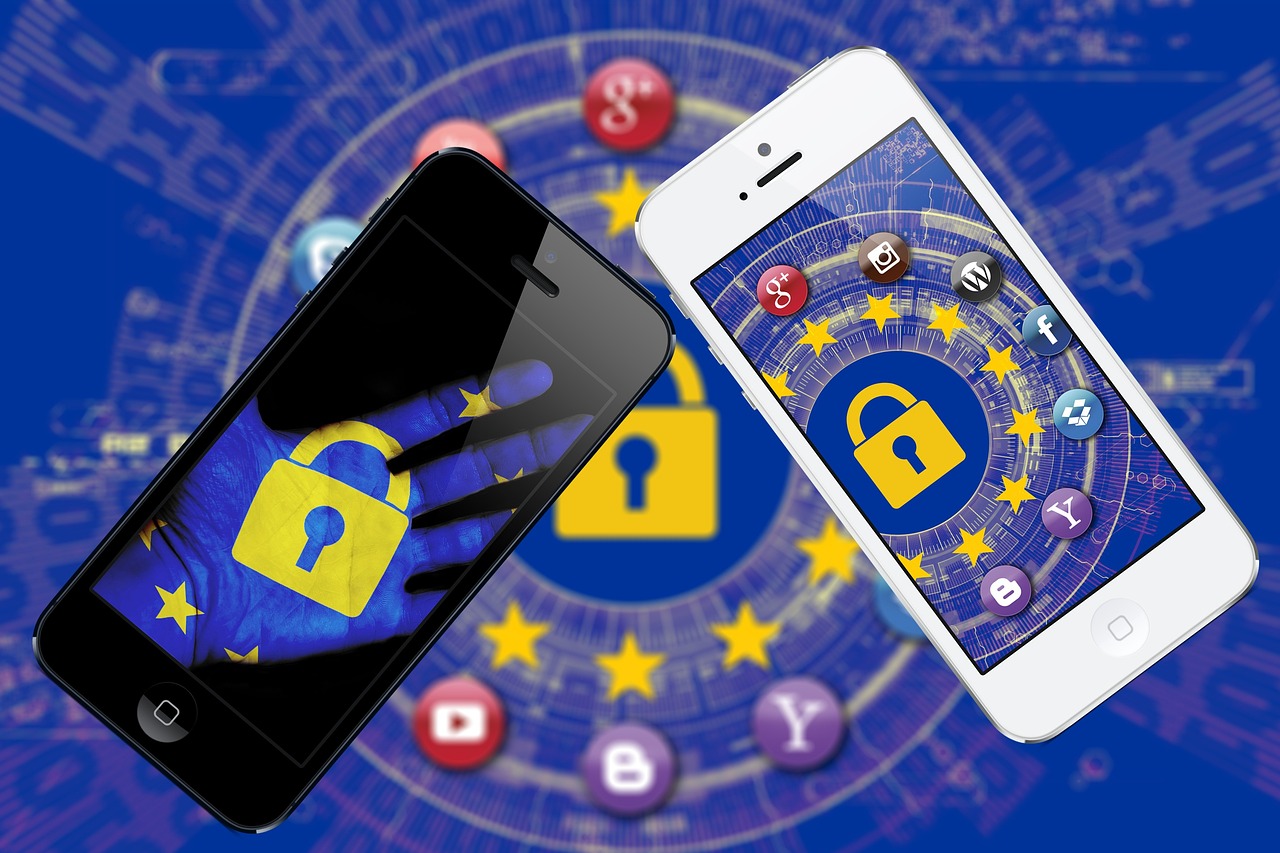

Protecting User Data During a Social Media Crisis
In recent years, social media crises have become increasingly common, leading to serious concerns regarding data protection. Companies must swiftly address public relations and operational aspects to mitigate fallout. However, the protection of user data remains an equally vital priority during such events. Striking a balance between transparency and confidentiality can strengthen consumer trust even in turbulent times. To achieve this, businesses need robust crisis management strategies focused on data handling. This includes understanding legal obligations, implementing security protocols, and maintaining open communication with users. It is essential to ensure that data protection isn’t merely an afterthought but rather a fundamental aspect of crisis response. Companies must remain vigilant, proactively monitoring their systems for vulnerabilities that could be exploited during a crisis. By anticipating challenges, they can formulate responses that prioritize user data safety without compromising the integrity of their communications with stakeholders. As organizations navigate these multifaceted challenges, acting decisively yet responsibly to protect user information will significantly contribute to their overall resilience and reputation recovery. Therefore, data protection planning and execution are crucial elements of any comprehensive crisis management strategy in today’s digital landscape.
The second fundamental aspect of data protection during a social media crisis is ensuring transparent communication with users. When users feel that their information is at risk, transparency from organizations can help alleviate fears and concerns. Companies should be prepared to communicate what is known about the crisis, the steps being taken to protect data, and what users can do to safeguard their information. This proactive communication contributes to user trust and loyalty, which is indispensable for businesses in the digital era. Effective communication tactics can include public statements, social media updates, and dedicated web pages with FAQs. It’s also vital that this information is easily accessible and understandable for all users. Additionally, empowering users through education on identifying potential scams or phishing attempts can further bolster their sense of security. Organizations may also consider implementing user-friendly tools and resources that allow users to monitor their data and recover from the crisis. This approach not only promotes user confidence but also showcases a commitment to data integrity. Ultimately, open and honest communication lays the groundwork for establishing and maintaining a strong relationship with audiences amidst challenges.
Assessing Risks and Vulnerabilities
Assessing risks and vulnerabilities associated with user data during a crisis is crucial for implementing effective data protection measures. Organizations must perform a comprehensive evaluation of their current systems and controls to identify potential weaknesses that could be exploited during a crisis. Conducting risk assessments will help organizations prioritize issues and allocate resources effectively to reinforce security efforts. One strategy involves creating a task force responsible for crisis management and data protection evaluations. This team can focus on conducting regular audits of existing data handling processes, identifying insufficient security measures, and recommending improvements. It is also essential to stay informed of any new legal regulations surrounding data protection that may arise from evolving societal norms, especially during crises. Regular training for employees on data security best practices and awareness of the latest cyber threats can enhance organizational readiness. Understanding the specific contexts in which vulnerabilities may surface allows businesses to fortify defenses. By being proactive in maintaining data security, organizations are better equipped to respond swiftly to challenges while minimizing harm to users and their sensitive information.
The technical infrastructure that supports data protection during a social media crisis is integral to managing user information securely. Companies must rely on sophisticated technology solutions that ensure data encryption, secure data storage, and effective monitoring capabilities. Implementing advanced security systems can prevent unauthorized access to user data, reducing the likelihood of breaches. Strong authentication processes such as multi-factor authentication can add an additional layer of security for both employees and users. During a crisis, it’s crucial that these systems are not only functional but also continuously monitored for suspicious activity. Companies should also consider employing external cybersecurity experts to evaluate their systems, identify vulnerabilities, and address them promptly before they can be exploited. Additionally, automated response mechanisms can speed up the incident response process, ensuring that user data is protected in real-time. Labeling data according to sensitivity levels allows organizations to apply different security protocols where relevant. By investing in reliable technologies and adapting their existing infrastructure, companies can ensure that user data remains uncompromised amidst the chaos of a social media crisis.
User Empowerment and Resources
User empowerment and access to resources play a pivotal role in data protection during social media crises. Organizations that equip their customers with the tools and knowledge necessary to protect their data can foster a sense of security and resilience. This can entail providing comprehensive resources, guidelines, and practical tips on how users can safeguard their information both during and after a crisis. Offering online workshops, webinars, or informative articles can help users understand the best practices for protecting personal data. Additionally, organizations can create user-friendly interfaces that allow individuals to manage and monitor their information easily. By providing users with clear options for data control, they can make informed decisions regarding their privacy preferences. Transparency in how their data is used and shared also contributes significantly to user confidence. Organizations should design outreach programs that emphasize the importance of data protection in today’s digital era. This collaborative approach invites users to participate actively in safeguarding their data while allowing organizations to retain valuable customer relations. Consequently, fostering a culture of data awareness helps ensure both parties are working toward the common goal of a secure digital environment.
Finally, post-crisis recovery is a crucial period for reinforcing user data protection strategies. Following the resolution of a social media crisis, organizations should focus on evaluating their response and identifying learnings. Assessing their crisis management performance, especially regarding data protection measures, helps uncover shortcomings or areas for improvement. This evaluation can lead to the refinement of policies, communication strategies, and security technologies that were initially deployed during the crisis. Once areas for improvement are identified, organizations can design targeted training sessions to equip employees with the necessary skills to handle similar situations in the future. Sharing learnings with customers also plays a significant role in restoring trust; organizations can express how they plan to fortify security measures and enhance transparency moving forward. By keeping users informed about changes and improvements, businesses demonstrate their commitment to protecting user data. Additionally, incorporating user feedback into future policies can offer valuable insights and strengthen relationships. Ultimately, treating the aftermath of a crisis as an opportunity for growth leads to more resilient organizations and empowered users who feel secure in their online experiences.
Conclusion
In conclusion, protecting user data during a social media crisis demands comprehensive strategies and unwavering commitment. Organizations must prioritize transparency, communication, and technology to manage crises effectively while safeguarding user information. Conducting thorough risk assessments is essential for understanding vulnerabilities that may be exploited when crises occur. Empowering users through education and resources further solidifies trust and cooperation during turbulent times. With large amounts of data exchanged daily on social media, businesses cannot afford to overlook this aspect of crisis management. Instead, fostering a culture of proactive data protection enables organizations to not only anticipate challenges better but also respond with agility. By implementing post-crisis evaluations, maintaining open communication with users, and continuously refining security measures, businesses can enhance resilience against potential threats. A well-prepared response plan can mitigate damage and ensure smoother recovery phases. Ultimately, the future of social media and data protection hinges on organizations’ ability to adapt and innovate their strategies. As the digital landscape evolves, so must the approach to safeguarding user data, enabling both parties to thrive in a secure and interconnected world.
This article highlights the critical importance of data protection in the event of crises faced by social media platforms. Focusing on user data during crises will allow organizations to not only thrive in difficult times but also to build consumer trust that is invaluable for their long-term success. The right strategies and proactive measures can help businesses navigate the complex challenges posed by social media crises effectively without jeopardizing user privacy. By developing comprehensive data protection frameworks, businesses can overcome adversity while bolstering their reputation and fostering consumer loyalty. Staying vigilant and adaptable to current trends has become essential in this constantly evolving digital space.