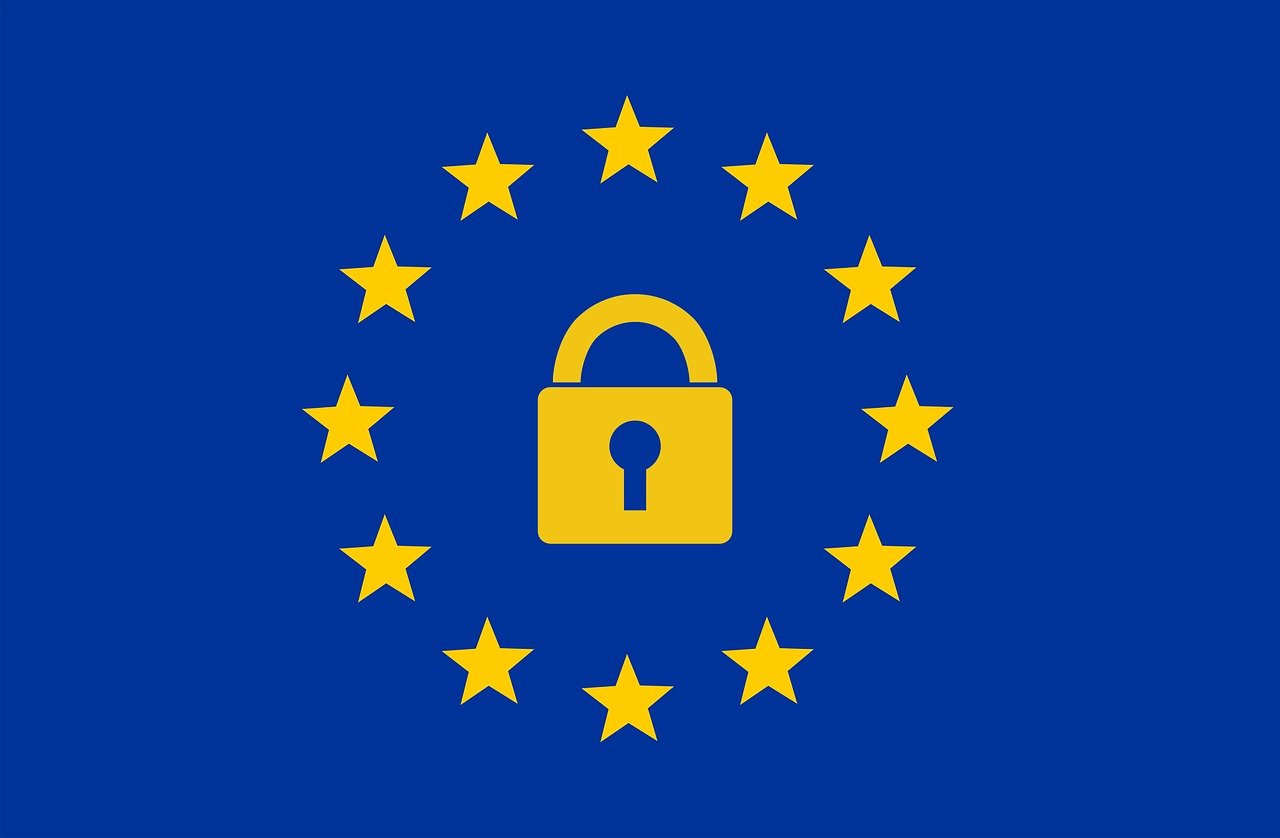

The Impact of Data Privacy Regulations on Social CRM
Data privacy regulations have gained urgency as social media reliance has surged. Organizations now handle vast amounts of personal data, leading to impressive customer engagement through Social Customer Relationship Management (Social CRM). However, these beneficial interactions expose companies to significant legal obligations. Regulations like the General Data Protection Regulation (GDPR) and the California Consumer Privacy Act (CCPA) impose strict compliance requirements, thereby altering the landscape for businesses. Companies need to embed privacy controls into their data-handling processes, ensuring they have explicit consent for data usage. Subsequently, they must develop transparent policies and practice integrity in consumer interactions. Therefore, complying with these regulations is essential to foster trust in the online environment. As a result, organizations must invest in understanding these legal mandates, thus turning compliance into a strategic advantage. This shift may seem burdensome, but it actually transforms the approach towards customer data management. Businesses can build stronger relationships as they emphasize respect for consumer privacy. Compliance also paves the way for innovative data strategies that leverage privacy as a competitive differentiator.
The introduction of stringent data privacy regulations compels organizations to assess their Social CRM systems critically. Organizations must render their practices compliant without hindering customer experience and engagement. Balancing compliance means aligning internal processes with customer preferences. One approach is to implement dual opt-in methods for data collection, which fortify consumer consent while enhancing their engagement with the brand. By adopting a respectful data usage philosophy, brands can effectively enhance loyalty. Additionally, businesses are obliged to accommodate consumer rights, such as data access and deletion requests. This increased transparency in data handling fosters a culture of trust, which is enormously beneficial. The recommendations from governing bodies must be reflected in Social CRM strategies and protocols. Advanced technologies like artificial intelligence can aid in identifying potential compliance issues before they escalate. Thus, maintaining compliance not only protects the brand from legal ramifications but also positions the company as a responsible entity in the eyes of consumers. Brand perception improves, thereby enhancing market presence and fostering a loyal consumer base that appreciates responsible data practices in an age of growing privacy concerns.
Accommodating compliance with data privacy regulations has led to the emergence of tools and technologies specifically designed for Social CRM. These tools help automate processes and ensure adherence to legal frameworks. Organizations are increasingly utilizing privacy management software that integrates with existing Social CRM systems to streamline document requests and data management practices. Such systems enable seamless tracking of user consent and make it easier to execute deletion requests when necessary. Furthermore, educating employees on the implications of these regulations is pivotal. Employees must fully understand their role in safeguarding consumer data. Regular training sessions can help in embedding compliance into the corporate culture. In addition, organizations must frontload privacy considerations in their product development processes. When implementing new features, they should conduct Privacy Impact Assessments (PIA) to identify potential challenges upfront. Failure to consider privacy can lead to costly errors and reputational damage. Ultimately, integrating compliance-focused tools within Social CRM enhances operational resilience. This proactive stance fosters customer trust and ensures smoother navigation through complex regulatory landscapes, allowing brands to thrive in increasingly competitive environments.
Challenges of Compliance
While data privacy regulations are crucial, navigating the compliance landscape presents significant challenges for organizations with Social CRM. The complexity of different regulations can overwhelm businesses, particularly those operating across multiple jurisdictions. Each region has its own legal nuances and expectations, making unified compliance particularly difficult. Furthermore, inconsistent data privacy enforcement across regions can add unpredictability to business operations. Organizations must, therefore, stay abreast of the evolution of these regulations and enhance their adaptively. Non-compliance can result in hefty fines and damage the brand’s reputation, which reiterates the importance of robust compliance strategies. Additionally, maintaining continuous communication with customers is vital. Organizations can reassure customers about the safety of their personal data, enhancing the overall business approach to social interactions. Transparency has become a cornerstone of customer engagement, driving the requirement for brands to openly address how data is collected, stored, and utilized. Successfully navigating these challenges not only ensures compliance but must also achieve a balance between leveraging consumer data for growth while respecting privacy, establishing an effective Social CRM strategy.
The role of consent management in Social CRM cannot be overstated, particularly in the context of data privacy regulations. Organizations must implement clear and concise consent management flows to ensure customers understand their choices. This not only facilitates compliance but allows businesses to engage meaningfully with customers. Effective consent management enables organizations to collect data ethically by ensuring that consumer preferences dictate interactions. Utilizing tools like preference centers can empower users to select their data-sharing preferencesing, leading to a heightened sense of consumer engagement. Whenever customers can control their data journeys, they may develop a stronger connection to the brand and feel valued. This empowerment is crucial in creating high levels of consumer satisfaction. Additionally, managing consent can significantly impact marketing tactics, making it essential to respect customer wishes. Establishing strong relationships with consumers fosters trust and creates a positive brand perception. Organizations that embrace transparent communication regarding consent and ensure users can update their preferences whenever necessary can innovate more effectively within their marketing campaigns. All these efforts are aimed at creating a positive customer experience while adhering to the strictest data privacy regulations.
Metrics and analytics play a vital role in gauging the effectiveness of Social CRM compliance. Organizations need to assess how well they are managing consumer data while meeting regulatory requirements. Key performance indicators (KPIs) can be established to track compliance success and overall effectiveness. This may include monitoring the percentage of opt-ins, analyzing customer feedback on privacy measures, and tracking the resolution time of data requests. Such analytics ensure businesses operate transparently, demonstrating their commitment to data privacy. Furthermore, organizations connecting data privacy impact to revenue performance can unveil insights on consumer behaviors. Insights will allow companies to generate more tailored interactions, fostering strong relationships while supporting compliance initiatives. Regular audits can also be instrumental in identifying areas of improvement within Social CRM strategies. Ultimately, leveraging data-driven insights encourages organizations to foster continuous enhancement of their privacy practices. Firms that understand how to evaluate their compliance measures will not only mitigate risks but can also create a more engaging customer experience. This proficient approach ensures that the balance between innovation and compliance enhances organizational efficiency.
Conclusion and Future Perspectives
As data privacy regulations continue evolving, their importance will only increase within Social CRM practices. Companies must not only comply but anticipate future privacy challenges and adapt accordingly. This may involve swiftly adjusting processes in response to newly introduced regulations, thereby ensuring long-term sustainability. Additionally, embracing emerging technologies is essential for collecting and processing data responsibly. Solutions such as blockchain, secure AI, and improved encryption can fortify data protection. Committed to prioritizing data privacy will resonate with consumers, ultimately guiding their purchasing decisions. Companies that lead with transparency and integrity will have a competitive edge in attracting privacy-conscious consumers. Social CRM is a vital part of consumer interaction strategies and can play a significant role in reshaping how companies manage relationships, combine privacy with a clear business strategy. As organizations evolve, prioritizing compliance with data regulations can serve as a valuable blueprint. Adopting proactive data strategies will aid in building resilience in an increasingly complex regulatory landscape. The future of Social CRM holds great promise, as brands fostering trust through responsible data practices will emerge as industry leaders.
The integration of comprehensive data privacy strategies within Social CRM not only complies with regulations but also enriches the overall customer experience. Organizations must continuously innovate their approaches to marketing while respecting privacy rights. Combining technology and human insight empowers brands to communicate more effectively, fostering fruitful relationships. As data privacy expectations shift rapidly, adapting processes to fulfill compliance measures is crucial for every organization. Fostering a culture of privacy and respect for customer rights transcends basic compliance, allowing brands to create meaningful connections. Ultimately, this creates a win-win environment where businesses thrive alongside their customers. Implementing simple yet effective strategies will ensure that they remain compliant while enhancing consumer trust. Organizations that prioritize transparent data management strategies cultivate loyalty over time, establishing themselves as trusted entities in their marketplace. Capturing the hearts and minds of consumers requires sustained efforts towards compliance paired with brand integrity. As such, developing a collaborative approach will allow brands to harmonize their Social CRM endeavors with evolving data privacy standards and consumer expectations. By actively prioritizing these practices, organizations will position themselves favorably in the ever-evolving market.