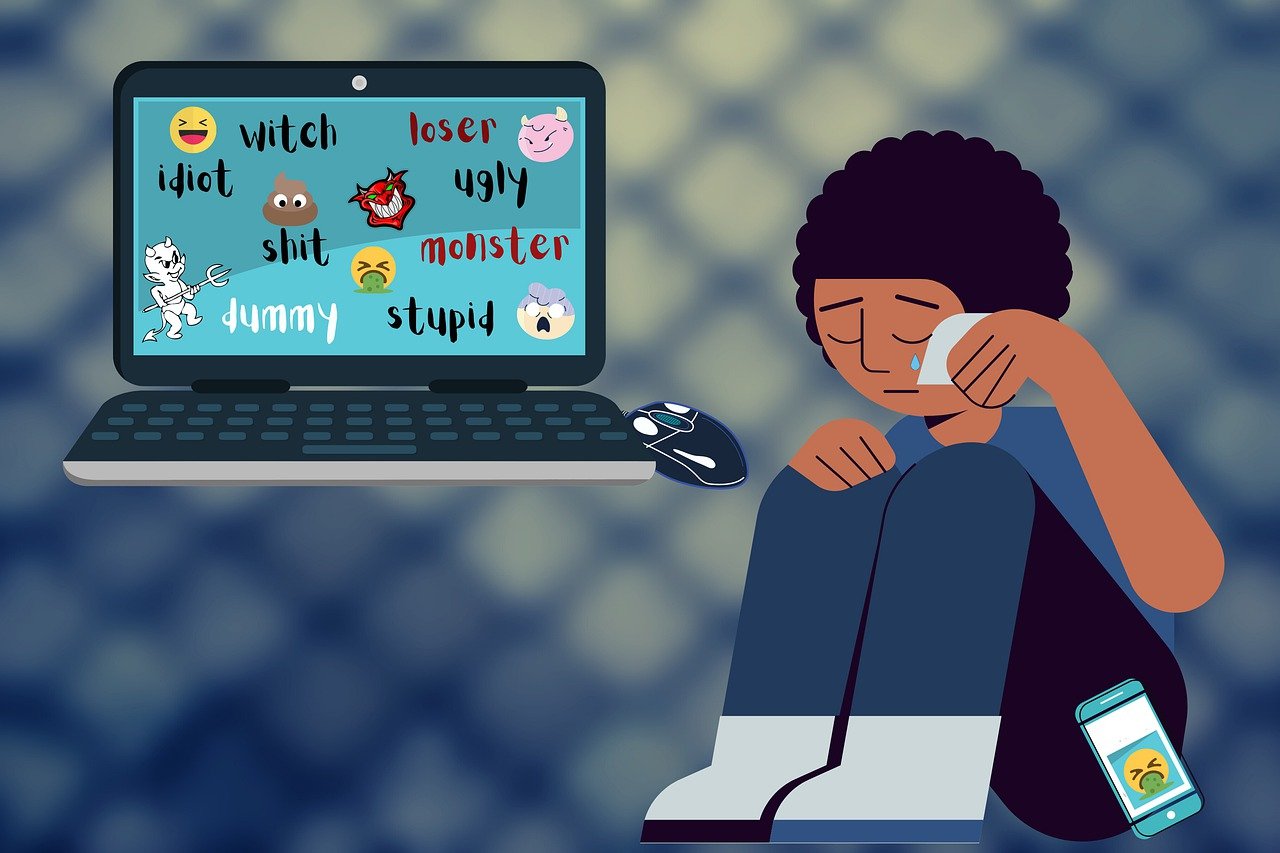

Understanding the Cycle of Cyberbullying: From Victim to Perpetrator
Cyberbullying has become a significant issue in today’s digital landscape, impacting countless individuals. This form of harassment often manifests as repeated aggressive behavior through technology, leading to severe emotional and psychological effects on victims. Numerous studies indicate that victims of cyberbullying can experience anxiety, depression, and decreased self-esteem. Often, these individuals feel isolated and powerless in their situations. Moreover, emotional scars from such experiences can last a lifetime, affecting victims well into adulthood. The internet’s anonymity allows aggressors to attack without facing immediate repercussions, which can embolden them. Victims frequently report feelings of helplessness as they navigate their online interactions. Due to the pervasive nature of social media, bullying can occur at any time, creating a climate of fear. Importantly, raising awareness about the cycle of cyberbullying is crucial in combating this issue. Understanding its dynamics provides a pathway for effective intervention. Schools, communities, and families need to collaborate in fostering environments that discourage harassment while encouraging empathy and support.
The cycle of cyberbullying reveals how the roles of victim and perpetrator can sometimes overlap. Individuals who initially experience bullying may eventually identify with the aggressor’s behavior, engaging in similar actions toward others. This shift often stems from frustration and unresolved issues faced by the victims. When they cannot cope with their situations, they may lash out, perpetuating the cycle. Therefore, understanding the psychological impacts of both roles is essential for prevention strategies. Mental health resources should not only support victims but also address the underlying issues that drive certain individuals to become bullies. Empathy education and conflict resolution techniques can empower potential victims to avoid reverting to bullying behavior. In addition, schools should create supportive platforms where students feel safe discussing their issues openly. This dialogue can help foster understanding, leading to a more compassionate environment. Community outreach and parental involvement are also vital in recognizing signs of distress in children. When individuals learn to empathize with others’ pain, they are less likely to contribute to the cycle. Ultimately, breaking this cycle requires collective effort and commitment from all involved parties.
Coping with cyberbullying is a multifaceted challenge that requires active participation from victims. To manage the emotional toll it takes, individuals must develop healthy coping strategies. Support from friends and family can serve as a lifeline, offering emotional reassurance and guidance. Engaging in open communication with trusted individuals can help victims process their feelings. In addition, seeking professional help may significantly enhance coping mechanisms. Therapists can provide techniques to manage anxiety and improve self-esteem, which can be severely affected by cyberbullying. Furthermore, consistent engagement in positive activities such as sports, art, or hobbies can help shift focus away from the negativity associated with online harassment. Creating a personal safety plan, including blocking bullies or reporting incidents to platforms, can empower victims to reclaim their online space. Awareness of legal options is also vital, as some forms of cyberbullying can be pursued legally. These preventive measures can be beneficial for self-protection. Overall, personal empowerment plays a crucial role in mitigating the impact of cyberbullying on individuals’ lives.
Parental and Community Responsibilities
Parents and communities have a crucial responsibility in addressing cyberbullying. Parental involvement is essential in monitoring children’s online activities. Engaging in conversations about appropriate online behavior and encouraging children to share their online experiences can lead to early detection of potential issues. Parents should be educated about the signs of cyberbullying, including changes in behavior or increased secrecy. Equipping parents with tools and resources to address these situations empowers them to act effectively. Communities can support educational programs that teach students about respect and empathy in digital interactions. Schools can develop training modules to educate teachers, staff, and students about the dangers associated with cyberbullying. Creating a culture of awareness ensures that all parties recognize the severity of the issue. Collaboration between parents, schools, and community organizations can yield comprehensive programs aimed at prevention and intervention. Initiatives like workshops and seminars can enhance understanding of cyberbullying dynamics. Building a network that connects families and educational institutions fosters an environment where everyone feels responsible for addressing bullying. Together, they can create strong support systems for affected individuals.
Additionally, technology companies play an essential role in mitigating cyberbullying through enhanced features and reporting mechanisms. Platforms must prioritize user safety by implementing stricter policies against abusive behavior. Developing tools that enable users to report incidents easily can facilitate quicker responses. Regularly updating community guidelines to reflect the changing landscape of online interactions is essential. Companies should invest in education initiatives about cyberbullying, demonstrating their commitment to user safety. Transparency about how they handle bullying reports can also rebuild trust with their user base. Furthermore, leveraging artificial intelligence to detect harmful behaviors can minimize victimization. By promoting positive online behavior through campaigns and community involvement, technology companies can contribute to reducing the incidence of cyberbullying. Collaborative efforts with schools and organizations to disseminate educational content can further empower users against harassment. Establishing a network of partners dedicated to fighting cyberbullying can bolster these initiatives. Ultimately, a multi-faceted approach that combines community efforts, parental engagement, and corporate responsibility is necessary for effectively combating cyberbullying.
Preventive Measures and Awareness
To effectively address cyberbullying, promoting preventive measures is essential. Prevention education should begin at an early age, teaching children about the importance of compassion and respect in their online interactions. Engaging students in activities that foster empathy for others can lead to significant cultural shifts in schools. Additionally, developing peer support systems encourages students to take care of one another. Encouraging bystanders to report bullying incidents is crucial for collecting data and addressing the behavior. Providing safe spaces for students away from digital interactions allows them to express their feelings openly without fear of judgment. Programs that promote digital citizenship can guide students to use technology responsibly, ensuring they understand the consequences of harmful actions. Furthermore, integrating technology education, such as coding workshops, can empower students to create a positive online presence. Consistent discussions surrounding the ethics of online behavior keep the topic relevant. Schools and parents must collaborate on standardized guidelines that promote a safe online environment. Ultimately, awareness campaigns that celebrate positive interactions can shift the narrative towards a more inclusive and supportive digital world.
In conclusion, cyberbullying is a pervasive issue that requires concerted efforts from individuals, families, schools, and communities. Understanding the dynamics of victimization and perpetration is critical for creating effective prevention strategies. Fostering open dialogue around mental health and emotional well-being can enhance coping mechanisms and encourage victims to seek help. Equally important is recognizing the signs that may indicate a child is victimized, thereby guiding timely intervention. Integrating resources to support mental health while promoting awareness about the responsibilities of technology companies can establish a more comprehensive approach. As society progresses, developing a culture of kindness and acceptance online is vital. Awareness, compassion, and proactive measures are essential in breaking the cycle of cyberbullying. By creating supportive networks and educational programs, we can empower individuals to stand against harassment. Digital empathy must be cultivated to ensure that future generations learn to navigate the complexities of online interactions responsibly. Commitment to these values will result in a safer and more vibrant online community for all individuals.
Final Thoughts on Cyberbullying
Moving forward, various stakeholders must remain vigilant in the fight against cyberbullying. This ongoing battle calls for continuous adaptation to digital culture as bullying tactics evolve. Regular feedback from victims can provide insights that inform policies and intervention strategies. Encouraging educational frameworks that evolve with changing technologies is crucial. Engaging students in shaping solutions can lead to innovative approaches tailored to their needs. Feedback loops originating from lived experiences can provide a sense of agency. Additionally, sharing stories of triumph over cyberbullying can empower others facing similar challenges. These narratives can inspire solidarity and demonstrate that escape from bullying is possible. Schools and communities should create platforms for sharing experiences, fostering resilience among students. In the long run, a collective commitment to understanding, prevention, and support can cultivate an environment where kindness thrives. Future discussions should focus on integrating diverse perspectives on bullying, enhancing awareness campaigns to include various demographics, thereby creating inclusivity. By engaging through dialogue, we can build a resilient society ready to stand against cyberbullying.