
How to Light Social Videos with Multiple Subjects
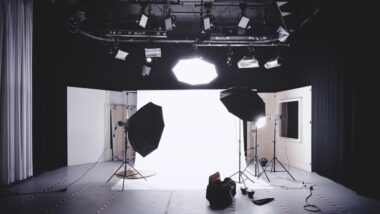
Lighting is a crucial element in creating visually appealing social video content, especially when you have multiple subjects in the frame. Proper lighting can elevate the overall production quality and engage viewers. To achieve effective lighting, start by evaluating the location and available natural light. If filming indoors, consider the time of day when you have the most light coming through windows or skylights. However, this method isn’t always reliable, and supplemental lighting may be necessary. A three-point lighting setup is recommended to properly illuminate multiple subjects. This setup includes a key light, fill light, and backlight, which work together to create dimension and depth. The key light is the primary source and should be placed at a 45-degree angle from your subjects. The fill light softens shadows cast by the key light and is usually positioned opposite. Finally, the backlight separates the subjects from the background, adding a polished touch. Adjusting the intensity and distance of each light can greatly impact the final visual quality. Experimenting with different setups can help you find what works best for your content.
In addition to a three-point lighting setup, consider the color temperature of your lights when filming social videos. Different light sources produce varying color temperatures, measured in Kelvin, which affects how colors appear on camera. For instance, daylight-balanced lights typically range from 5000K to 6500K, offering a natural appearance. Incandescent bulbs have a warmer color temperature of around 2700K, which can create cozy and inviting feelings. For a harmonious look, ensure that all your lights share a similar color temperature to avoid color balance issues. Utilizing softboxes or diffusers can also help create softer light, reducing harsh shadows and stark contrasts, which can be particularly distracting when subjects are present. If you want to achieve a creative look, gels can be used on lights to introduce color, which adds flair to your background or subjects. The use of practical lighting sources, such as lamps or fairy lights, further enhances ambiance. Properly managing these elements leads to an inviting atmosphere that keeps viewers interested. Be sure to conduct test shoots to see how these lighting adjustments affect your final product, enabling you to refine your approach accordingly.
Lighting Techniques for Diverse Settings
Understanding the various lighting techniques specific to different environments is essential in maximizing your social video content’s visual appeal. For outdoor shooting, natural light presents unique opportunities and challenges, especially when working with multiple subjects. The golden hour, shortly after sunrise or before sunset, offers soft, flattering light that enhances skin tones and creates beautiful highlights and shadows. Conversely, midday sun can produce harsh shadows, which can diminish the quality of your video. If shooting outdoors during this time, seek shaded areas or consider using reflectors to bounce light back onto your subjects. Reflectors can help fill shadows without overpowering the natural light. When filming indoors, balance your artificial lights with available daylight. Use curtains or blinds to control the amount of light entering a space and create a balanced exposure across all subjects. Adjusting your camera settings, such as ISO, aperture, and shutter speed, in relation to the lighting condition will further enhance your video quality. Different techniques applied in various settings contribute to achieving a polished, professional look that captivates your audience.
When photographing multiple subjects, applying attention to each individual’s placement is vital. This aspect directly relates to how they receive light. It’s essential to ensure that each subject is evenly lit, as shadows can easily distract from their features and the action taking place. For groups, position them equidistant from the light sources, ensuring that no one subject is overshadowed or overly highlighted. Another useful technique is to create a dynamic range of positions. Having subjects at different heights or angles can add visual interest and ensure that everyone remains consistently visible. Additional fill lights can be added to maintain equality in lighting if necessary. Always check how the lighting affects your shot through the camera lens rather than relying solely on what you see with the naked eye to achieve accuracy. Tools like light meters can assist in determining exposure levels for each subject’s face. Remember that the inclusion of various backdrops or props can also impact the light, reflecting colors and altering how subjects are perceived on camera. Pay attention to these nuances for optimal lighting results.
Utilizing Light Modifiers for Superior Quality
Light modifiers are invaluable tools that enhance the quality and characteristics of light in your social videos. Softboxes, as mentioned earlier, allow for softer light diffusion while minimizing harsh shadows. Conversely, umbrellas can provide a versatile smoothing effect for close-up shots with multiple subjects. These modifiers help distribute light evenly across the frame, producing professional-quality results. Additionally, barndoors and grids can help control the direction and spread of light. This is particularly beneficial when you want to spotlight specific subjects in a group setting. Using colored gels on your modifiers can introduce creative elements, enhancing moods or themes that align with your video content. Experimentation with positioning and angles is key; don’t hesitate to move the lights around to see how they impact the aesthetics of your shot. Always test your setups before the main shoot. This approach can prevent unwanted surprises during filming. The goal is to create a fluid visual experience for the audience, meaning every subject should feel well-integrated and part of the scene composition. Cobbling together these techniques helps create a captivating watch that keeps viewers engaged.
Post-production can further enhance the lighting quality of your social videos. Correcting exposure, adjusting brightness, and refining contrast can portray your subjects better. Color grading also plays a significant role in fostering consistency across various scenes, especially when switching angles or backgrounds. Uneven lighting can disrupt the visual narrative, so taking the time to enhance these qualities can ensure a polished final product. Consider color correction tools available in video editing software, as they will allow you to adjust each subject’s hue, saturation, and luminance to achieve the desired look. This flexibility empowers creators to fix issues that may have been overlooked during filming. Ideally, every subject should be cohesive in color value across the entire video. When applying these adjustments, consideration of the message you want to convey is important—do you want an approachable warmth, a cold, dramatic tone, or something in between? Each decision alters how your audience perceives your video, so be at the forefront of this choice. Availability of advanced editing tools means any flaws can be mended quickly, but a proactive approach in lighting setups provides an advantage.
Final Thoughts on Effective Lighting
In conclusion, lighting plays an integral role in creating breathtaking social video content with multiple subjects. Exploring different types of lights, their placements, and modifying them can yield impressive results that enhance your overall production quality. Understanding the techniques and tools at your disposal will undoubtedly lead to improved outcomes. Factors such as color temperature and lighting composition should be consciously considered to create a compelling ambiance. The best practice is to experiment with various setups during the pre-production stage and adjust based on the subjects’ interactions and the context of the video. Watching your lighting in action while filming is crucial; checking how it looks on the monitor can help avoid surprises during the editing phase. All in all, effective lighting can dramatically impact viewer engagement. Crafting an intriguing story requires meticulous planning, so utilize these tips consistently to build your social video content. By focusing on proper lighting techniques, you elevate your work, ensuring that it resonates with the audience and stands out on social media platforms. Keep these concepts in mind for your next shoot to create impressive videos with multiple subjects.
Finally, the importance of sound must not be overlooked. Lighting and audio quality are complementary aspects that fundamentally influence viewers’ perception of your content. Consider how ambient sounds, dialogue, and music help shape storytelling alongside visual elements. Invest in quality microphones and recorders, as poor audio quality can detract from all the hard work put into lighting and capturing video. Additionally, adjusting lighting for specific scenes can create the right emotional atmosphere that enhances sound effects. Just as lighting can set a mood, so can audio, from uplifting music cues to dramatic sound effects heightening tension. Always ensure clarity in dialogue and avoid overwhelming the viewer with distractions. Synchronizing both audio and visual elements leads to a successful production. Good lighting will enhance looking at your videos while quality sound will engage the spirit behind the visuals. Your audience will appreciate the professional attention given to these two aspects. By focusing equally on light and sound, you’re well on your way to mastering content creation in social video formats that resonate, engage, and inspire your followers.