
How to Identify the Right Partners for Your Personal Brand
Establishing a solid personal brand necessitates the identification of the right partners. First, consider aligning with individuals or entities that share your values and vision. These collaborations often flourish when mutual goals are present, fostering a more cohesive partnership. To assess potential partners effectively, analyze their reputation and audience engagement. A partner’s credibility can significantly influence your brand’s image. Research their previous collaborations to determine consistency in their messaging and ethical practices. Next, define what type of partnership you aspire to achieve. Are you looking for sponsorships, co-branding initiatives, or content collaborations? Each form of partnership serves different purposes and requires distinct criteria for selection. Use social media platforms to connect with potential partners organically. Engage with their content to establish a rapport before approaching them for collaboration. This not only demonstrates your interest but also helps you gauge compatibility. Additionally, initiate open communication to discuss collaboration expectations and terms. Always ensure that both parties’ goals align for maximum effectiveness in partnership outcomes. By taking these steps, you can secure valuable partners that amplify your personal brand’s reach effectively.
Once you understand what defines a suitable partner, you must set clear criteria for selection. Look for partners whose audience demographic mirrors your own, as it makes your collaboration more appealing to both parties. Consider leveraging tools like social media analytics to understand where your audiences intersect. This step helps in refining your target partnerships, ensuring stakeholder alignment based on mutual understanding. Furthermore, examine the partner’s digital presence. A robust website and social media offer insights into how they engage their followers, shaping your perception of their brand authenticity. Look for signs of community involvement and value creation, as meaningful connections can elevate both brands. Don’t hesitate to seek feedback from your network when vetting potential partners. Collaborators who have worked closely with your choice can provide invaluable insights that might not be readily apparent. Their input may help highlight potential disadvantages such as inefficiencies or misalignment. After gathering necessary information, compile a shortlist of promising candidates. Prioritize partners who demonstrate eagerness for collaboration while adhering to ethical standards and values. This systematic approach ensures you have strong, beneficial partnerships.
The Importance of Cultural Compatibility
Understanding cultural fit is equally crucial in identifying partners for your personal brand. Collaborating with individuals or organizations that align with your cultural vision ensures seamless partnerships. Cultural compatibility means shared values, belief systems, and social norms which enables smooth communication and collaboration. When these aspects align, both parties can work harmoniously towards common objectives, enhancing partnership outcomes. Assess prospective partners by analyzing their content themes, tone, and audience interactions. If a potential partner’s messaging conflicts with your brand’s identity, it could lead to miscommunication and tarnish your credibility. Therefore, it’s essential to evaluate their public persona holistically. Look into their engagement patterns and audience demographics. Leveraging social media insights can guide you to suitable candidates, allowing for effective cross-promotional opportunities. Furthermore, host informal discussions or brainstorming sessions with potential partners to assess mutual understanding and compatibility. Remember, the feel of a collaboration often weighs more heavily than the perceived advantages. To create a powerful partnership, ensure both parties walk away feeling valued and heard. That balance fosters long-term associations that can benefit your brand significantly.
After determining cultural compatibility and identifying candidates, clearly define your collaboration goals. Identify what you aim to achieve through partnering, whether it’s expanding your reach, generating content, or sharing resources. Setting specific objectives will guide productive conversations and drive your collaborative efforts. Share these goals with potential partners to ensure everyone is on the same wavelength from the outset. Openly discussing expectations also adds transparency, instilling trust for future interactions. In addition, outline the roles and responsibilities for each party involved. This clarity can mitigate misunderstandings and streamline the collaborative process. Utilize project management tools to track progress and ensure accountability on both ends. Periodically check in with your partner to assess how well you’re achieving established goals. These updates are opportunities to adjust strategies if necessary to maintain positive momentum. Additionally, maintain flexibility in your plans. The dynamic nature of partnerships means that unforeseen challenges may arise, requiring adaptability. By fostering an open dialogue and allowing room for modifications, you empower both you and your partner to create successful outcomes for everyone involved.
Evaluating Potential Outcomes
Evaluating potential outcomes is vital to ensure the partnership serves your personal branding effectively. Always gauge whether collaboration outcomes bolster your brand image. Establish specific metrics or key performance indicators (KPIs) that align with shared expectations. Common metrics include increased engagement rates, social media followers, or testimonial feedback. Transitioning from qualitative to quantitative can be invaluable in measuring the partnership’s impacts. They help both parties understand what’s working and where adjustments might be necessary. Furthermore, be proactive in seeking feedback from your partner. Their insights can reveal different perspectives on the collaboration’s success and may highlight novel opportunities for growth. Conduct periodic assessments involving both partners to review results collectively. Discuss what worked, what didn’t, and how future collaborations might be approached differently. Additionally, celebrate achievements together. Recognizing successful outcomes can boost morale and solidify your partnership for future endeavors. Remember, not all partnerships deliver tangible results. It’s equally critical to reflect on the collaborative experience and the growth it might catalyze for your personal brand.
Throughout the collaboration, maintain a consistent brand message across all platforms. Ensure that both you and your partner represent your shared objectives accurately to avoid confusion among audiences. Clear communication fosters trust and loyalty, two cornerstone elements of personal branding. Moreover, leverage every opportunity to promote your partner’s contributions during the collaboration. Share behind-the-scenes content, joint webinars, or co-authored articles showcasing the partnership’s essence. This not only highlights the value of the collaboration but also enriches your audience’s experience. Encourage cross-promotion where you promote your partner’s brand and vice-versa, expanding the reach of both parties. By actively engaging both audiences, you create a distinctive association that strengthens brand identity. Also, post-collaboration, analyze the impact on your personal brand to assess any shifts in your perception. Reflecting on audience feedback and engagement levels can guide your future collaborations. Continually refine your approach based on these analytical insights to achieve success in subsequent partnerships, ultimately propelling your personal brand forward.
Conclusion: Building Lasting Partnerships
In conclusion, building lasting partnerships is integral to the growth of your personal brand. Identifying the right partners takes careful consideration and effort. Embrace thorough research, cultural compatibility assessments, clear communication, and evaluation of outcomes. Prioritize collaborations with individuals and organizations that resonate with your brand ethos. This alignment fosters authentic relationships that echo through your professional journey. Also, remember the significance of maintaining flexibility within partnerships. Adapting to evolving dynamics can strengthen your collaborations. Each experience within your network can enhance your brand’s value. Furthermore, regularly revisit partnership practices to optimize their effectiveness. Personal branding is an ongoing process, and reciprocal growth between partners enhances this journey. Seek long-term connections rather than pursuing one-off collaborations, establishing reputations based on trust and reliability. Lastly, celebrate successes both individually and collaboratively. Recognizing milestones builds camaraderie and reinforces the importance of mutual support. Through intentional strategies and committed efforts, identifying the right partners will lead to impactful collaborations. Improve and refine your approach, empowering you to leave a lasting impression in your professional domain.
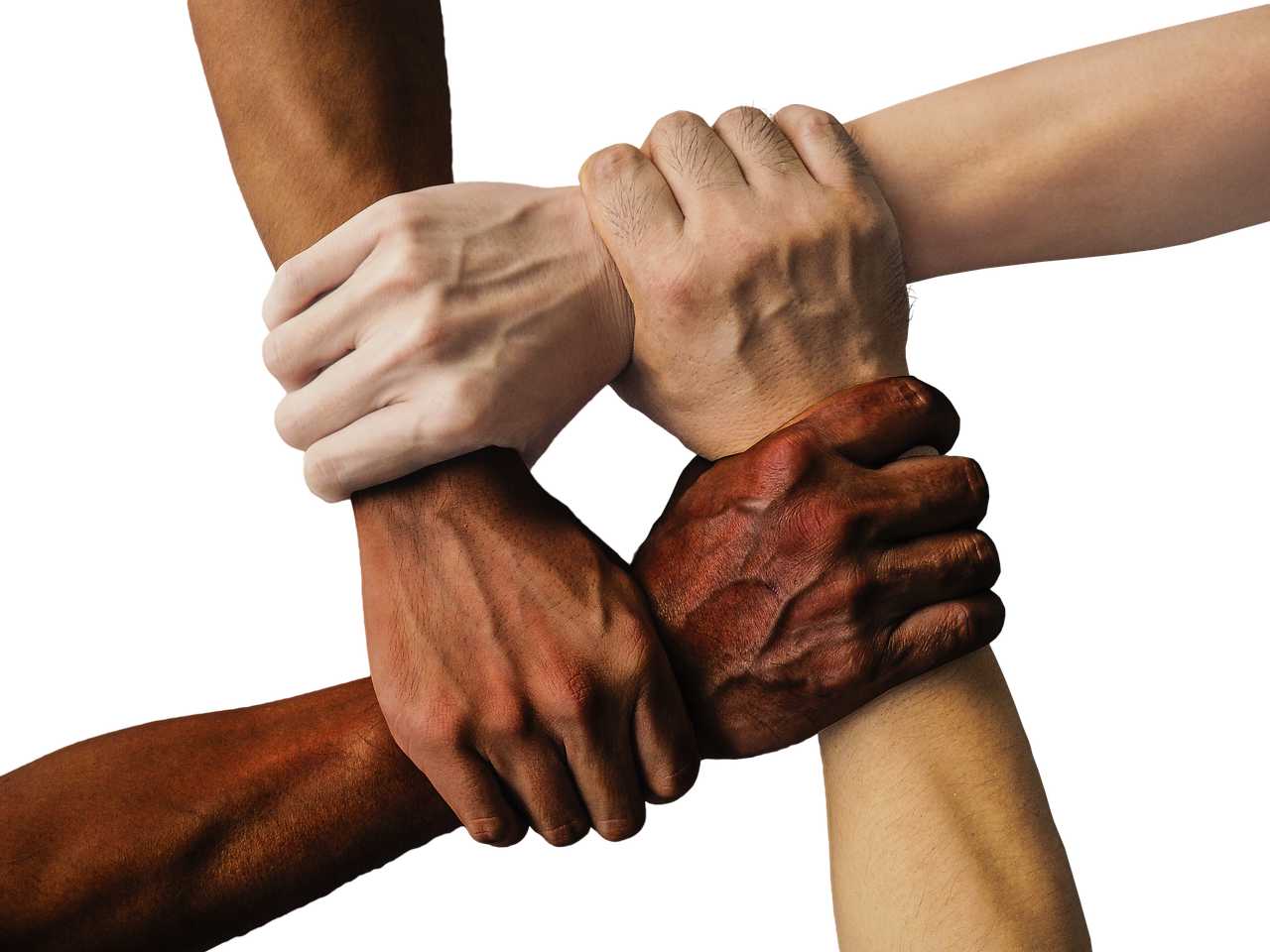
The image representing this article should reflect the theme of collaborations in personal branding, showcasing the essence of partnerships.