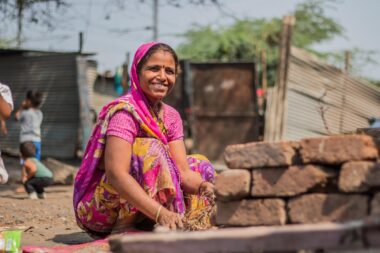

Urban and Rural Followers: Demographic Patterns and Preferences
The distinction between urban and rural followers shapes the landscape of social media engagement significantly. Urban followers are often characterized by a higher level of education, as they typically have access to more educational institutions and opportunities. This demographic tends to exhibit greater diversity regarding ethnicity and culture, reflecting the cosmopolitan nature of city life. Additionally, urban followers usually have access to better internet infrastructure, allowing them to engage more readily with content across various platforms. In contrast, rural followers may engage differently due to limited access to their technology. Their preferences might lean towards local content, emphasizing community-driven posts over global trends. Understanding these dynamics is essential for crafting targeted marketing strategies that resonate with respective demographics. Brands need to tailor their content to reflect the unique preferences and experiences of both urban and rural groups. This could include localized promotions for rural audiences while focusing on broader, more diverse topics that attract urban followers. Ultimately, recognizing these demographic trends enables organizations to create more effective outreach and connection experiences.
The lifestyle differences between urban and rural followers significantly influence their preferences and interactions online. Urban followers often lead fast-paced lives filled with numerous influences that shape their choices. This demographic typically shows a preference for quick, visually appealing content that fits their busy schedules. Statistics reveal that videos, especially short-form, perform better among urban audiences. In contrast, rural followers may prefer in-depth articles or content that aligns with their slower-paced, more community-oriented lifestyles. They often appreciate storytelling that provides a sense of connection to their roots and shared experiences. This disconnect can lead to varying engagement rates depending on content styles. Marketers aiming at urban audiences may harness trends in fashion, technology, and modern art, while those targeting rural followers might focus on topics such as agriculture, sustainable living, or local community events. Furthermore, social issues resonate differently; for urban followers, diversity and inclusion might be key, while rural followers may prioritize concerns affecting their local environments, such as farming and local governance. Recognizing these lifestyle factors is essential in developing effective social media strategies.
Social Media Engagement Patterns
Engagement patterns on social media platforms greatly differ between urban and rural followers. Research highlights that urban followers tend to use multiple platforms, exploring different forms of content such as Instagram for visuals and Twitter for quick updates. They also show a higher tendency to engage with influencers and brands through paid partnerships, which leads to effective conversions. Comparatively, rural followers may primarily favor Facebook, as it facilitates community interaction and helps nurture local connections. Posts that promote local events or community initiatives usually garner significant engagement among rural users. This indicates that understanding these specific engagement patterns is vital for marketers. Content aimed at urban audiences might benefit from memes, trending hashtags, and influencer collaborations. In contrast, rural campaigns should focus on grassroots methods to enhance community engagement. Elements such as user-generated content can lead to higher success rates among rural followers. Utilizing the right engagement strategy can ultimately enhance brand loyalty and ensure participants feel valued. Acknowledging these differences is integral for brands striving to connect deeply with either demographic segment.
The demographic composition of urban and rural followers can also impact brand loyalty and influencer effectiveness. Urban followers often gravitate towards influencers who reflect their aspirations and lifestyles, seeking authenticity and relatability that can drive their purchase decisions. Brands understand that users in urban settings prioritize a sense of belonging and community, often gravitating toward campaigns that echo their individual values. Successful urban influencers often create content that captures trends in fashion or technology, thereby encouraging brand loyalty among their followers. Conversely, rural followers may respond differently, placing greater trust in local influencers or community figures. These influencers are seen as more embedded in the local culture and experiences that resonate. As a result, rural campaigns need to incorporate local testimonials and relatable figures to establish trust. The emotional connection that rural followers build with their influencers can translate to increased loyalty and purchase intentions. Therefore, brands should prioritize relationships with local influencers who can genuinely convey messages. Capitalizing on regional differences ensures every marketing strategy bolsters connections and resonates within both demographics effectively.
Content Preferences and Trends
The content preferences of urban and rural followers often highlight a sharp contrast in trends and desired interactions. Urban followers generally favor engaging, easily digestible content that fits into their fast-paced lifestyle. This can include trending topics, while attention-grabbing visuals dominate their feeds. This demographic’s willingness to explore diverse content types often results in higher consumption of videos, stories, and polls across various platforms. In contrast, rural followers tend to prefer more educational or informative content that reflects their interests and challenges. This group might favor blog posts, guides, and videos that offer practical solutions for everyday issues related to farming, home improvement, or community enhancement. Effective content strategies must cater to these distinct needs and preferences. Marketers can leverage local stories, seasonal changes, and cultural events that resonate with rural audiences, while targeting urban followers with fresh, modern content aligned with current trends. Allowing both demographics to feel acknowledged in their preferences creates opportunities for engagement, trust, and authentic interactions.
Seasonality and geographic factors also dramatically influence demographic patterns across urban and rural followers. Urban areas often experience rapid change, where trends shift quickly. Seasonal campaigns with city-related themes, events, and fashion can dominate marketing strategies. Urban followers often engage with seasonal festivities and urban-centric events, such as festivals or concerts, presenting brands with excellent opportunities for connection. Conversely, rural followers may find significance in seasonal agricultural cycles, local harvests, and community gatherings. Their engagement often orbits around collective experiences that celebrate tradition, heritage, and local pride. Campaigns aimed at rural communities should highlight seasonality in terms of agriculture and traditional events to foster deeper connections. Collaboration with local leaders or influencers can better inform strategies that resonate with rural audiences. Notably, brands must recognize that relevance shifts across demographics based on geography, emphasizing localized and timely messaging. By timing campaigns correctly, businesses can connect with both urban and rural followers more effectively. Engaging in seasonally relevant marketing strategies leads to increased visibility and can elevate brand recognition significantly.
Bridging the Gap between Urban and Rural Followers
Strategies for bridging the gap between urban and rural followers can enhance overall brand engagement. Recognizing the distinct preferences and behaviors is the key. Brands can adopt a dual-strategy approach, whereby content is created specifically to address both urban and rural needs. This approach could involve creating segmented campaigns that provide diverse options based on geographic data. For example, a campaign might show urban dwellers enjoying outdoor lifestyles, while rural settings focus on family gatherings or outdoor activities. Utilizing effective storytelling is fundamental in presenting relatable experiences. Collaborating with influencers from both segments can amplify brand messaging through authentic voices that resonate with each follower group. Moreover, employing inclusive marketing strategies can create a broader appeal, blending trends and themes relevant to both demographics. Marketers must equally engage urban and rural followers and seek opportunities to unite these audiences through shared social issues or community challenges. The success of these campaigns is a direct reflection of their ability to connect through personal experiences and community narratives.
In conclusion, understanding the distinctions between urban and rural followers enhances marketing strategies significantly. By recognizing demographic patterns and preferences, brands can create tailored content that resonates with different groups. Addressing the unique characteristics of these followers requires a mix of targeted engagement tactics and content that highlights their distinct lifestyles. Measurement of success across campaigns should involve metrics specific to urban and rural interactions. Unique metrics such as follower growth, engagement rate, and sentiment analysis should be considered to ensure that marketing approaches reflect the realities of each demographic. This awareness promotes better communication and fosters an environment of meaningful connection between brands and followers. Additionally, recognizing common ground through shared interests can enhance collaborative efforts and expand outreach. Utilization of shared media platforms presents an opportunity to maximize reach while delivering varied but relevant content. Ultimately, fostering an inclusive approach provides a roadmap for successful engagement while celebrating diversity across these critical demographics. This understanding is essential as they intertwine within the rapidly changing landscape of social networking.