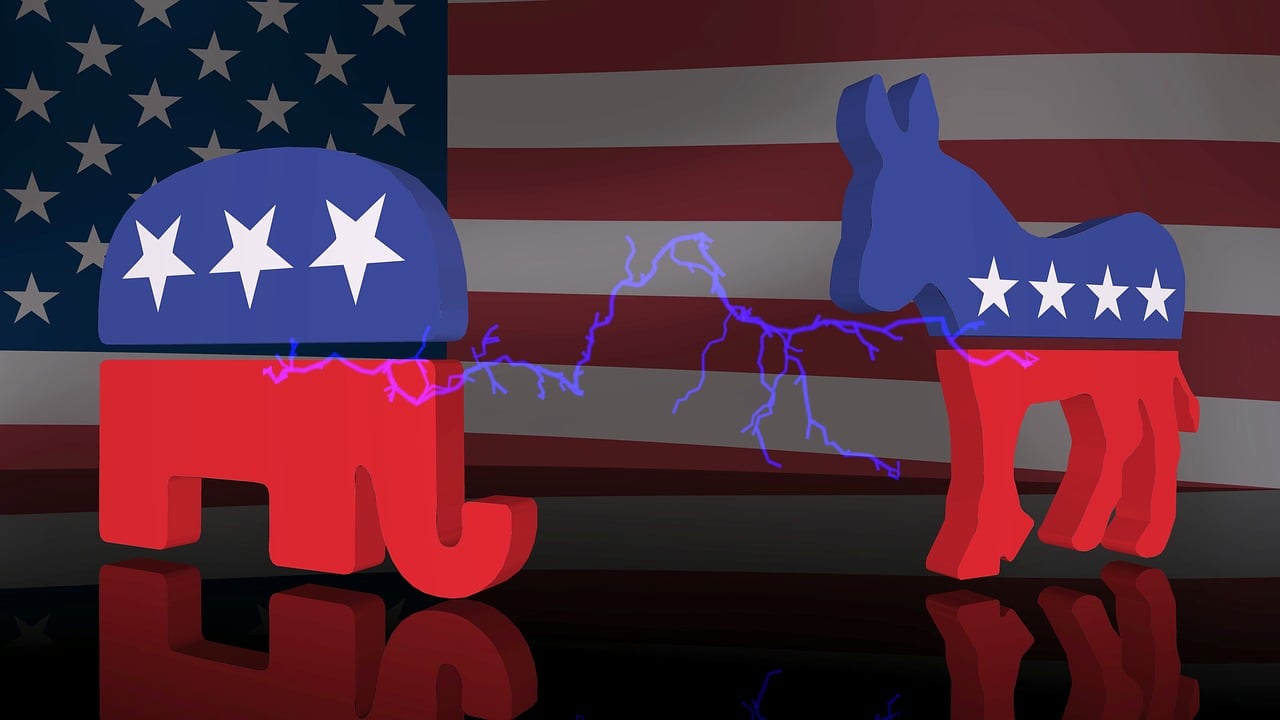

Profiles of Followers by Political Affiliation and Demographics
Understanding the political affiliations of social media followers is crucial for tailoring content and strategies effectively. Political affiliation profoundly influences follower demographics, shaping their interests, values, and engagement with content. Polling data reveal that followers often align their ideological views with specific parties, reflecting broader societal trends. Notably, platforms attract diverse user bases with distinct political leanings. Conservative followers may prioritize content that reinforces traditional values, while progressive audiences might seek information aligning with social justice issues. Gender and age are also defining factors in political affiliation among followers. For instance, younger demographics lean towards different political perspectives compared to older generations. This influences not just the type of content followers prefer but also how they engage with various platforms. Additionally, geographic factors further diversify follower demographics. Urban dwellers may exhibit political views distinctly different from their rural counterparts, guiding content strategies. Understanding these specifics enables brands to craft messages that resonate more broadly across their audiences. Ultimately, profiling followers allows for effective engagement and informed outreach strategies that reflect their political beliefs and demographic realities.
In the context of social media platforms, follower demographics play a significant role in shaping political discourse. The interaction between users and content is influenced not only by personal beliefs but also by the backgrounds of these users. Many political campaigns now leverage social media to target specific demographics based on their political affiliations. By analyzing data such as age, gender, location, and interests, campaigns can tailor messages that resonate deeply with their intended audiences. For example, posts that discuss environmental issues may find greater traction among younger, more progressive followers. In contrast, messaging around economic stability might resonate more with conservative audiences. Furthermore, the educational background of followers often correlates with political beliefs, influencing how they respond to various political stances. Understanding the intersection of education and politics can enhance engagement strategies. As followers express their opinions through comments and shares, tracking these interactions provides valuable insights. By consistently examining follower responses, brands and political entities can refine their approaches. Overall, engaging with the varying political affiliations among followers promotes a deeper understanding of the digital landscape.
Analyzing Engagement by Political Affiliation
Analyzing engagement metrics helps identify how various demographic groups interact with political content. Followers from different political affiliations exhibit unique engagement patterns, influencing campaign strategies. Younger, progressive users tend to engage actively with social issues, often sharing content that aligns with their values. Meanwhile, older, conservative followers may prefer more traditional forms of content consumption, with less emphasis on sharing. Metrics such as likes, shares, and comments reveal the depth of engagement within these demographics. For instance, progressive posts might see a higher volume of shares among younger audiences. In contrast, conservative messaging may generate more comments, reflecting a desire for dialogue rather than simple dissemination of ideas. Furthermore, the emotional tone of the content can affect engagement levels among followers. Content that resonates emotionally with progressive audiences tends to elicit strong reactions, prompting shares and discussions. On the other hand, conservative followers might respond to content that emphasizes community and tradition. Understanding these nuances allows brands to craft messaging that maximizes engagement, tapping into the motivations of their followers and fostering meaningful conversations.
Demographic factors such as income and education significantly impact political affiliations among social media followers. Generally, higher income levels correlate with specific political beliefs, with wealthier individuals often aligning with conservative ideologies. Conversely, followers with lower income may lean towards progressive values. Education plays a crucial role in shaping political opinions, often creating a divide between those with higher education levels and those without. Data suggests that individuals with college degrees tend to have more liberal views, influencing how they engage with content online. As followers interact with political messages, their demographic backgrounds inform their perceptions and responses. For example, educational institutions often advocate for progressive agendas, thus attracting followers who resonate with these ideals. Additionally, regional differences can further complicate the political landscape. In some areas, cultural values tied to local economies influence political beliefs. Recognizing these layers is vital for effective engagement strategies. Brands must approach political content with an understanding of these demographics to foster connections. In doing so, they create messaging that is relevant and resonant for the diverse backgrounds of their followers, driving higher engagement levels.
The Importance of Content Authenticity
Content authenticity is paramount for engaging followers across political affiliations. Followers are increasingly discerning, seeking transparency and genuine voices that reflect their values. Political messaging perceived as insincere or overly promotional can lead to disengagement. Authentic content resonates on a personal level, encouraging followers to connect with messages that align with their beliefs. For instance, public figures or brands that take a firm stand on social issues often find themselves with a devoted following. This is especially true among younger demographics who prioritize integrity in their engagements. Brands should focus on fostering a genuine dialogue around political topics, encouraging follower contributions and allowing them to participate actively. User-generated content can enhance authenticity, allowing followers to express their thoughts and engagement strategies. Additionally, brands that prioritize social responsibility often create deeper connections with their audiences, reinforcing their values in practical terms. Authenticity also drives loyalty, as followers are more likely to abide by brands that align with their political beliefs. Engaging with authenticity cultivates trust, while fostering community around shared values deepens followers’ loyalty and enhances overall engagement.
Follower demographics by political affiliation are dynamic and continuously evolving, necessitating ongoing evaluation. Social media trends influence political alignments, impacting how followers engage with content. As younger generations become increasingly vocal, their preferences shape the landscape of political discussions online. Trends such as hashtag movements illustrate how quickly follower sentiments can shift, driven by social issues and real-time events. Monitoring these changes provides insights into the issues resonating with diverse audiences, guiding content strategies effectively. Moreover, the role of influencers cannot be overlooked. Influencers often embody specific political identities, directing their followers’ engagement towards particular causes or candidates. As such, partnerships with the right influencers can align brands with motivated follower bases. Furthermore, as political climates change, so too do public sentiments. Brands must remain agile, adapting their strategies to align with emerging trends. This responsiveness increases relevance and boosts engagement. In essence, recognizing and responding to the evolving nature of follower demographics is integral to successful engagement. With diligent monitoring and adaptability, brands can foster meaningful connections that endure over time, reflecting the diverse nature of their audiences.
Strategizing for Diverse Audiences
Strategizing for diverse audiences requires a nuanced understanding of followers’ political affiliations. Brands must develop tailored content strategies that resonate with various demographic bases to effectively engage followers. By segmenting audiences based on political beliefs, brands can create targeted messaging that speaks directly to individual values. Techniques such as A/B testing can reveal which types of content perform best among different political groups. For instance, polls may indicate that progressive audiences respond better to themes of equality, while conservative followers engage more with messages of stability. Leveraging analytics tools can further aid in identifying trends among followers, ensuring that content remains relevant and responsive. Additionally, brands should foster a culture of inclusivity, inviting discussions that allow followers to share their perspectives. Creating safe spaces for dialogue encourages community-building around political topics. This enhances follower loyalty, as audiences feel their views are validated. Ultimately, successful engagement lies in brands’ ability to navigate these complex political landscapes while remaining authentic and relevant. A well-informed strategy promotes both engagement and connection across diverse political affiliations, leading to lasting relationships with followers.
In conclusion, understanding follower demographics by political affiliation not only enhances engagement strategies but also fosters connections that reflect the diverse realities of audiences. As political climates continue to evolve, brands must remain vigilant and adaptable in their approaches. By analyzing data related to age, gender, income, education, and geographic backgrounds, brands can align their messaging with followers’ values and beliefs. In doing so, they facilitate compelling dialogues that resonate across political lines. Furthermore, authenticity should remain at the core of all content strategies. Followers increasingly seek genuine interactions and transparency, which drive their engagement with brands. By prioritizing authentic content, brands can cultivate loyalty among their followers. Regularly monitoring engagement metrics provides valuable insights, allowing brands to refine their strategies continually. As followers’ political beliefs shift, brands that respond with agility will maintain their relevance. Ultimately, successful engagement hinges on understanding, adapting, and responding to the complexities of follower demographics and their political affiliations. Bridging these gaps will lead to deeper relationships with followers and enhance overall brand loyalty and trust, ensuring sustainable engagement for the future.