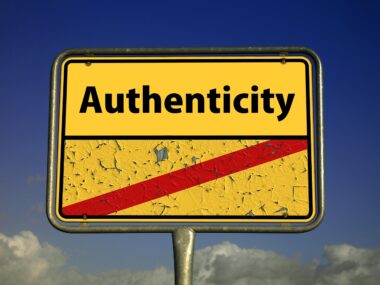
The Role of Ethics in Managing Brand Reputation Online
In the digital age, branding has evolved into a multifaceted journey where ethics and authenticity play crucial roles. Today, customers demand transparency from brands, which affects their purchasing decisions. Incorporating ethical practices into branding strategies can significantly enhance a brand’s reputation. To thrive, companies must adopt ethical frameworks that not only satisfy consumer expectations but also adhere to legal standards. Key areas include social responsibility, sustainability, and fair trade practices. These principles help in building trust and credibility among customers. When brands are perceived as genuine, they foster deeper connections. Furthermore, ethical branding goes beyond just honesty in messaging; it encapsulates the essence of the corporate culture and operational practices. Companies should ensure that their marketing communications reflect their core values and principles. This approach helps in mitigating any potential backlash due to inconsistencies. Therefore, brand managers must focus on transparency in communications. Techniques such as open dialogues and community engagement can improve the public perception of a brand. Ultimately, effective ethical strategies can lead to loyal clientele and sustainable business growth.
Furthermore, establishing a strong ethical foundation is essential for crisis management. In the event of controversy or backlash, brands that prioritize ethics are better positioned to recover quickly. For instance, having a proactive communication strategy can shield a brand’s reputation from damage during turbulent times. Transparency about business practices builds consumer trust and can soften the impact of negative press. Companies must also actively engage with their audience, addressing concerns and criticisms in a constructive manner. By implementing ethical branding practices, they can create an environment of understanding and collaboration. Studies reveal that consumers are more forgiving towards brands that demonstrate accountability and responsiveness. This highlights the importance of maintaining open lines of communication with stakeholders. Brands should utilize social media platforms to respond and clarify misinformation promptly. This clearance helps in restoring public confidence. Moreover, ethical branding is not just about avoiding negative behaviors but also about championing positive change in the community. Brands that take a stand on social issues positively influence public perception, adding authenticity to their brand story. Thus, ethical practices can lead to greater customer loyalty and long-term success.
Building a Trustworthy Brand
To build a trustworthy brand, it is imperative to engage in socially responsible practices. Companies should implement sustainability initiatives to minimize their environmental impact. This involves evaluating and optimizing supply chains while ensuring ethical labor practices. Collaborating with ethical suppliers safeguards brand integrity and aligns with corporate values. Customers today are increasingly conscious of their choices and prefer brands that give back to society. To appeal to this conscientious consumer, brands must effectively communicate their commitment to social causes. Utilizing storytelling in marketing strategies can be an effective way to convey these messages. By sharing stories of real impact, brands can connect emotionally with their audiences. Moreover, establishing a social media presence dedicated to promoting ethical values can enhance brand visibility and credibility. When companies showcase their initiatives and transformations, it builds a positive image. A transparent approach to reporting corporate practices can set a brand apart from its competitors. Regularly sharing updates reinforces the notion of accountability and fosters consumer trust. Consequently, a trustworthy brand can navigate challenges and create a loyal customer base eager to support their ethical mission.
As consumers become more discerning, the importance of ethical considerations in branding continues to grow. It’s essential for brands to conduct regular assessments of their practices and outreach efforts. This helps identify areas for improvement and assures that they remain committed to their ethical promises. Furthermore, engaging stakeholders in these assessments strengthens the relationship between the brand and its audience. Listening to customer feedback demonstrates a genuine commitment to enhancing their experience. Additionally, ethical branding requires ongoing education for employees. Training on ethical practices equips staff to embody brand values in every interaction. Well-informed employees can further serve as brand ambassadors, promoting a culture of integrity. This internal alignment is crucial, as inconsistencies can damage brand reputation. Companies should also embrace ethical advertising principles by avoiding manipulative tactics. Authentic marketing creates a platform for honest representation. Authentic communication fosters customer satisfaction and loyalty. Moreover, brands should celebrate diversity in their campaigns and promote inclusivity. This not only enhances the brand’s image but encourages broader acceptance. In doing so, brands align themselves with modern societal values and enhance their reputation significantly.
The Role of Influencers and Authentic Engagement
Influencer partnerships can greatly impact a brand’s ethical perception. Collaborating with influencers who embody similar values amplifies the brand’s commitment to ethics. However, it’s crucial for brands to choose influencers carefully and ensure authenticity in their messaging. Influencers should promote products that resonate with their beliefs to maintain trust with their followers. When consumers see authentic endorsements, they are more likely to connect with the brand’s ethos. Additionally, brands must ensure that influencers disclose partnerships transparently to adhere to ethical marketing standards. Proper identification allows followers to make informed decisions, fostering a relationship built on honesty. Furthermore, brands should encourage influencers to engage their audience in meaningful ways. This could involve conducting giveaways, Q&A sessions, or sharing behind-the-scenes content. Engaging content creates a sense of community, which is essential for brand loyalty. Transparency in influencer collaborations enhances brand reputation and reflects adherence to ethical practices. Brands should foreground social value whenever possible, as this demonstrates alignment with contemporary ethical standards. By prioritizing genuine relationships, brands can enrich the consumer experience and ensure long-term customer loyalty.
Moreover, navigating the realm of online reviews and ratings plays a significant role in brand ethics. Consumers increasingly rely on reviews when making purchasing decisions. Managing this feedback, both positive and negative, requires a dedicated approach. Brands should monitor their online presence continuously and respond appropriately. Acknowledging and addressing customer complaints demonstrates a commitment to excellence. Companies can use these interactions as opportunities to resolve issues publicly, thereby enhancing their credibility and showing accountability. On the flip side, it’s vital for brands to encourage satisfied customers to share their experiences. Authentic reviews provide potential customers with insights into the brand’s reliability. Brands can foster a culture of feedback by creating channels for their audience to express their thoughts. Whether through social media or survey tools, gathering opinions helps brands refine their approaches. Furthermore, amplifying customer voices through testimonials enhances authenticity. Marketing genuine stories from real users reflects the brand’s commitment to ethical practices. Strengthening online reputation management fosters better consumer relationships, aligning with established ethical values that can ultimately lead to increased sales and brand success.
Conclusion: The Path Forward in Ethical Branding
In conclusion, the integration of ethics into branding strategies is vital for global brands today. As consumers seek authenticity, brands must navigate their messaging with a strong ethical foundation. Commitments to social responsibility, transparency, and genuine engagement enable brands to build trust and enhance their reputation. Ethically aligned branding not only satisfies customer expectations but also strengthens brand identity in the crowded market. Additionally, embracing the role of influencers and engaging in meaningful dialogues with consumers opens pathways for connection. Brand managers must conduct regular evaluations to adapt to changing consumer sentiments. In doing so, they can address ethical challenges and seize opportunities for growth. Stakeholder engagement is essential, ensuring that both internal and external perceptions align with brand values. Continuous improvement leads to an ethical culture that resonates beyond marketing efforts. Furthermore, in a world of instantaneous communication, ethical branding can mitigate potential crises and enables organizations to thrive. Moving forward, companies that prioritize ethics remain well-positioned to cultivate loyalty and build lasting relationships with their consumers, ultimately paving the way for sustainable growth.
It’s essential for brands to be proactive in addressing ethical considerations. As the digital landscape evolves, so do the expectations of consumers, requiring brands to stay ahead. In this regard, leveraging technology to enhance transparency and accountability will be critical. By investing in technologies that enable better tracking and reporting of their practices, brands can showcase their ethical commitments to consumers openly. Furthermore, adopting a culture of continuous learning and adaptation will allow brands to remain relevant in a competitive environment. Brands must also be willing to embrace feedback and criticism as opportunities for growth rather than threats. Engaging in open conversations about ethical dilemmas not only enhances brand reputation but also contributes to industry-wide improvements. Brands that are willing to initiate and lead discussions on ethics set themselves apart and position themselves as thought leaders. They can catalyze positive change in their sectors and inspire peers to follow suit. Ultimately, this commitment to ethics will result in greater consumer loyalty, which is essential for long-term success. Ethical branding will define the future of communications. This leads to enhanced stakeholder trust and a robust, resilient brand image.