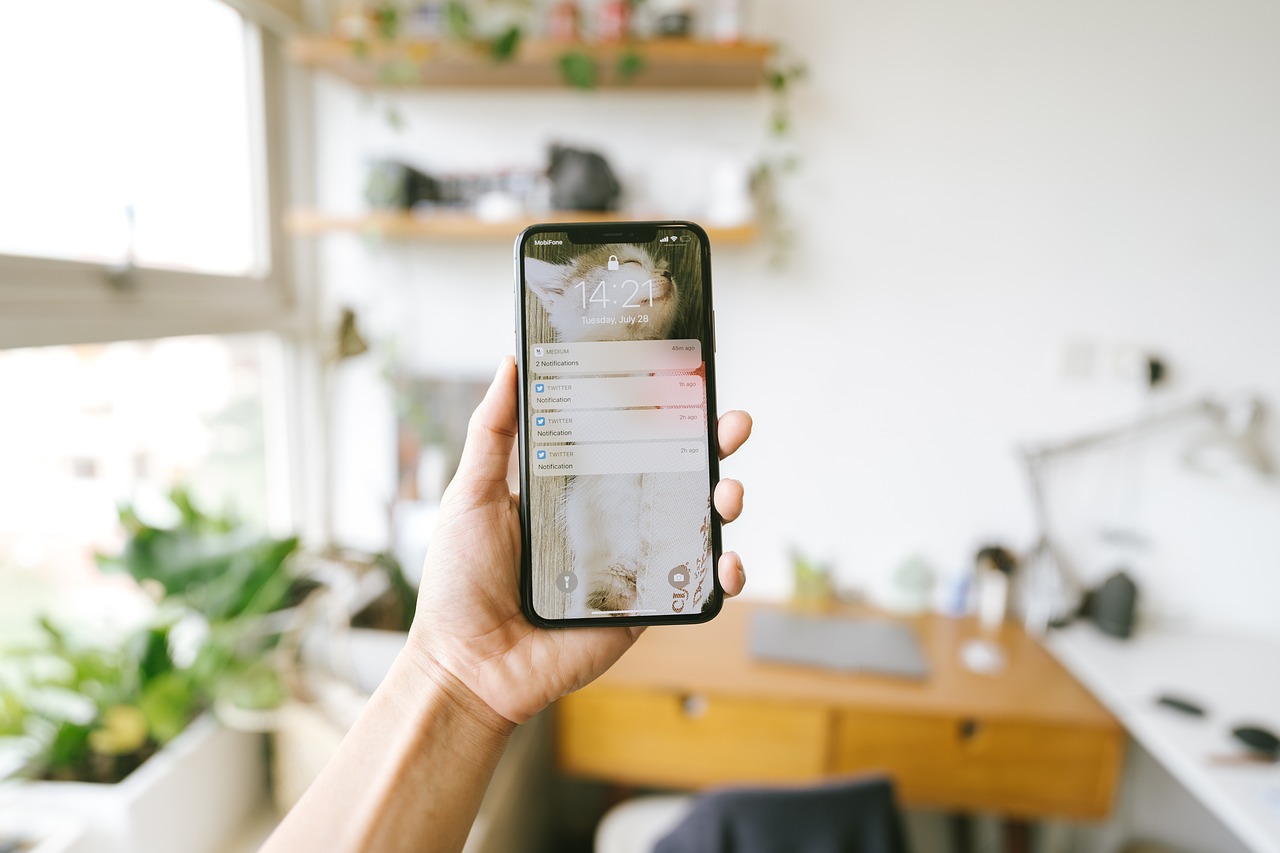

Optimizing Push Notification Design for Mobile Devices
Push notifications serve as vital communication tools for engaging users effectively. To optimize their design, one must understand user preferences and behaviors. First, consider the timing of notifications. Sending messages at opportune moments improves the likelihood of engagement. Additionally, experiment with the type and content of messages. Personalization can enhance user experience. Users are more likely to engage with messages tailored to their interests. Next, the visual design of notifications matters significantly. Ensure that messages are visually appealing yet straightforward. Utilize contrasting colors to grab attention but keep it harmonious. Key information should be concise, limiting unnecessary clutter. Incorporating emojis can add emotional appeal, enhancing connection. Furthermore, enhancing interactivity within notifications can boost engagement. Allow users to take actions directly through notifications, increasing convenience and efficiency. This strategy makes it easier to respond, ultimately improving engagement rates. Lastly, regular testing and iteration of notifications based on analytics can lead to better outcomes. Analyzing user responses allows for continuous improvement, ensuring relevance. Efficiently implementing these strategies will lead to significant results in user engagement, fostering loyalty and enhancing user retention over time, which is pivotal for growth.
To further enhance push notification strategies, focus on segmentation. Targeting specific user groups increases the chance of relevant interactions. By categorizing users based on behaviors and preferences, you tailor messaging accordingly. For example, users who frequently engage with a specific product should receive updates tailored to those items. This framed approach promotes higher engagement rates. During segmentation, consider geographic locations as well. Localized messaging can create urgency. Users often respond better to contextually relevant notifications. Another essential aspect is A/B testing different notification styles. This practice allows for direct insights into which designs prompt more interactions. Also, experiment with various call-to-action phrases. Effective calls-to-action can greatly influence response rates. In addition to A/B testing, encourage user feedback on push notifications. By actively soliciting user opinions, you can adapt your strategies effectively. Consider implementing options to allow users to customize notifications according to their preferences. This level of personalization enhances user satisfaction. Moreover, keeping recipients informed can also lead to greater trust and reliability of notifications. Establishing clear expectations from notifications ensures users continue to check them, further enhancing engagement.
Timing and Frequency Optimization
The timing and frequency of push notifications can heavily influence user engagement. It’s crucial to find a balance that keeps users informed without overwhelming them. Sending too many notifications can lead to annoyance, risking opt-outs from users. A good practice is to monitor the engagement patterns of your target audience. Identifying peak times when users are most active will enable you to schedule notifications accordingly. Alternatively, consider time zone variations, especially for global applications. Adjusting notifications to reach users when they are most likely to be engaged is key. Additionally, implementing a smart scheduling system can help automate the process and ensure timely delivery. Incorporating functionality for users to adjust their notification frequency can yield positive results. By letting users decide how often they receive alerts, satisfaction levels increase. Some users might prefer instant alerts, while others could favor daily summaries. This flexibility allows for a user-focused approach. Finally, remember that tracking engagement metrics after implementing these strategies is vital. Continuous evaluation will reveal what works effectively and help refine your approach further. Such effort is essential to optimize engagement over time, capitalizing on built user relationships.
Another component to consider for effective push notifications is clarity in messaging. Ensuring that each notification is clear and concise plays a pivotal role in engagement. Users should instantly grasp the message’s core intent. Start with a strong headline or subject that captures attention immediately. Then, follow with essential information presented in a digestible format. Utilize bullet points or numbered lists when explaining multiple points in a single notification. This organizes information and makes comprehension easier. Additionally, using action-oriented language can prompt immediate responses. Words like “Discover,” “Join,” and “Shop” create an urge to act. Visual elements can also support clarity. Including engaging images or icons can quickly convey messages without overwhelming text. However, one should be careful not to overdo visuals. Simple and relevant imagery enhances attributes without distracting from the essential message. Testing different structures for your notifications is beneficial to find what resonates most with your audience. Regularly assess feedback to tweak the structure for better results continuously. A commitment to clear and engaging messaging fosters trust and loyalty from users, promoting sustained engagement throughout the lifecycle of your notifications.
Utilizing Data and Analytics
Data-driven decision making is critical in optimizing push notifications for engagement. When designing notifications, look into analytics metrics to identify user behavior trends. Understanding engagement data allows you to create targeted strategies. For instance, focusing on open rates and response times provides invaluable insights. These statistics will assist in assessing how users interact with notifications. This information is pivotal for determining what content and timing are effective. In addition, analyzing data from user interactions with previous notifications helps refine future messaging. Experimenting with message variants while tracking responses will provide precise feedback on preferences. Even tracking unsubscription rates and reasons can inform adjustments better. Tools such as Google Analytics or specific push notification analytics can provide detailed reports on user interaction. It’s also advantageous to apply cohort analysis to examine how different user segments react over time to notifications. Monitoring these aspects would allow adaptation in techniques to enhance engagement. Additionally, integrating feedback loops that let users share their content preferences can be costly-effective while improving engagement. Ultimately, an emphasis on data stewardship will lead the way to superior push notification strategies, yielding lasting user relationships.
Finally, always keep the user experience at the forefront of push notification strategies. Prioritize user preferences, ensuring they perceive notifications as beneficial, rather than intrusive. Engaging users can be achieved through personalized messages that make them feel special. Moreover, respecting privacy and permissions is paramount. Users must consent to receive notifications, which fosters a sense of control and trust. Additionally, consider implementing a preference center, allowing users to customize their notification types and frequency. This establishes a relationship where users feel empowered. Additionally, highlighting the value proposition of notifications can positively impact user perception. Clearly communicate what users stand to gain from engaging with your messages. This transparency can significantly improve the willingness to interact with notifications. Also, utilize gamification elements when appropriate; incentivizing engagement through rewards can foster excitement. Engaging users through interactive, rewarding notifications can lead to increased long-term commitment. Finally, revisiting and refreshing notification content regularly prevents monotony, keeping the experience exciting. Engaged users who see app value are likely to remain loyal, underscoring the essential connection between optimized push notifications and enhanced user experience.
Conclusion
In conclusion, optimizing push notification design encompasses a variety of strategies fostering user engagement. Recognizing the significance of segmentation, timing, frequency, clarity, and data analysis can transform notifications into effective tools. Clear messaging that respects user preferences and maximizes personalization will revolutionize user interaction. Moreover, continuous evaluation and adaptation of strategies based on user feedback boosts effectiveness over time. Proper implementation ensures users find value in notifications, thereby enhancing loyalty and retention. Emphasizing user experiences, while conducting rigorous testing, shapes successful interactions. To finalize, remember that evolving user expectations necessitate regular updates to strategies, ultimately cultivating sustained relationships. Through dedication and a user-centered focus, businesses can utilize push notifications efficiently, establishing meaningful connections with their audience for better engagement outcomes.
Through enhanced understanding and execution of well-designed push notifications, organizations can significantly increase customer interaction and satisfaction levels. A dedication to embracing user feedback and nurturing relationships within notifications reveals the potential for substantial marketing advantages. Engaging audiences using strategic approaches creates impactful experiences, ultimately driving business success. Therefore, craft your notifications with intention and industry best practices to ensure notable engagement rates. Over time, as user interactions deepen, your outreach via notifications becomes more pronounced and effective. Regularly revising strategies in response to analytical insights maximizes impact. Conclusively, push notifications stand as powerful mechanisms for fostering continuous engagement within mobile applications. Their strategic execution aids businesses in maintaining relevance and connection in competitive markets.