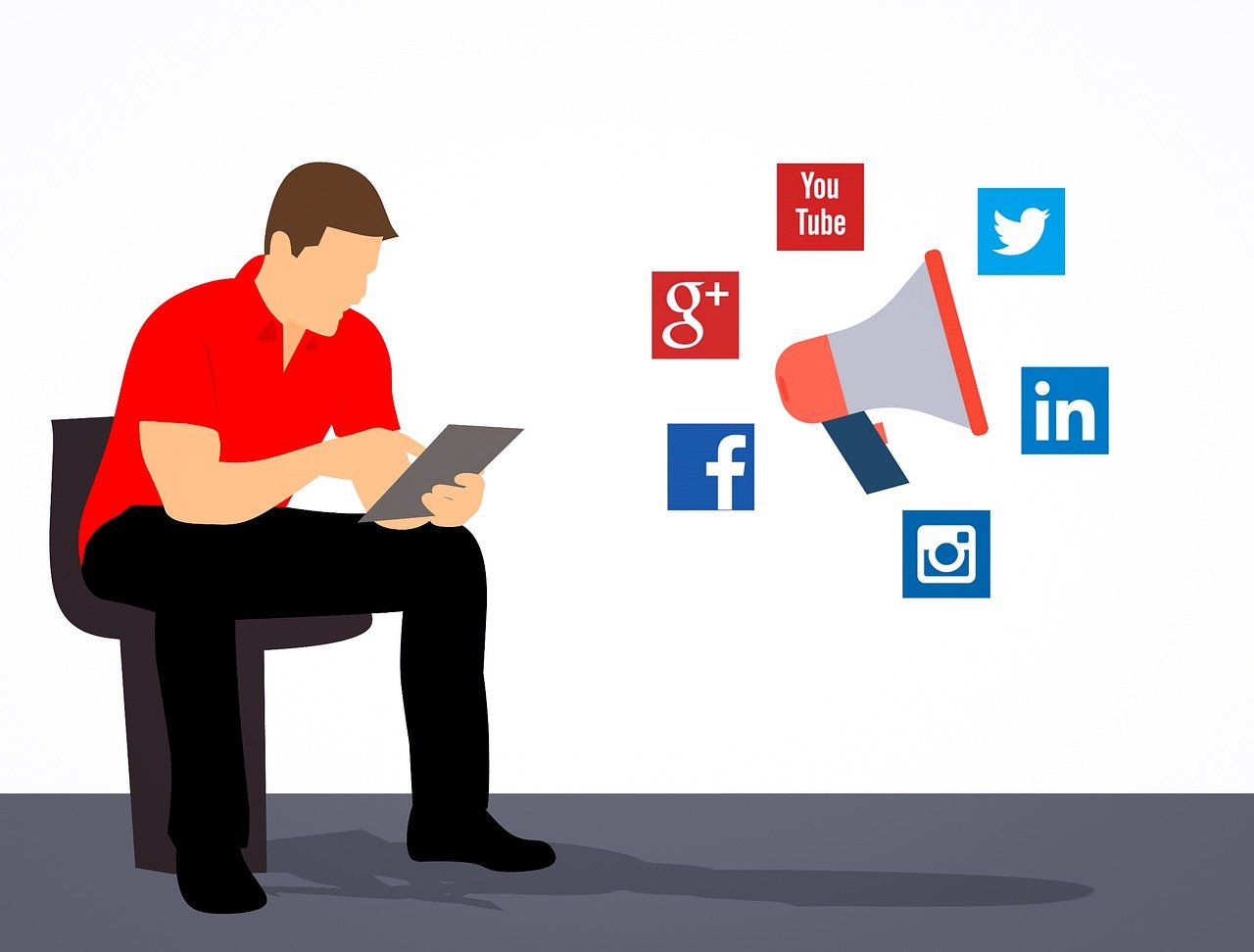

Driving Marketing Strategies with Social Listening Data Collection
Social listening is a powerful tool for modern marketing strategies. It involves monitoring various online conversations to gather valuable insights about consumer behavior. Businesses leverage social listening to enhance their marketing efforts effectively. By analyzing comments, reviews, and social media posts, companies can better understand their audience’s preferences and sentiments. This data can drive decisions around product development, promotional strategies, and even brand positioning. Engaging with customers through social media platforms becomes essential in forming a solid marketing approach. Furthermore, the information collected through social listening aids businesses in anticipating market trends. Insights help identify what customers love or dislike about products or services. This proactive method allows brands to adapt their offerings accordingly, ensuring they align with consumer expectations. With an increasing number of conversations happening online daily, employing social listening practices has never been more crucial. Companies can utilize assorted tools for data scraping and analytics to facilitate this process. Adopting an ongoing social listening initiative helps maintain an engaged and satisfied customer base in today’s competitive digital landscape.
One of the primary benefits of social listening is the ability to collect real-time data. Companies can monitor immediate feedback regarding their products, services, or marketing campaigns. This capability enables brands to quickly address customer concerns and adjust their strategies accordingly. Monitoring trends across social media platforms allows businesses to tap into current discussions. Identifying popular hashtags, mentions, and keywords relevant to their industry can drive impactful campaigns. Companies should prioritize engaging with influencers in their niche to maximize their outreach. Influencers can help amplify a brand’s message and strengthen its credibility among consumers. Additionally, social listening can provide valuable competitive insights by keeping an eye on competitor activities. By understanding how competitors engage with audiences, businesses can differentiate their voice and approach. Employing a competitive analysis can enhance the company’s marketing efforts significantly. Additionally, it allows brands to identify gaps in the market or areas of improvement. Effective social listening can lead to enhanced customer relations, deeper loyalty, and even higher sales conversions. The intelligence gathered must translate into actionable strategies to reap the full benefits of social listening.
Key Data Collection Methods in Social Listening
Several data collection methods are integral to successful social listening. These techniques include keyword tracking, sentiment analysis, and influencer monitoring. Businesses should start with keyword tracking to gather information specific to their industry. This proactive approach highlights what customers are saying about products or services. By focusing on relevant keywords, brands can develop a more informed marketing campaign. Sentiment analysis is another crucial technique that gauges consumer emotions related to a brand, product, or service. Understanding whether sentiments are positive, negative, or neutral helps brands alter their communications effectively. Additionally, monitoring influencers within an industry provides insights into impactful conversations happening elsewhere. Engaging with key opinion leaders can enhance credibility and facilitate connecting with a wider audience. Utilizing data from multiple sources, such as Twitter, Facebook, and forums, contributes to a robust strategy. Integrating the findings helps form responsive marketing campaigns and enhances brand visibility. By systematically applying these methods, businesses can promote customer-centric strategies. The focus must remain on what resonates with the audience, ultimately enabling brands to grow their relevance.
Data visualization also plays a significant role in interpreting social listening results effectively. Utilizing charts and graphs can make it easier for teams to understand large amounts of data. Visual presentations facilitate quicker decision-making processes. The insights gathered can then be communicated seamlessly across departments, ensuring alignment. Teams equipped with data visualization tools can better identify issues and opportunities quickly. This clarity supports marketing, sales, product development, and customer service discussions. Moreover, integrating artificial intelligence and machine learning can enhance the accuracy of analysis. Organizations can predict customer behavior based on historical data, allowing strategic planning. Implementing social listening data across every marketing channel ensures consistency in messaging and branding. When data translates into relatable stories, campaigns become more impactful. Storytelling based on consumer insights helps evoke emotions and shape branding strategies positively. Additionally, staying ahead of market trends requires ongoing research and adaptation. Social listening must not be a one-time exercise. A consistent approach allows brands to remain relevant amidst shifting consumer preferences. Overall, leveraging data visualization creates a more adaptable marketing framework.
Creating Engaging Content through Social Listening
Content plays a vital role in capturing audience attention and engagement. By utilizing social listening data, businesses can tailor their content to meet consumer preferences effectively. Identifying popular topics and pain points allows marketers to create articles, videos, or graphics that resonate with their audience. Proactively involving customer feedback in content creation can significantly increase its relevance and effectiveness. Tailored content not only engages consumers but also builds a sense of community around a brand. Encouraging user-generated content through social listening fosters deeper relationships with customers. Brands can promote hashtags that encourage customers to share experiences, demonstrating authenticity. Additionally, leveraging the insights gathered can unveil what types of content perform best across different platforms. Experimenting with various formats, such as blogs, infographics, or social media posts, leads to discovering successful methods of communication. Furthermore, analyzing competitors can inspire innovative content ideas that can set a brand apart. Social listening transforms content creation into a more targeted initiative. As it articulates the audience’s voice, brands can craft messages that enhance customer experiences and alignment with their values. Ultimately, relevant content nurtures loyalty and drives conversions.
Customer engagement and social listening work hand in hand to foster brand loyalty. Actively listening to customer feedback ensures that brands align their strategies with expectations. Responding to feedback—whether positive or negative—demonstrates a brand’s commitment to its consumers. This openness cultivates loyalty and encourages repeat business. Establishing communication channels, including chatbots and dedicated social media accounts, facilitates efficient interactions. Furthermore, leveraging social listening to identify potential crises or issues is crucial for brand reputation management. Timely responses mitigate the risk of negative publicity. Implementing social listening data helps anticipate consumer needs and preferences. Personalizing marketing messages and promotions based on insights leads to enhanced customer experiences. By adopting an empathetic approach, brands can foster meaningful connections with their audience. Engaging with loyal customers through surveys or polls helps gather more targeted data. This information not only contributes to marketing initiatives but also strengthens community ties. Ultimately, the relationships built through effective social listening create brand advocates who will champion the company. A deeper understanding of consumer desires leads to innovative business development and customer satisfaction. Continuous dialogue promotes growth and elevates brand presence across all platforms.
Conclusion: The Future of Social Listening in Marketing
As digital landscapes continue to evolve, social listening becomes indispensable for successful marketing strategies. Organizations leveraging social listening data are better equipped to navigate challenges and opportunities. Adapting to changing market dynamics requires ongoing monitoring and listening to the audience. The future of marketing will increasingly rely on real-time insights to make informed decisions. Investing in advanced tools for data analysis allows brands to derive meaningful conclusions from social listening. The integration of AI technologies will further enhance this capability, paving the way for predictive analytics in marketing. Brands committed to social listening emerge as frontrunners in customer-centric approaches. Understanding consumer behavior thoroughly ensures that businesses communicate effectively and meaningfully. Integrating social listening across all departments leads to cohesive strategies that reflect a deeper understanding of target markets. Companies should view social listening as an ongoing investment rather than a one-time project. As shifts in consumer needs become frequent, successful brands will prioritize adjustments rooted in real-time data. Ultimately, the evolution of social listening will shape the marketing landscape, fostering stronger connections between brands and consumers.
This commitment to harnessing insights through social listening is essential in driving marketing strategies forward. The competitive landscape presents challenges continuously, and brands must adapt to remain relevant. Listening actively to customers leads to innovations and improvements that enhance brand value. Successful marketing relies on listening to the voice of the consumer. Those who invest in understanding their audience’s preferences have a competitive edge over those who do not. By incorporating social listening practices, businesses become more agile. This agility allows for quick pivots in marketing strategies that can lead to significant growth opportunities. Long-term success requires a balance of analysis and creativity. Businesses must remain vigilant about implementing social listening insights effectively. Their ability to interpret data translates directly to engagement, loyalty, and revenue. Ultimately, the future of social listening lies in its capacity to revolutionize marketing practices continually. Enhancing consumer relationships and personalizing interactions nurtures a loyal customer base. Striving for continuous improvement through social listening is crucial in a fast-paced marketplace. A culture of listening ensures that businesses remain tuned into their audience, paving the way for sustained success.