
How to Collaborate with Other Communities for Joint Events
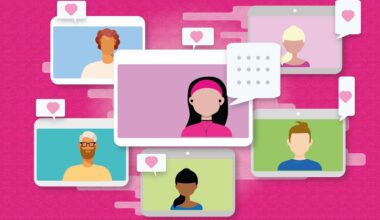
Collaborating with other communities to organize joint events can greatly enhance the experience for participants while expanding the reach of both groups. Start by identifying common interests and goals between your community and potential partners. Schedule initial meetings to discuss ideas and explore ways to effectively combine resources and expertise. Establish clear communication strategies to ensure all parties are on the same page regarding expectations, timelines, and responsibilities. This will minimize potential misunderstandings and foster a positive collaborative environment. Utilize online tools such as collaborative documents or project management applications for real-time updates and progress tracking. As you move forward, consider creating a dedicated planning committee with representatives from each community. This group can oversee the event planning process, ensuring each community’s voice and perspective is respected. Additionally, brainstorm diverse event formats, such as workshops, panels, or social gatherings that appeal to both audiences. Finally, actively promote the event through various channels, including social media, newsletters, and community boards, emphasizing the joint effort by both groups to attract a larger, more engaged audience.
Budgeting for a joint event is crucial to its overall success, particularly when multiple communities are involved. Ensure that all parties agree on a budget that fairly divides costs such as venue hire, catering, marketing materials, and equipment rentals. Each community should contribute their fair share based on expected participation and resources available. It’s helpful to evaluate potential sponsorship opportunities to alleviate financial burdens. Local businesses, community foundations, or relevant organizations may offer support in the form of monetary contributions or in-kind services. When making decisions about expenses, prioritize essential items that enhance the event experience while remaining flexible in less critical areas. Consider using shared venues, which can significantly lower costs and also create a more cohesive atmosphere. Ultimately, transparency about financial matters is paramount to maintain trust among collaborators. Keep detailed financial records tracking all income and expenditures related to the event. After the event concludes, gather feedback from participants. Assess the budget, noting successful areas and identifying improvements for future collaborations. This practice enhances learning for subsequent joint events and builds stronger partnerships.
Building Relationships with Other Communities
Forming solid relationships with other communities requires intentional networking. Attend events hosted by potential partners to introduce yourself, engage in conversations, and understand their missions and values. Make connections with community leaders and show genuine interest in their work. Find common ground where you can collaborate effectively. Social media platforms can serve as excellent tools for maintaining connections; LinkedIn, Facebook groups, or community-driven forums can facilitate ongoing discussions. Share relevant industry news, resources, or insights that may benefit both communities, creating a mutually beneficial dynamic over time. In addition to digital venues, think about organizing casual meetups to foster camaraderie outside formal settings. Fostering trust and rapport encourages collaboration when discussing joint events. Another approach is to conduct co-hosted workshops or short seminars to gauge compatibility before planning larger events. This collaboration gives both communities a taste of each other’s operational styles while attracting diverse audiences. Additionally, mutually promote these smaller sessions, utilizing social media and mailing lists to reach new participants. Establishing a foundation of trust and collaboration ensures successful larger joint events in the future.
Effective event marketing is crucial for joint events, as it determines overall attendance and engagement from both communities. Begin by creating a comprehensive marketing plan that outlines targeted messaging tailored to specific audience segments. Utilize social media platforms to generate interest and share engaging content related to the event. Share teaser videos, behind-the-scenes footage, or guest speaker spotlights to generate excitement and keep audiences engaged leading up to the event. Develop attractive promotional materials, such as flyers and social media graphics, that integrate branding elements from both communities to promote a sense of unity. Be proactive in leveraging both communities’ networks to amplify outreach efforts; this cross-promotion will widen visibility significantly. Using hashtags strategically on social media can also enhance exposure and encourage attendees to engage in conversations about the event. Consider creating an event website or dedicated landing page to serve as the central hub for all vital information. This site can feature a registration form, agenda, and FAQs. Finally, post-event follow-ups through social media or email newsletters can be tremendously impactful in maintaining engagement and interest for future collaborations.
Setting Goals and Objectives
Prior to initiating any joint community event planning, define clear goals and objectives. Both communities should participate in this essential brainstorming process. Clarifying the purpose of the event helps align expectations and fosters a sense of shared ownership. Goals may include increasing membership, educating the public on certain topics, or simply fostering a greater sense of community. Make sure to set measurable objectives that gauge the effectiveness of the event, such as registration numbers, engagement metrics during the event, or post-event feedback ratings. Having defined goals creates a focused environment, guiding the decision-making process regarding content, marketing, and logistics. Ensure that both communities understand how each of their goals contributes to the overall success of the event. Additionally, re-evaluate these goals periodically throughout the planning process to adapt to emerging insights or circumstances. Create a shared document where both parties can update objectives as needed. This adaptability results in a smoother execution of the event and ensures that both communities find value in the collaboration. Celebrating the achievement of these goals post-event strengthens future partnership possibilities.
During the event, ensure active participation from both communities by creating inclusive programming that appeals to diverse interests. Encourage contributions from representatives of each community during panel discussions, workshops, or breakout sessions to enrich conversations and perspectives. Promote engagement by providing interactive activities, such as Q&A sessions or hands-on demonstrations that invite participant involvement. Diverse programming maintains audience interest and develops an enriching atmosphere that gives both communities a sense of ownership over the event. Use visual aids and technology to enhance presentations. Inviting guest speakers from both communities can lend credibility and attract audiences who may not otherwise attend. Additionally, recognize individuals and organizations that contribute significantly to the event, celebrating their involvement publicly during the event. Such recognition fosters goodwill and can strengthen relationships for future collaborations. Post-event, consider surveying attendees to gather feedback on their experience and insights. Asking for input regarding future event topics or formats can provide valuable data for subsequent joint endeavors. This feedback loop is vital in evolving programming that effectively serves community needs while solidifying partnerships.
Post-Event Evaluation and Reflection
After the event’s conclusion, carry out a thorough post-event evaluation with all involved parties. Gather diverse perspectives through feedback surveys distributed to attendees, participants, and team members. Utilize this feedback to analyze the overall success against the predetermined objectives established before planning. Discussion should focus on what elements successfully engaged audiences, shared learnings, and what improvements can be made next time. Sharing results not only keeps everyone informed but also inspires motivation for future collaborations. Additionally, create a visual report summarizing outcomes, attendance metrics, and financial performance, focusing on lessons learned. This report can serve as a valuable reference for future partnerships. Engage in open discussions about the event’s operations, logistics, and attendee responses, holding each other accountable for improvements. Through discussing strengths and weaknesses, set actionable insights for future events, ensuring the evolution of community collaboration remains central. Finally, express gratitude to all collaborators, volunteers, and attendees for their participation. Recognition of contributions builds goodwill and reinforces the importance of collaboration. Building upon these insights ensures ongoing success in uniting communities for impactful joint events.