
Leveraging Facebook Pixel for Precision Audience Targeting
In today’s digital landscape, understanding and utilizing Facebook Pixel is crucial for businesses aiming for effective targeting strategies. Facebook Pixel is a powerful tool that enables advertisers to track user interactions on their websites. It collects data that helps in shaping targeted advertisements based on user behavior. The significant benefit of employing Facebook Pixel is its ability to create custom audiences based on specific actions taken on your site. With this data, marketers can align their advertising efforts closely with the interests and needs of potential customers. For instance, if a user visits a specific product page but doesn’t convert, marketers can retarget that user with tailored ads to encourage a purchase. Additionally, utilizing the insights gained from Facebook Pixel allows businesses to optimize their ad campaigns over time, enhancing their return on investment (ROI). Therefore, leveraging Facebook Pixel not only improves audience segmentation but also contributes to more precise targeting on Facebook, ultimately driving higher engagement rates and improving conversion metrics. Effective use of Facebook Pixel should be a fundamental aspect of any digital marketing strategy aiming for success in a competitive e-commerce environment.
Understanding the mechanics behind Facebook Pixel is vital for marketers who want to maximize their online advertising effectiveness. By placing Pixel on your site, you can start gathering valuable data on user interactions. This includes tracking page views, purchases, and even events like registrations or sign-ups. Marketers can then analyze this data to determine which ads resonate most with their audience. As a result, businesses can refine their marketing strategies based on user interactions. Additionally, Split testing different audience segments becomes much easier. For example, a clothing retailer can target advertisements based on users who have viewed certain types of apparel. By differentiating audiences, marketers can craft messages that speak directly to their interests and prompts, enhancing overall engagement. Furthermore, creating lookalike audiences with Facebook Pixel data expands reach to potential customers exhibiting similar behaviors to existing ones. It’s a fantastic way for businesses to leverage their current customer data to gain new clients. The blend of data gathering and analytics from Facebook Pixel provides marketers with the necessary tools for strategic decision-making and effective targeting efforts.
Setting Up and Optimizing Facebook Pixel
Setting up Facebook Pixel is a straightforward process, but maximizing its potential requires strategic optimization and analysis. First, marketers need to create a Facebook Pixel through their Ads Manager. Once the Pixel is generated, it must be installed on the website, which involves placing a snippet of code on relevant web pages. However, simply installing the Pixel won’t yield results. It’s crucial to define the key actions or events that should be tracked, ensuring alignment with business goals. These events might include content views, add-to-cart actions, or completed purchases. Monitoring these activities will enable businesses to gather rich insights about their audience’s behavior, which should influence the types of ads being run. Moreover, regularly reviewing conversion tracking can help identify areas for improvement. Businesses should focus on optimizing their ads based on the data collected from the Pixel, adjusting targeting options based on audience interactions. Such iterations will inevitably lead to increased conversions and overall campaign effectiveness. Properly leveraging Facebook Pixel indeed creates a feedback loop that progressively hones the advertising strategy over time.
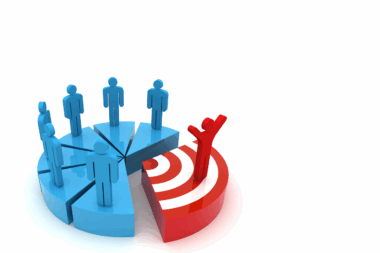
Audience segmentation is at the heart of effective advertising, and Facebook Pixel enhances this aspect significantly. With the data collected, businesses can categorize audiences based on various parameters such as demographics, interests, and purchasing behavior. Custom audiences created from data enable more targeted ad placements, ensuring messages resonate with the intended users. For instance, a local restaurant could target ads to users who previously visited its website but did not make a reservation. This strategic retargeting encourages prospects to complete their initial intent. Furthermore, by analyzing audience behaviors, businesses can refine their segmentation strategies. For example, they can identify segments that consistently convert or are showing interest, allowing for targeted marketing initiatives or promotional offers. In contrast, segments with lower engagement may require re-evaluation of the marketing approach or messaging. Therefore, Facebook Pixel is instrumental not only in audience segmentation but also in enhancing the overall customer journey, making the advertisement feel more personalized and relevant. Emphasizing audience segmentation becomes a game-changer for advertisers looking to improve conversion rates and build long-term customer relationships.
Benefits of Using Facebook Pixel
Utilizing Facebook Pixel offers several substantial benefits for digital marketers aiming to optimize their campaigns. One of the primary advantages is enhanced tracking capabilities, allowing businesses to understand user behaviors better. Businesses can easily assess which campaigns drive sales through data analytics provided by the Pixel. This insight enables better resource allocation, ensuring that budgets are directed towards the most effective campaigns. Additionally, Facebook Pixel provides access to Facebook’s robust targeting options, such as custom and lookalike audiences. This access means that brands can reach new audiences who share characteristics with their best customers, improving chances of engagement. Moreover, integrating Facebook Pixel with other analytics tools enhances the marketing strategy by providing a comprehensive view of customer interactions across channels. Such synergy enables businesses to track ROI accurately and helps in refining marketing efforts. Over time, these benefits compound, resulting in improved ad performance, reduced wasted ad spend, and a more effective customer acquisition process. For advertisers aiming for growth, optimizing campaigns through Facebook Pixel is a necessary investment with significant returns.
As digital marketing continues to evolve, the role of data-driven strategies has never been more critical. Facebook Pixel aligns well with businesses’ need for data insights, empowering marketers to make educated decisions regarding their ad spend and targeting. Effective strategies hinge on understanding audience preferences, and Facebook Pixel excels at providing this crucial information. Advertisers can see which aspects of their campaigns work and which do not by analyzing behavior trends through Pixel insights. This data informs everything from ad creatives to budget spending, creating a solid foundation for measurable success. Moreover, as businesses evolve, so do customer expectations, making regular updates to campaigns necessary. With Facebook Pixel, continuous analysis and adaptation become a streamlined process. As a result, marketers can remain agile, evolving their strategies in response to changing market dynamics and customer behaviors. Plus, Pixel’s ability to refine retargeting campaigns helps to convert interest into action, increasing the buyer’s journey efficiency. Businesses equipped with reliable data from Facebook Pixel stand a better chance of sustaining competitiveness and achieving success in an increasingly crowded online marketplace.
The Future of Targeting with Facebook Pixel
Looking ahead, Facebook Pixel will undoubtedly continue to shape the landscape of digital advertising and targeting. As privacy regulations evolve and consumer preferences shift, Facebook is adaptively enhancing Pixel’s capabilities to prioritize user privacy while retaining its power for marketers. This means that businesses must stay abreast of changes and adapt their strategies accordingly. Innovations in AI and machine learning are likely to bolster Facebook Pixel, enhancing its ability to predict user behavior and improve targeting precision even further. Marketers who invest time in learning and utilizing these advancements will have a significant edge in the marketplace. Additionally, blending Facebook Pixel with customer relationship management (CRM) systems can yield deeper insights and refine targeting efforts. The future will likely see even more sophisticated combinations of data sources, allowing businesses to not only advertise effectively but build long-lasting customer relationships. With continuous improvements, Facebook Pixel will remain an essential tool for businesses striving for excellence in audience targeting. Adopting these changes ensures brands remain ahead of the curve and capitalize on new opportunities for engagement and conversion.
In conclusion, leveraging Facebook Pixel for precision audience targeting is imperative for today’s digital marketers. By understanding its functionalities and applying them effectively, businesses can craft personalized marketing strategies that drive engagement and conversions. The more data marketers gather, the better they can tailor their advertising efforts, enhancing overall customer experience. Facebook Pixel provides that avenue—a bridge between customer actions online and advertising precision. To capitalise on this, businesses should implement and optimize their use of Facebook Pixel continually. This entails regular analysis, adaptation, and refinement of strategies, ensuring that marketing efforts remain relevant and effective. Developing a robust digital advertising strategy without integrating Facebook Pixel is increasingly challenging, given its capabilities in user tracking and audience segmentation. As the digital landscape grows more competitive, businesses leveraging Facebook Pixel will likely see significant advantages, including improved ROI and customer relationships. Ultimately, the ability to reach the right audience at the right time will determine the success of future marketing campaigns. Embracing the technology empowers users to make informed decisions, ensuring campaigns are not only effective but resonate with their target audience. Effective targeting is the key to sustained success in digital marketing.