
Scheduling and Planning Your LinkedIn Content Calendar
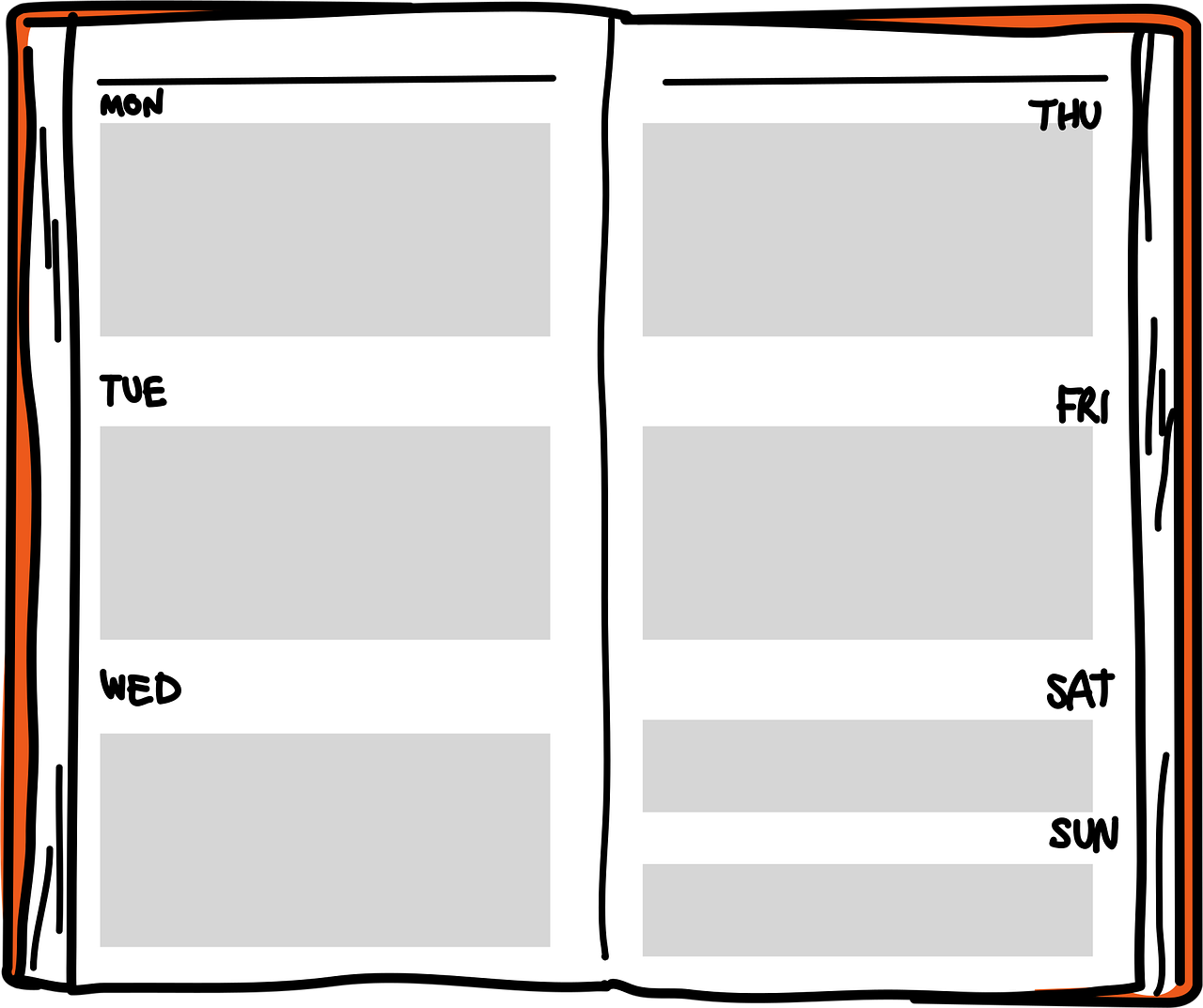
Creating a well-structured content calendar for LinkedIn is essential for optimizing audience engagement. To develop a successful LinkedIn content strategy, begin with understanding your target audience and their interests. Focus on what topics resonate with them and what questions they frequently ask. Once identified, brainstorm topic ideas that align with these interests. It’s beneficial to explore trending topics, industry news, and insightful content that can spark discussions. Additionally, consider the various formats you can utilize on LinkedIn, such as articles, infographics, or videos, to enhance your content strategy. Create a calendar layout by monthly themes that guide your content direction while being flexible enough to adapt to real-time events. Incorporate a mix of promotional and educational posts to keep your audience engaged without feeling overwhelmed by sales pitch content. Don’t forget to allocate promotional content strategically, ensuring a proper blend with valuable insights. Always measure the performance of each post to refine future content. Resist the temptation to force-feed data; instead, prioritize quality over quantity. Encourage feedback from your audience and be open to adjusting your approach based on their comments.
Tools for Content Scheduling
When managing your LinkedIn content, utilizing the right scheduling tools can significantly simplify the process. Many tools enable you to plan your posts in advance, ensuring consistent messaging and engagement. For instance, platforms such as Buffer or Hootsuite allow users to not only schedule content but also analyze engagement metrics. Start by setting clear goals for your content to determine how often to post and what types of posts work best. Review what your audience enjoys and optimize your posting schedule based on peak engagement times. Your LinkedIn content calendar should not only outline post dates but also account for relevant hashtags, mentions, and links that will enhance visibility. When crafting your posts, consider allocating time for revising and proofreading to ensure professionalism. A neat content calendar acts as a roadmap, guiding you through post adjustments and collaborations. Regularly evaluate the success of scheduled posts to gain insights into performance trends. Finally, remember to remain adaptable; markets change, and so should your strategies. This adaptability alongside effective planning can drive substantial engagement and results, allowing your LinkedIn presence to flourish organically.
Consistency is key when planning and scheduling content on LinkedIn. By having a consistent posting schedule, you train your audience on when to expect new content, engaging them effectively over time. It’s also essential to maintain quality in your posts, focusing on relevance and value delivery. Consider integrating various content types, including long-form articles and quick updates, to cater to different audience preferences. Start by determining the optimal frequency of your posts; daily, weekly, or bi-weekly schedules all have their benefits. Test which frequency resonates with your audience’s engagement patterns. Moreover, leverage the analytical tools provided by LinkedIn insights to track metrics such as views, likes, and shares. These metrics guide adjustments to both content type and posting frequency. Collaborate with your team or peers for fresh insights or guest contributions that can enrich your content variety. Regular brainstorming sessions can help maintain creativity and prevent mundane repetitive posts. By continually refreshing your approach while sticking to a core posting schedule, you boost audience participation and maintain a lively LinkedIn presence. This dynamic strategy ensures you remain relevant while promoting professional connections effectively.
Engaging with Your Audience
Engagement isn’t just about posting; it’s also about actively interacting with your audience. When someone comments on your content, take time to respond and foster relationships. Acknowledging your audience builds trust and encourages ongoing dialogue. Use polls, questions, and calls-to-action to prompt reactions and comments from your connections. Engaging actively also allows you to gauge the interests of your audience, guiding future content. Furthermore, consider resharing relevant articles and posts from industry leaders or colleagues to diversify your content while establishing your presence as a thought leader in your field. Remember to tag contributors in your posts, giving them visibility and driving reciprocal connections. A thoughtful, engaging approach can attract more followers who appreciate conversation and informative content. Always remain authentic in your interactions; this transparency resonates well with audiences looking for genuine connections. Interest and authenticity will set you apart in the crowded LinkedIn space. Experiment with various engagement tactics, analyze results, and continue refining your approach to suit your audience best. Keeping lines of communication open fosters a community that keeps coming back for information and connection.
To effectively execute your LinkedIn content strategy, utilizing analytics is vital. By tracking how your posts perform, you can uncover valuable data that directly informs your planning. This data includes metrics such as post engagement rates, share counts, and demographic insights into your audience. Employ these insights to fine-tune both the timing and content type of your posts. Regular performance evaluations help identify which posts generate buzz versus those that fall flat, allowing you to focus on high-engagement topics. Tools like LinkedIn Analytics can provide in-depth reports on how every piece of content is performing, highlighting what your target audience finds most engaging. Visualize data trends using graphs and reports for easier interpretation and strategizing. Use these findings to develop a personalized content calendar that capitalizes on high-traffic days and relevant trending topics. Consistent evaluation also ensures you don’t become stagnant in your approach; things change, and so must your strategy. Remember that analytics should guide—not dictate—your content strategy, enabling a blend of creativity and data-driven decision-making. This balance can ultimately enhance your position as an industry leader on LinkedIn.
Sharing and Promoting Your Posts
After scheduling and crafting your LinkedIn posts, the next step is effective sharing and promotion. It’s essential to use the right distribution channels to maximize reach. Reshare your posts in relevant groups or via direct messages to select connections who may find your content valuable. Tagging individuals or companies discussed in your posts can also expand your visibility and encourage them to engage with your content. Consider establishing a routine to share your content at optimal times based on audience engagement data. This ensures your posts reach more users when they are active on the platform. Use compelling visuals and headlines to draw attention, making your posts stand out among competitors. Visual elements significantly enhance engagement, ensuring users stop scrolling when they see your content. Engage with comments genuinely, expressing appreciation and sparking further discussions. Consistency in promoting your content not only enhances visibility but establishes your brand as a reliable source of valuable insights. This approach fosters community ties and reinforces audience loyalty. In the rapidly changing LinkedIn landscape, a thoughtful sharing strategy is paramount for increasing engagement and outreach.
In conclusion, scheduling and planning your LinkedIn content calendar is crucial for a thriving presence on the platform. By combining consistency, engagement, and effective promotion, you set up your content strategy for success. Take time to understand your audience deeply; this will inform your topic choices and posting frequency. Utilize tools and analytics to refine your strategy continually, ensuring you’re making data-driven decisions. Engage actively with your network by responding to comments and initiating discussions. Strive for a balance between informative and promotional content to keep your audience engaged. Regularly evaluate the impact of your efforts, adjusting your approach based on performance metrics. Leveraging insights gained from analytics can greatly influence your future content themes and formats. This ongoing cycle of planning, executing, analyzing, and adapting will keep your content fresh and relevant. Furthermore, being adaptable ensures that your content strategy not only survives but thrives in the ever-evolving LinkedIn space. Remember, while content is king, engagement and community building form the kingdom. By prioritizing these elements, you lay the groundwork for a formidable LinkedIn content presence that fosters professional growth.
Successful LinkedIn marketing hinges on your capacity to forge meaningful connections and maintain active participation within your professional network. By prioritizing quality in your content and engagement, you can enhance your influence in your field and drive your career forward.