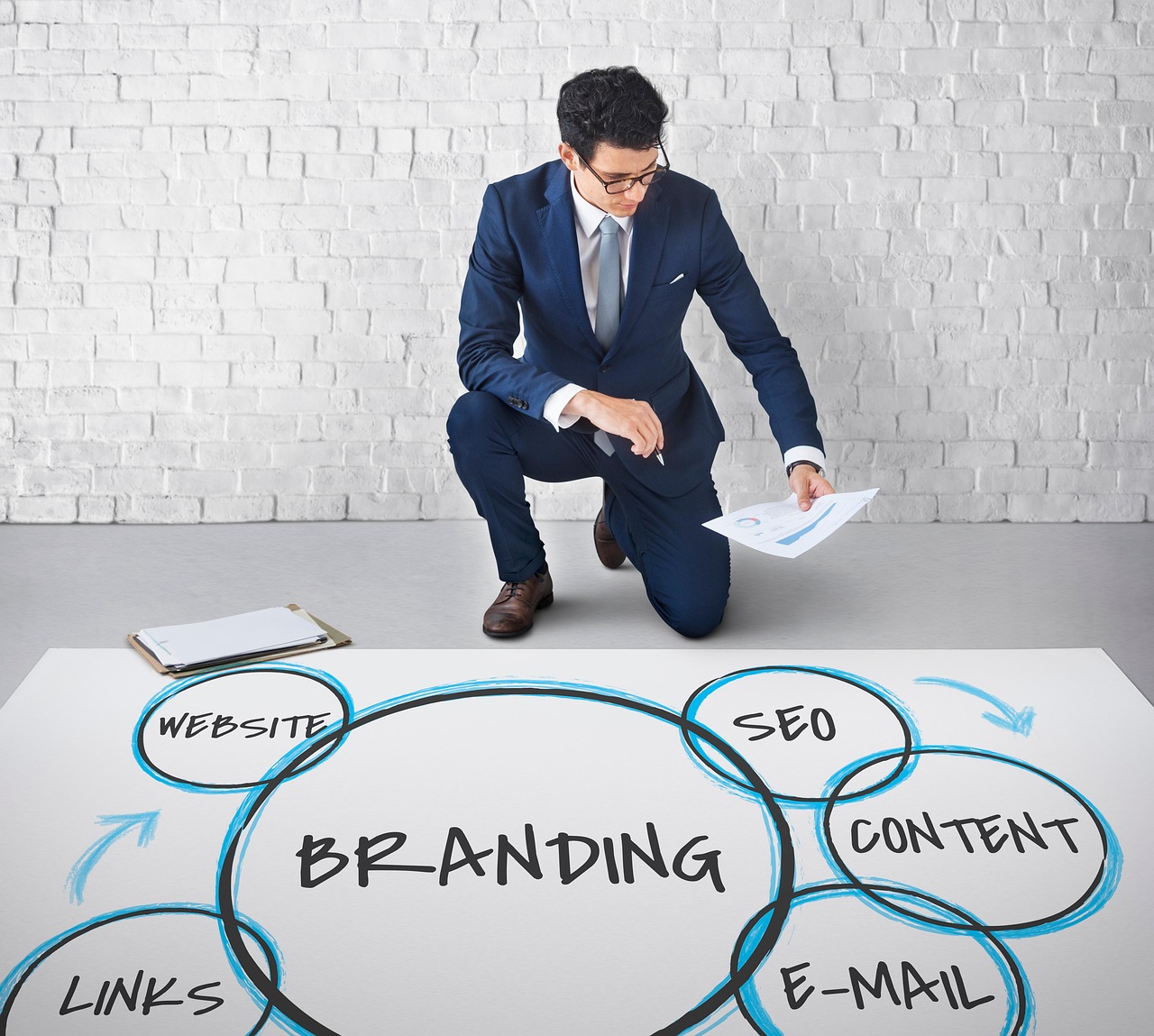

Analyzing Competitors to Refine Your Personal Brand Strategy
Establishing a strong personal brand requires ongoing research and adaptability. One effective way to refine your brand strategy is by analyzing competitors within your field. Begin by identifying key competitors who resonate with your target audience. Look for those who have successfully built their brands and whose values align with yours. Take note of their visual branding and messaging style, as both play an important role in shaping perceptions. While analyzing, consider their online presence, including social media profiles and websites. Examine their engagement levels: what type of content generates interactions? Evaluating these competitors can provide valuable insights into successful strategies and potential pitfalls to avoid. Additionally, pay attention to the audiences they attract; understanding their demographics can help you tailor your approach. By understanding competitor strengths and weaknesses, you can strategically position yourself. Utilize tools like social media analytics and SEO metrics to gather quantitative data. This ensures your personal branding efforts are informed and effective. Ultimately, the goal is to create a unique brand identity that sets you apart while resonating with your target market effectively.
Another vital aspect of competitor analysis is understanding the content they produce. Identify what topics they focus on, the format of their content, and how frequently they post. This can reveal gaps in the market or areas where you might provide a unique perspective. For instance, if competitors often discuss broad subjects, you might niche down to a specific subject related to your expertise. Analyze their engagement: are audiences sharing or commenting on the content? This feedback can provide insights into your own content strategy. Assess the tone and voice they use to communicate. A professional tone might attract a certain demographic, while a casual voice might engage another. Experimenting with these styles can help define your voice. Evaluate competitors’ calls to action, determining which prompts lead to higher engagement and conversions. Key questions to ask include: What strategies do they implement for audience building? What platforms are they using effectively? Create a list of best practices observed from competitors and integrate them into your strategy. Specifically, adapt tactics that align with your Authenticity while ensuring you don’t lose sight of your original brand positioning.
In addition to analyzing content, observe how competitors engage with their audience. Are they responding to comments, asking for feedback, or hosting live sessions? This engagement fosters a sense of community and loyalty among their followers. By understanding these interactions, you can implement similar tactics. Create opportunities for engagement, such as Q&A sessions or community polls, to connect deeper with your audience. Furthermore, consider their partnerships and collaborations. Analyzing how competitors collaborate with influencers or brands can offer insights into networking effectively. Identify potential partners who might align with your values and target audience. On the other hand, notice if competitors are engaging in events or active collaborations that raise their visibility. Participating in relevant industry events can also amplify your personal brand. Evaluate how successfully they leverage these events in their branding strategies. Additionally, consider competitor customer service. Timely responses and high-quality support can enhance brand loyalty. Gather data on how competitors maintain a positive brand image through customer interactions. By refining your approach based on competitor insights, you can enhance your brand positioning. This fosters a robust personal brand that resonates in your niche.
Leveraging Social Proof in Your Branding
Social proof can be a powerful tool when analyzing your competitors. Observe how they utilize testimonials, reviews, and accolades in their branding. These serve as endorsements that build trust among potential clients. Establish a system to collect and showcase similar social proof. User-generated content enhances credibility; ask your audience to share their experiences with your brand. Highlighting customer stories and feedback can further engrain your brand within the community. Examine how competitors present their qualifications or achievements. Presenting accolades creatively can set you apart. For example, featuring certifications or awards prominently in your branding could elevate your status among potential clients. While researching competitors, note any unique promotional strategies, campaigns, or initiatives they employ. These innovative approaches might inspire you to experiment with unexpected tactics within your branding efforts. Staying updated on industry trends is crucial; this allows you to adapt your personal brand to shifting audience preferences. Find ways to position your brand as a thought leader. Producing educational content can enhance your credibility, presenting yourself as knowledgeable in your field. Ultimately, being mindful of competitors’ use of social proof can refine your own strategy.
When analyzing your competitors, ensure you also set your objectives before diving deep into data. Having clear objectives aids your focus and allows for measurable analysis. For instance, if your goal is to enhance your social media presence, track metrics such as engagement rates or follower growth. Create benchmarks based on competitors’ performances and identify where you could excel or need improvement. Observing how your competitors adapt to changes in their industry can also reveal strategic insights. Pay attention to their reaction to emerging trends or changes in consumer behavior. The ability to evolve your personal brand in response to such shifts is critical for long-term success. Regularly perform competitor analysis to stay informed and agile. Build a reporting system that summarizes findings, making it easier to reference insights at a glance. You might choose to analyze competitors quarterly, which allows for adjustments based on ongoing trends and developments. It also keeps you accountable to your branding goals. In doing so, ensure that your strategies always align with your personal values and mission, this will ultimately lead your brand’s distinct and genuine growth, free from possible confusion or misalignment.
Continuous Improvement Through Feedback
Feedback loops are essential when refining your brand strategy. Consider soliciting feedback from clients, peers, or mentors to gain perspective on your brand’s strengths and weaknesses. Conduct regular surveys or informal check-ins to gauge how your audience perceives your brand. Compare this feedback with the observations made during competitor analysis to identify common trends. If followers express a desire for more educational content, while competitors provide this, it may represent an area for you to enhance. Actively engaging with your audience paves the way for effective communication and transparency. Techniques such as A/B testing can help determine what types of content resonate most with your audience. Experimenting with different platforms, post lengths, or content varieties will refine your understanding of engagement metrics. This data-driven approach will aid you in making informed decisions about your branding strategy. The goal is to cultivate a dynamic personal brand that reflects adaptability while staying true to your core mission and values. However, avoid imitating competitors without adding your unique flair; instead, take inspiration and innovate your approach. This ensures your brand remains original, intriguing, and relevant over time.
Tracking your personal branding progress is crucial to understanding success over time. Set measurable key performance indicators (KPIs) that align with your brand strategy goals. Monitor metrics such as engagement rates, follower growth, or website traffic to evaluate how well your strategies are deploying. Additionally, consider leveraging analytical tools for deeper insights. Tools such as Google Analytics or social media dashboards can provide valuable data at your fingertips, allowing for regular evaluation of your branding effectiveness. Review your strategy regularly, making adjustments based on this data and subsequent competitor evaluations. Staying informed about changes within your industry and audience’s preferences will keep you relevant. Also, document your findings throughout your competitor analysis journey. Focusing on collective insights can reveal broader market trends, informing your branding strategy effectively. Consider whether your USP (unique selling proposition) remains clear in comparison to competitors; this can often shift over time. Take into account any noticeable changes in competitors’ strategies. By regularly tracking and reviewing your personal brand’s performance, you open avenues for continuous growth, ensuring that your brand remains impactful, genuine, and aligned with your overarching vision.
Conclusion: Making Competitor Analysis Work For You
In conclusion, analyzing competitors is an essential aspect of shaping and enhancing your personal brand strategy. It provides valuable insights into industry trends, audience preferences, and effective engagement methods that should inform your approach. By critically evaluating competitors, you can learn what works in your niche, avoiding trial and error, and ultimately saving time. Implement findings into your strategy while ensuring your unique voice is maintained; authenticity is imperative for a flourishing personal brand. By regularly updating your analysis, you position yourself as a dynamic brand, ready to adapt to changes and grow continuously. Always aspire to distinguish your expertise in a crowded marketplace; aim for innovation while keeping a pulse on competitor activities. Being proactive, open to feedback, and willing to pivot will enhance your brand’s success. By striving to improve based on insights gathered, your brand will likely resonate more strongly with target audiences. Lastly, this analytical approach fosters greater confidence in decision-making; thus, empowering you to craft a compelling and memorable identity that stands out among competitors. Consistently monitoring your progress will lead your brand towards sustained growth and recognizability.