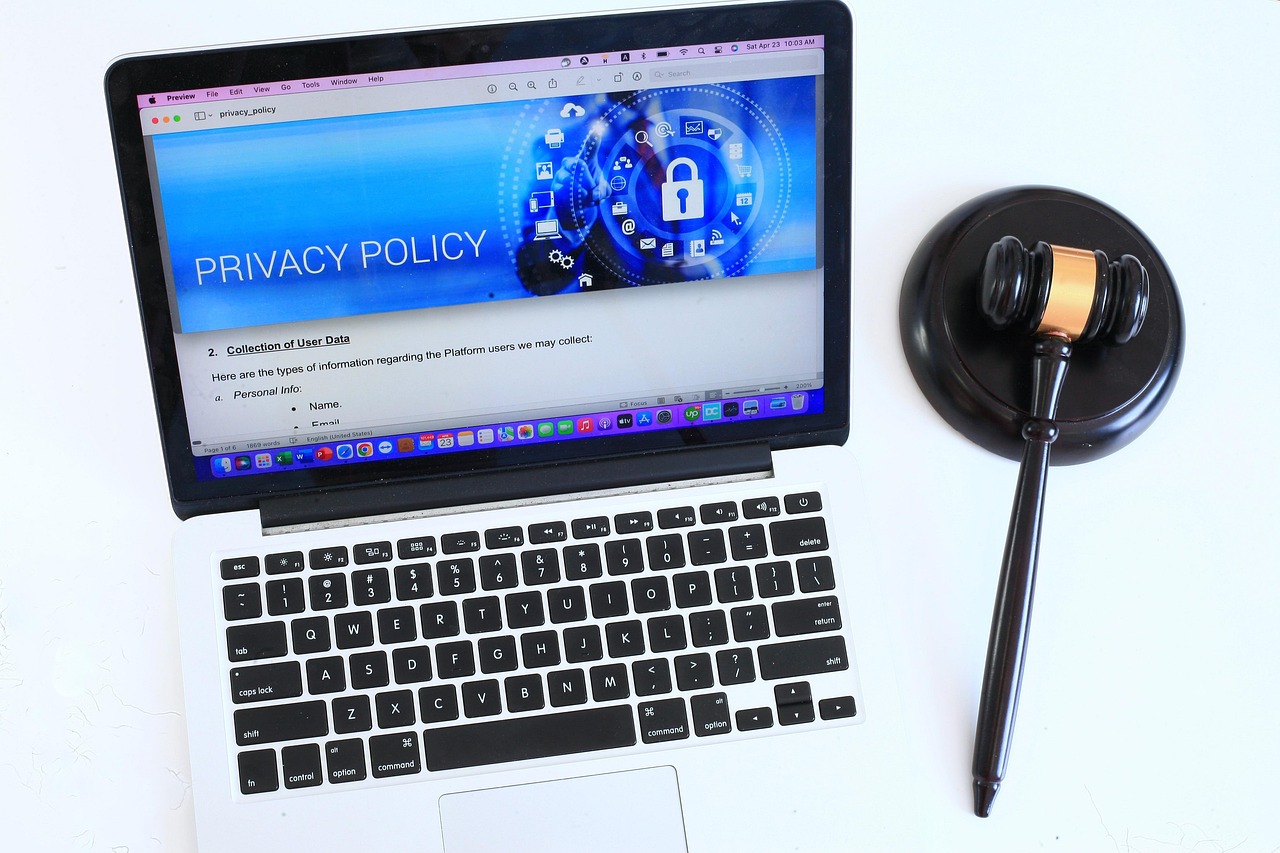

Addressing Privacy Concerns in Social Media Usage
The rise of social media platforms has transformed the way people communicate and share information. However, this transformation comes with significant privacy concerns that organizations must address. Implementing a Social Media Policy is crucial for establishing guidelines that protect user privacy while allowing for effective communication. At the core of such a policy is the ability to define acceptable practices regarding personal information. This includes specifying how to handle sensitive data and ensuring that employees are aware of their responsibilities. Furthermore, it serves to protect the organization from potential legal issues that may arise from misuse or mishandling of private information. A comprehensive policy can outline the types of information that should not be shared online, as well as the repercussions for failing to adhere to these guidelines. Ultimately, fostering a culture of privacy awareness helps mitigate risks associated with social media use. Customizing the policy to fit the organization’s unique needs ensures that all employees understand their role in maintaining privacy. By implementing thorough guidelines, the organization can better safeguard both its interests and those of its stakeholders.
A social media policy should clearly outline the objectives and intentions behind its creation. For organizations, communicating these objectives is essential to ensure alignment among staff. By fostering an understanding of the policy, employees can feel more empowered to engage appropriately on social media platforms while respecting privacy. Organizations must emphasize the importance of maintaining boundaries, such as distinguishing between personal and professional accounts. Additionally, providing specific examples of prohibited actions can help eliminate confusion regarding what is acceptable behavior online. This could include sharing confidential company information, posting inappropriate images, or using offensive language. Training sessions can be an effective approach to educating employees about this policy and its implications. During these sessions, employees can discuss real scenarios, allowing them to better understand the nuances of social media engagement. Moreover, it fosters an environment where individuals feel comfortable discussing their experiences and concerns. Ultimately, these training initiatives can reinforce the cultural significance of privacy in a digital context. Implementing a well-structured framework aims to encourage responsible usage and reduce the chances of privacy breaches across various social media platforms.
Establishing guidelines regarding employee interactions on social media is equally important. Organizations need to delineate how employees should represent themselves in a professional context. This includes guidance on the appropriate tone and interaction styles when communicating online. Encouraging a positive and professional image not only enhances the organization’s reputation but also boosts employee confidence. A crucial element to include is the notion of accountability, making it clear that employees are responsible for their online presence and the potential impact on the organization. By promoting transparency in social media use, organizations can preemptively manage risks associated with potential misinformation or negative representation. A social media policy should also address the issue of harassment or bullying, outlining procedures for reporting inappropriate behavior. Such measures create a safe environment for employees to engage both personally and professionally. Furthermore, it is beneficial to encourage employees to share valuable content that reflects positively on the organization while protecting their privacy. This could involve sharing company updates or industry-related news. Providing specific examples can guide employees in aligning with the organization’s values while maintaining their own online identities.
Regularly reviewing and updating the social media policy is essential to keeping it relevant in an ever-changing landscape. This should include monitoring advancements in technology and changes in privacy regulations. Without continual assessments, organizations risk falling behind and creating vulnerability to privacy breaches. Stakeholders need to stay informed about the latest trends and challenges that could impact their social media strategies. Engaging with team members to gather input during these reviews is invaluable, as employees often have practical insights into policy effectiveness. This engagement can enhance their commitment to upholding privacy standards. It’s also beneficial to analyze incidents of privacy breaches to learn from previous mistakes. Organizations can review case studies of both failures and successes to adapt practices accordingly. Taking proactive measures to refine the social media policy serves to reinforce an organization’s dedication to privacy. As new platforms emerge and evolve, adjusting policies can help maintain effective governance. Moreover, annual training sessions could be held to ensure that everyone is updated on changes and understands their implications. This dedication to improvement emphasizes an ongoing commitment to privacy within the digital communication space.
Balancing Privacy and Engagement
Finding the balance between allowing employee engagement on social media and protecting privacy is a delicate task. This requires organizations to establish clear boundaries to ensure that conversations remain respectful and professional while also fostering a vibrant online presence. Communication strategies can encourage employees to participate and advocate for the organization, but they must do so within the parameters set forth in the social media policy. This could mean engaging in discussions related to industry developments while being cautious about the company’s proprietary information. Encouraging employees to share successes or announce new initiatives can help promote a positive image, provided they do not violate privacy protocols. Communicating these expectations effectively is key to ensuring that employees understand the fine line between personal expression and organizational representation. Moreover, organizations can leverage employee advocacy to enhance credibility, bolster communication efforts, and foster a supportive culture. Tools such as content sharing platforms can assist in guiding employees on their sharing behaviors. Ultimately, providing employees with the means to engage without compromising privacy is vital for building a strong social media presence.
To further mitigate privacy risks, organizations can implement security measures that align with the social media policy. This begins with establishing secure accounts and utilizing settings that protect sensitive information. Regularly updated passwords, two-factor authentication, and monitoring of account usage are essential strategies for safeguarding accounts. Setting restrictions on who can share specific content can help prevent unintended exposure of confidential information, thereby preserving privacy across platforms. Additionally, organizations should educate employees about recognizing potential security threats, such as phishing attempts or other malicious activities that could compromise their accounts. Ensuring that group discussions remain private and ensuring that proprietary information is shared only with authorized personnel is crucial in maintaining confidentiality. Employees need to appreciate the potential repercussions of security breaches, emphasizing the importance of following established guidelines. By reinforcing these security measures, organizations can create a culture where privacy is prioritized. Furthermore, organizations must address any emerging technologies that could impact social media practices. Proactively adapting to new developments helps maintain privacy standards in the context of evolving social media dynamics.
Lastly, engaging with stakeholders to gather feedback on the social media policy is critical for its ongoing success. Inviting input from employees, clients, and partners allows organizations to identify potential gaps in their current framework. These insights could lead to improvements that enhance privacy and engagement strategies. Additionally, surveying stakeholders can reveal areas where employees may feel uncertain about their responsibilities. Addressing these concerns constructively fosters trust and demonstrates organizational commitment to protecting privacy. Cultivating an ongoing dialogue surrounding social media practices can ensure that stakeholders remain informed and engaged. Analyzing feedback can also guide future training initiatives to enhance understanding of privacy concerns. Organizations should strive to create a safe and inclusive environment for feedback to flow freely. This approach creates opportunities for collaboration, further strengthening the organization’s social media presence. Furthermore, inviting external consultants or industry experts can provide fresh perspectives on best practices. Through collaboration and engagement, organizations will be better equipped to adapt and evolve with changing expectations related to privacy in social media.
In conclusion, a well-defined social media policy addressing privacy concerns serves as a foundational element for organizations engaging in online communication. This policy serves to protect both employees and the organization itself from potential privacy breaches while fostering an environment that encourages responsible engagement. By clearly establishing guidelines and promoting awareness of privacy issues, organizations can create a culture that values personal and professional boundaries. Regular reviews and updates ensure the policy remains relevant and effective in addressing emerging challenges. Training sessions further contribute to a comprehensive understanding, empowering employees to navigate social media safely while promoting the organization’s values. Balancing engagement with privacy requires clarity in expectations and the establishment of secure practices. Encouraging employee advocacy while safeguarding confidential information enhances the organization’s credibility and reputation. By actively involving stakeholders in policy development, organizations can continuously refine their strategies in response to feedback, enhancing effectiveness. Ultimately, organizations must remain adaptable to the evolving digital landscape while prioritizing privacy, enabling them to thrive in their social media endeavors. The importance of these efforts cannot be overstated as privacy becomes a crucial focal point in the age of digital interactions.