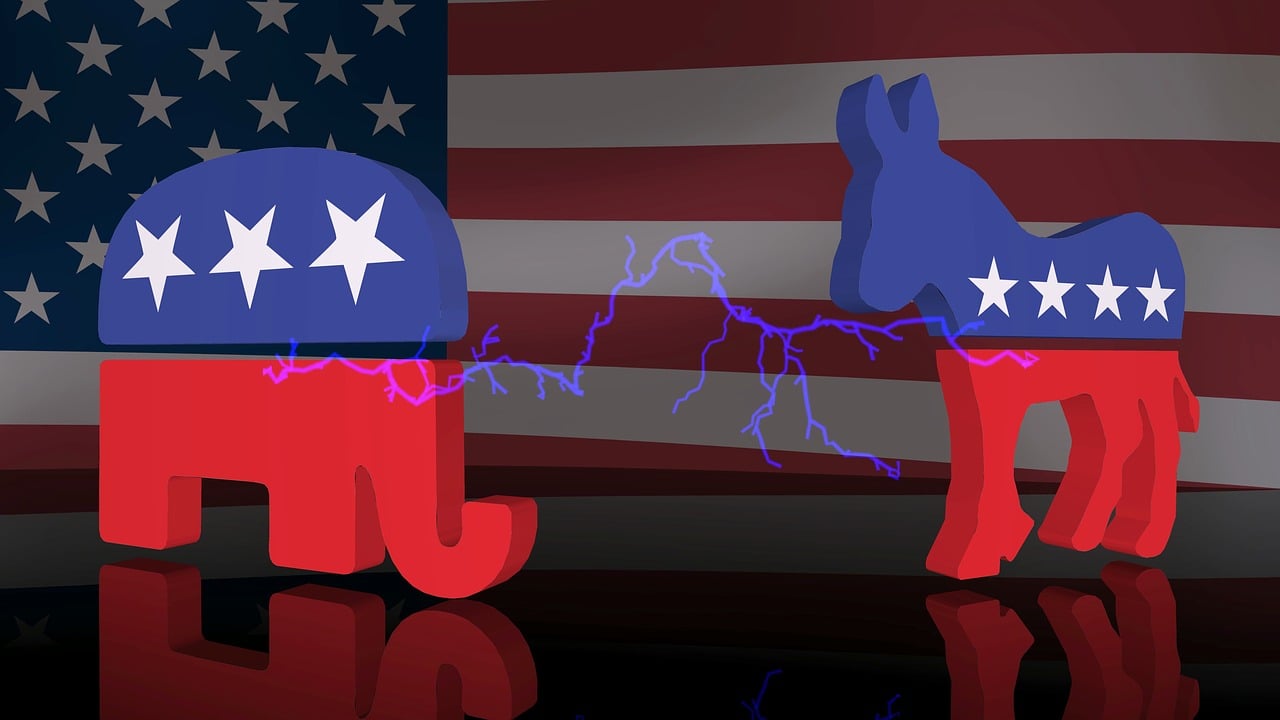

Case Study: Analyzing Social Media Crisis During a Political Campaign Debate
Political campaigns have increasingly seen social media becoming a double-edged sword. On one hand, it can be a powerful tool for reaching voters, while on the other, it can lead to significant crises. In recent years, several campaigns have faced backlash due to their social media strategies. These crises often stem from poorly thought-out posts, controversial statements, or damage control gone wrong. The speed at which news circulates online means that once a campaign is perceived negatively, it can be extremely difficult to recover. The immediacy of social media necessitates that campaigns be reactive and proactive simultaneously. This case study will analyze some of the most notable social media crises during political campaigns. By diving deep into these instances, we aim to extract valuable lessons and insights. An understanding of how social media crises emerge is crucial for campaign strategists. Furthermore, the implications for brand image and public perception can be long-lasting. Emphasizing the importance of crafting messages wisely will be essential, especially when addressing sensitive topics during a political debate.
When examining a specific instance of a social media crisis, the 2016 U.S. presidential campaign provides a rich ground for analysis. One significant event occurred during a debate when a tweet went viral mocking a candidate. This seemingly innocent post quickly spiraled out of control as followers began circulating meme-like graphics, all emphasizing the original tweet’s sentiment. The campaign initially underestimated the backlash, failing to respond promptly. This delay allowed the narrative to build momentum, capturing the media’s attention. The candidate’s camp eventually had to issue multiple statements, attempting to clarify their stance. Yet, the damage had already been done. By failing to manage their social media presence effectively, the campaign inadvertently fueled ongoing negativity. Experts suggest that immediate responses, even if not fully fleshed out, could mitigate backlash. As social media platforms evolve, understanding audience sentiment becomes imperative. Campaigns must invest resources to monitor their feeds constantly, prepare responses, and engage with their audience. Enhancing audience engagement is vital, particularly during crises, where each tweet, post, and comment can significantly impact public perception.
The Role of Rapid Response in Crisis Management
Rapid response in social media crisis management can’t be overstated. It often occurs when a user posts an inflammatory comment, leading to an avalanche of criticism and sharing online. In such instances, timing becomes a key factor in how situations develop. For instance, the candidate involved in the viral tweet quickly learned that letting public sentiment escalate can carry severe repercussions. A well-timed, transparent, and sincere response can sometimes turn the tides. However, a slow response often solidifies negative public sentiment. Campaign teams currently need to operate with agility; hence, employing crisis management personnel is now integral. These team members must be trained to act quickly and firmly when schedules could be disrupted by social media. Key performance indicators highlight the importance of monitoring engagement levels before, during, and after a campaign. Social media response strategies should involve quick assessments and monitoring for any engagement spikes. In stressful moments, campaigns without a clear action plan may find themselves adrift. Hence, developing a social media crisis strategy is a pivotal part of managing public relations effectively and ensures timely responses.
In addition to rapid response, the impact of media representation is another critical aspect of these crises. Media outlets often add their narratives to events unfolding in real-time. For instance, when a controversial statement was made during a debate by a political figure, social media users quickly amplified it. Traditional media outlets eagerly covered the story, which further fueled public outrage. Thus, the interaction between social media and traditional media cannot be overlooked. Campaigns must consider how their messages will be portrayed across various platforms. Automated responses to social media inquiries may come across as insincere, potentially provoking more criticism rather than diminishing it. Social media teams should prioritize personal engagement instead, responding authentically to user comments. Utilizing platforms to humanize candidates and address difficult topics can lessen fallout from social media crises. However, even this approach requires preparation in advance of potential pitfalls. Lessons from successful campaigns reveal that authenticity in engaging with followers can foster loyalty and understanding. It’s imperative to ensure the candidate’s character and vision resonate positively.
Lessons Learned from Social Media Crises
Analyzing past social media crises reveals critical lessons that future campaigns must heed. One notable example involved a candidate’s seemingly innocent remark that was taken out of context. The fallout resulted in a rapid spiral of mocking memes and discussions marginalizing the candidate’s message. This incident highlights the necessity for campaigns to prepare meticulous messaging strategies. Not all comments are received equally, and words can elicit varied interpretations. Campaigns ought to develop clear messaging guidelines that avoid ambiguity. Furthermore, decision makers should prioritize consulting with expert communicators before releasing any statements, particularly sensitive ones. This aids in ensuring that the chosen words align with the intended message while mitigating any potential backlash. Additionally, pre-emptive outreach to supporters can help establish a base that can defend the candidate during turbulent times. Educating campaign teams on the nuances of social media dynamics can foster better thought leadership, preventing similar critical missteps. Continuous education in media literacy is essential in preparing candidates for all possible scenarios.
The analysis of social media crises during political campaigns highlights the broader implications of potential fallout. A misstep can lead to long-term harm to a campaign’s reputation and its candidate’s credibility. Addressing messages that resonate poorly with target audiences can result in loss of essential voter trust. The core message of this case study emphasizes the importance of existing guidance when constructing responses. Transparency remains vital throughout, ensuring that citizens feel valued during crisis management efforts. Acknowledging wrongdoing may serve to bolster a candidate’s credibility in the eyes of voters. Campaign teams should also harness the power of analytics tools to assess the impact of online conversations. Identifying prevailing social media trends can also help in constructing effective communication strategies. Preparing for a variety of responses anticipates audience feedback. As political campaigns increasingly take place within this digital landscape, attention to detail regarding social media management becomes crucial. Through the lens of these recent incidents, the necessity of accountability, adaptability, and resilience has never been clearer.
Conclusion and Forward Strategies
In conclusion, the examination of social media crises during political campaigns reveals an intricate web of factors affecting public perception. As social media platforms evolve and change, campaigns must remain vigilant and responsive. Building a proactive framework to address potential crises before they arise can save campaigns valuable time and resources. The key takeaway is that thorough preparation empowers campaigns to counteract negative narratives effectively. By establishing a loyal base and addressing concerns head-on, candidates can create a more resilient reputation. Continuous engagement throughout a campaign ensures that voters feel connected to candidates. Simultaneously, learning from the mistakes of previous events provides a solid foundation for improvement. Future campaigns need not only to monitor sentiment but also to engage authentically and empathetically with audiences. With a solid plan in place for managing social media, candidates can bolster their integrity while serving their public. Importantly, the close analysis of crises signifies the necessity of transparency and authenticity in every message shared in the digital era. Ultimately, embracing these principles leads to more robust and trustworthy candidates in the political arena.
Taking into consideration the lessons learned from past experiences, political campaigns can enhance their overall strategies. Evaluating perceptions of crises and understanding broader public sentiment will amplify candidate narratives positively. Successful campaigns will use social media to not only communicate policy positions but also engage voters on a personal level. In this digital age, where change can happen in an instant, pondering effective responses and adapting strategies beforehand is critical for success. By implementing these insights, future campaigns can navigate the tumultuous waters of political discourse while being equipped to address challenges head-on. In essence, understanding how to utilize social media effectively, combined with empathy and strategic foresight, can significantly influence voter engagement and civil dialogue. The analysis of these case studies underscores the evolving nature of political communication in today’s society. By crafting tailored content that resonates with followers, candidates can build sustained relationships with their audience. Rather than shying away from social media discourse during crises, embracing authenticity will yield a more fruitful outcome. In preparing for future elections, campaigns must strive to learn from the past to instigate a more effective and open political conversation.