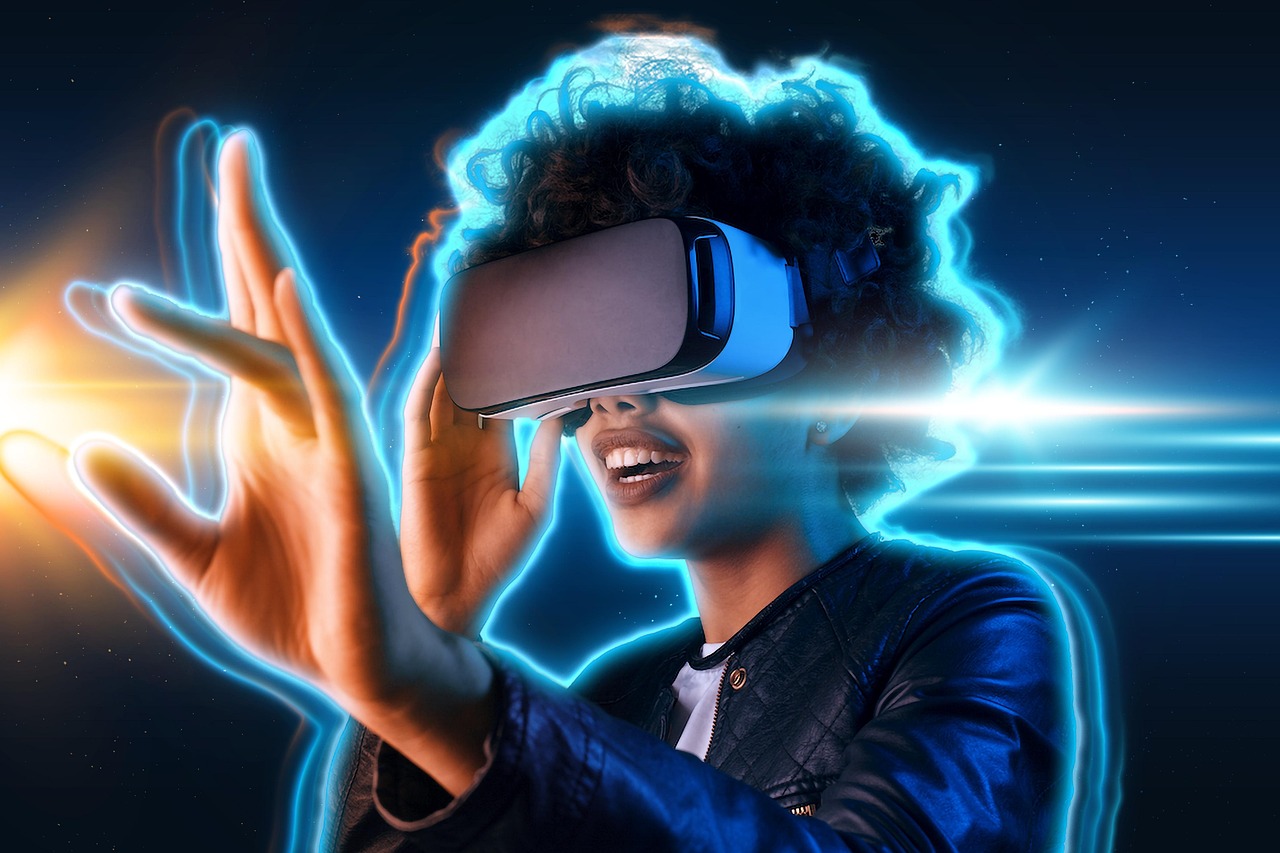

Leveraging AR and VR in Visual Content for Branding
In today’s digital landscape, brands are continuously seeking innovative methods to differentiate themselves. One effective approach involves integrating Augmented Reality (AR) and Virtual Reality (VR) into visual branding strategies. By creating immersive experiences, AR and VR can engage consumers like never before. These technologies offer unique interactions that traditional media cannot match. Users can visualize products in their environment without physical presence. For example, a customer can use AR to see how a piece of furniture looks in their home. Brands should experiment with these technologies, considering which types of visual content resonate most with their target audience. Whether through social media platforms or dedicated apps, the goal remains the same: enhance customer engagement. Furthermore, storytelling becomes more impactful when melded with AR and VR. By pulling consumers into a brand’s narrative, these experiences can foster loyalty and a stronger emotional connection. This article will explore various ways brands can utilize AR and VR for enhanced visual branding, providing several impactful examples and strategies that can lead to successful outcomes.
As brands contemplate incorporating AR and VR, visual storytelling is crucial in showcasing products or services effectively. Visual content that engages emotionally will leave a lasting impression. Brands using VR can create experiences where consumers feel part of the brand story. This immersion provides a deeper connection than traditional marketing methods. For instance, a travel company can create a virtual tour of a destination, allowing potential customers to explore visually before deciding to book a trip. In contrast, AR could enable users to scan products to access rich multimedia content, providing additional context or usage ideas. This hyper-reality makes brands memorable and encourages sharing on social media, thus increasing organic reach. Enhanced user-generated content opportunities arise through AR and VR, where fans can create authentic content supporting a brand. Engaging with consumers through these experiences means creating visual assets that consumers are eager to share. The overall effect of integrating these technologies in visual branding can lead to increased conversion rates and brand advocacy, making AR and VR worthy investments for forward-thinking brands looking to stand out.
Creating Interactive Campaigns with AR and VR
Interactive campaigns utilizing AR and VR technologies are gaining traction for their ability to capture attention and ensure a memorable experience. Brands can design campaigns that invite users actively instead of passively consuming content. For example, a cosmetics brand could develop an AR filter that allows users to virtually try makeup products. This interactivity not only engages users but also drives them towards purchasing. Additionally, VR offers an immersive way to educate users about products. Brands can create virtual scenarios where consumers can learn about product benefits in a compelling narrative. Research indicates that interactive experiences foster better retention and recall rates, essential for any branding strategy. Moreover, campaigns can be structured to encourage sharing, thus broadening a brand’s reach. Social media platforms are suitable for this kind of content, allowing quick and easy sharing among peers. AR and VR can also help brands to differentiate themselves in crowded markets. As competition increases, the deployment of these technologies becomes vital to stay relevant and appealing to consumers. Overall, creative interactive campaigns can significantly elevate a brand’s presence in their respective industry.
Another innovative method for leveraging AR and VR in branding is through gamification. By incorporating game elements into branding strategies, brands can create fun, engaging experiences that encourage participation. For example, a food brand could design a VR game where players follow recipes, promoting the brand’s products in an enjoyable format. Gamification not only entertains users but also encourages learning about products in a memorable way. One potential outcome of this approach is increased brand loyalty, as customers associate positive experiences with the brand. Additionally, brands can offer rewards for participation, motivating consumers to share their engagement with the brand on social media. This sharing amplifies outreach while fostering a community around the brand. When consumers feel part of a game experience, they are likely to develop a stronger emotional connection with the brand. Furthermore, measuring engagement in gamified experiences provides valuable data for refining strategies. As AR and VR technologies advance, brands employing these techniques will have the advantage in capturing today’s digital-savvy audiences effectively.
Enhancing User Experience with AR and VR
Improving user experience is a priority for brands, and AR and VR can significantly contribute to achieving this goal. The seamless integration of these technologies into a brand’s visual strategy can create experiences that delight users. For instance, AR applications enable users to personalize products, such as customizing shoe designs before making a purchase. This feature makes the shopping experience more enjoyable and engaging. It allows consumers to interact directly with products while eliminating uncertainties about their choices. VR can transform the shopping landscape by enabling virtual stores that offer a unique browsing experience. Users can navigate through vibrant virtual aisles, experiencing products in a fully interactive environment. This innovation encourages exploration and spontaneity in buying decisions, contrasting traditional, static websites. Both AR and VR offer brands an opportunity to gather user feedback in real-time during interactions. Such insights can help brands iterate on product offerings and refine visual content strategies. As user experience continues to drive consumer behavior, investing in immersive technologies can yield significant benefits for branding efforts.
As brands navigate the incorporation of AR and VR, collaboration with technology partners becomes vital. Brands may not possess in-house expertise to create AR and VR content from scratch. Collaborating with specialists can ensure high-quality experiences that resonate with target audiences. Companies offering AR and VR solutions usually possess knowledge of best practices and emerging trends. Establishing clear communication regarding objectives, target audience, and brand values is essential in forging successful partnerships. Additionally, these partners can help brands with the technical aspects of deployment, ensuring a smooth integration into existing platforms and marketing strategies. Testing and user feedback loops can optimize the final product before full-scale launch. Furthermore, evaluating metrics post-launch will provide valuable insights on the effectiveness of AR and VR initiatives. Brands should remain agile, ready to adapt content based on consumer interactions and preferences as they evolve. Partnerships can enable brands to leverage cutting-edge technology, maintaining a competitive advantage in visual content creation, ultimately leading to successful branding outcomes.
Future Trends in AR and VR for Branding
The future landscape of branding is likely to be heavily influenced by advancements in AR and VR technologies. Emerging trends indicate that brands will increasingly adopt increasingly sophisticated immersive experiences to differentiate themselves. With the maturation of hardware capabilities, VR experiences will become more accessible and affordable for consumers. Similarly, AR will see better integration into everyday devices, such as smartphones, making it more widely usable. As this happens, brands will need to respond by continually evolving their strategies to keep pace. Customization and personalization will likely play significant roles as consumers seek unique experiences that reflect their preferences. Moreover, the lines between digital and physical retail experiences will become blurred, further integrating AR and VR into the shopping journey. Strategies that seamlessly incorporate both technologies are essential as consumer expectations evolve. Data privacy concerns will also be pertinent, necessitating transparency in how brands collect and utilize data from users. Identifying these trends early and adapting accordingly can help brands leverage AR and VR effectively, ensuring sustained relevance in an ever-changing market.
In conclusion, the effective use of AR and VR in visual content strategies can create powerful branding experiences that resonate with consumers. These immersive technologies provide unique engagement opportunities, differentiating brands in saturated markets. Brands must focus on quality and creativity to maximize positive outcomes in their campaigns. As they combine traditional branding elements with innovative approaches, they can capture consumer attention and create loyal brand advocates. Remember, the key to success lies in understanding audience preferences and delivering content that aligns with their interests. Testing and iterating can optimize user experiences, ensuring the final product is not only appealing but functional. Social sharing plays a vital role in amplifying reach, benefiting from user-generated content that can naturally extend brand narratives. Leveraging partnerships with technology specialists can ease the integration of these solutions while enabling brands to stay ahead of technological shifts. The ever-evolving landscape of AR and VR provides fascinating opportunities for brands willing to innovate and experiment. Embracing these trends now will place brands in advantageous positions for future growth and visibility.