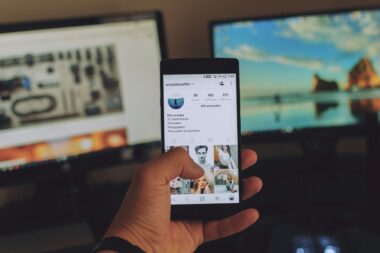

Device Usage and Its Effect on Social Media Share Rates
In today’s digital landscape, device usage holds substantial sway over social media share rates. Understanding how different devices influence user engagement can unlock potent strategies for brands. Users interacting via smartphones often have shorter attention spans, leading to a unique set of behaviors. Most users engage in social media during daily commutes or short breaks. Consequently, businesses must ensure that their content is optimized for mobile displays, echoing the need for brevity and impact. Studies indicate that posts shared on mobile devices achieve a higher share rate due to quick consumption and ease of accessibility. Conversely, desktop users tend to engage with longer-form content. Therefore, aligning content types with devices is imperative for enhancing share rates. Marketers should also explore the nuances of how device specifications affect media consumption. For instance, screen size may alter how visuals are perceived. In brief, understanding device usage profiles not only clarifies user preferences but also provides opportunities for tailored marketing efforts across platforms. Capitalizing on device-specific strategies emerges as a critical pathway to augmenting social media effectiveness.
With mobile devices dominating internet usage, social media platforms have adapted to leverage this shift effectively. It is essential to analyze how users interact differently with their devices when using social media. Recent reports indicate that approximately 80% of social media time occurs on mobile devices, which has significant implications for marketers. On mobile, the focus is on immediacy and visual appeal, while desktop interactions allow for more browsing and deeper content engagement. Brands need to create visually rich content that captures attention quickly on mobile platforms. Features like short videos and striking images can enhance shareability on these devices. Furthermore, the integration of social sharing buttons into mobile platforms can facilitate smoother sharing. Also, studies show that content designed for mobile shares more widely than desktop content. Nicely designed mobile interfaces can directly impact users’ tendency to share content. Accessibility, speed, and user interface on mobile also influence share rates by allowing seamless navigation. Therefore, businesses must embrace a mobile-first strategy that emphasizes quick-loading and visually compelling content for higher social media share rates.
The Complexity of User Behavior by Device
Device-specific user behavior is a topic of significant importance among digital marketers. When breaking down share rates, user engagement varies extensively between mobile and desktop platforms. Mobile users tend to engage rapidly with straightforward content while often shying away from complex narratives. This disparity indicates that brands must pinpoint their audience’s preferred platforms keenly. Data supports that mobile content characterized by sharp visuals and concise messaging drives more shares. Features like swipe interactions and quick-loading videos cater seamlessly to mobile user habits. On the other hand, desktop users often engage in extensive reading and exploring content before sharing. Such behaviors denote an opportunity for brands to produce in-depth articles, guides, or blogs that cater specifically to desktop engagements. Success lies in recognizing these behavioral differences and tailoring content accordingly. Marketers should analyze insights derived from analytics tools to craft strategic approaches. This intelligence enables brands to pivot their tactics based on whether their audience primarily uses mobile or desktop, thus maximizing share rates. A comprehensive understanding of user behavior by device is key to designing effective content strategies.
Another critical aspect of device usage is the impact of speed and efficiency on social media engagement. Mobile devices, despite their powerful capabilities, often face challenges like slow loading times or connectivity issues. Research indicates that users will abandon a post that takes too long to load, leading to decreased shares. Consequently, marketers must prioritize content speed by optimizing images and ensuring that website designs are mobile-responsive. Furthermore, user experience relies heavily on site usability. Ease of navigation ensures users can find and share content more effortlessly. This optimization fosters a positive experience that encourages sharing. Additionally, algorithm changes on major social media platforms stress engaging content, further emphasizing the need for efficiency. As algorithms prioritize content that retains users longer, ensuring quick access becomes vital. Incorporating features like one-click sharing can further enhance sharing capacity among mobile users. Marketers must become familiar with these nuances to refine their strategies effectively. Ultimately, speed and usability shape user experiences, significantly impacting social media share rates across devices.
Content Type and Its Relationship With Device Usage
The type of content shared on social media varies by device, influencing share rates accordingly. Platforms like Instagram and TikTok thrive on mobile due to their visual-centric formats. Engaging content such as photos, videos, and stories are much more likely to be shared on mobile devices. Comparatively, platforms like LinkedIn and Facebook prevail in desktop environments where users may indulge in articles or posts that require longer reading times. The internet’s emergence has shifted content consumption patterns significantly, with mobile devices facilitating visual storytelling. For brands, this necessitates creating visually appealing content strategically designed for mobile. Video content often garners higher share rates, particularly when shortened for mobile viewing. Marketers should explore how visual content resonates differently with mobile audiences. Interactive content such as polls or quizzes also leads to increased engagement and sharing on mobile devices. Therefore, understanding the relationship between content types and device usage is crucial for optimizing share rates. Tailoring approaches based on how users consume content creates immense potential for enhancing social media effectiveness across platforms.
User demographics must also clash with device usage in understanding how to engage users effectively. Younger demographics predominantly access social media via mobile, trending toward platforms like Snapchat and TikTok to communicate. In contrast, older users may prefer Facebook and LinkedIn, facilitating more desktop interactions. Marketers should pay close attention to these demographic trends. Insights reveal that younger users favor visually rich and fast-paced content, while older users often engage with more substantial narratives or informative posts. Tailoring content according to demographic factors is key to optimizing social media share rates. Advertisements aimed at younger audiences should incorporate graphics, memes, and trending themes to capture interest. Conversely, content targeted at older demographics will benefit from informative articles or guides. By embracing these demographic distinctions, brands can hone their messaging in a way that resonates. Implementing targeted campaigns based on these insights can propel engagement. Understanding the intersection between user demographics and device usage ultimately serves as an advantageous strategy for enhancing share rates across social platforms. Marketers must remain agile and adapt to shifting trends within these demographics.
The Future of Device Usage in Social Media
As technology evolves, the future landscape of device usage in social media is bound to undergo significant transformations. Emerging trends such as virtual reality (VR) and augmented reality (AR) are altering the nature of user engagement on social media platforms. Such immersive experiences will likely redefine the boundaries of content interactions, influencing how shares might occur. Marketers will need to adapt quickly to these trends in order to capture user attention effectively. Integrating AR features into mobile applications, for instance, can enhance shareability through engaging and interactive content. Observing how users adapt to these technologies will provide insights into future content strategies. Furthermore, advancements in mobile technology, including faster internet speeds and improved processors, will provide ample opportunities for the creation of rich multimedia experiences. While current trends suggest a leaning towards visual and interactive content, brands must remain adaptable in their strategies as user preferences shift. The fundamental principles of optimizing for device-specific engagements will persist, ensuring that as devices evolve, marketers continue to prioritize responsive design and intuitive user experiences, enhancing social media effectiveness in the future.
In conclusion, device usage plays a crucial role in shaping social media share rates. As we have explored, the differences in user behavior across mobile and desktop platforms require marketers to tailor their content approaches strategically. Key factors like content type, speed, usability, and demographic considerations must guide these strategies. Content designed for mobile audiences must be quick to access, visually compelling, and highly engaging, while desktop content can embrace deeper narratives and longer forms. Understanding user behaviors and aligning them with device type can drive enhanced shareability. Marketers must remain agile and responsive to evolving trends, especially with the anticipated integration of VR and AR technologies. Future social media strategies should regard device usage as multidimensional, aligning with technological advancements. A proactive approach to understanding these dynamics will enable brands to increase their share rates and engagement levels. Companies must prioritize resources effectively to create mobile-optimized content that resonates with audiences. Thus, the journey towards enhanced social media performance continues, and understanding device usage will remain an essential aspect of future marketing endeavors.