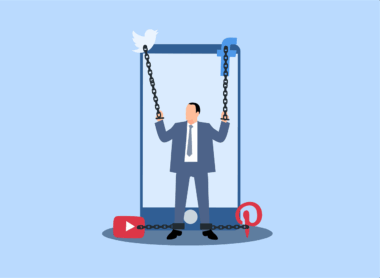

Strategies for Healthy Mobile Social Media Engagement
Mobile social media has transformed the way we interact with others online, providing opportunities for connection, expression, and information sharing. However, it can also lead to mental health issues if not used mindfully. To promote healthier engagement, individuals should consider setting limits on their social media use. Creating a schedule allows users to allocate specific times for checking updates instead of constant scrolling. Additionally, focusing on quality over quantity when it comes to friendships and interactions can enhance the experience. Engaging with positive content that inspires or uplifts is preferable to negative or sensational posts. Moreover, taking regular breaks from mobile devices can significantly improve one’s mental clarity and reduce anxiety. It’s important to engage in real-life activities and face-to-face interactions, which foster deeper connections. Engaging in hobbies outside the screen can help to balance one’s social life and reduce dependency on social media for affirmation. Overall, having a mindful approach increases the benefits that social media platforms can offer while minimizing their potential harms to mental well-being.
Another effective approach is to curate social media feeds consciously. Users should selectively follow accounts that align with their values and interests, contributing positively to their mental health. Unfollowing or muting accounts that inspire negative feelings or stress is crucial for emotional well-being. Regularly engaging with uplifting and supportive online communities can also help cultivate a healthier mindset. Participating in group discussions or forums focused on personal growth or mental well-being can provide a support system. Utilizing features such as the mute button or filters can tailor the feed to achieve a more positive online atmosphere. Social media platforms often provide personalization tools that can help enhance user experience. For example, turning off notifications helps reduce the compulsion to check feeds constantly. By limiting distractions and focusing on genuinely meaningful interactions, one can experience a sense of fulfillment. Furthermore, integrating offline activities like exercise or social outings enhances personal connections which can be easier to maintain without the social media influence. By fostering healthier habits, we can navigate mobile social media more successfully and with greater emotional resilience.
Understanding the Impact of Screen Time
Understanding how screen time affects mental health is essential for responsible mobile social media usage. Time spent on screens, particularly through social media, can influence mood, self-esteem, and overall mental health. Researchers suggest that excessive engagement can lead to feelings of inadequacy and loneliness, primarily when users encounter unrealistic portrayals of life on these platforms. To mitigate these effects, monitoring how long one spends on social media is vital. Utilizing apps that track usage can provide insights into habits and encourage changes when necessary. Setting specific goals for reduction can also help establish healthier routines. Furthermore, it’s beneficial to disconnect at least an hour before bedtime to promote better sleep and reduce anxiety. Reflecting on emotional responses after using social media is critical, especially if certain interactions trigger negative feelings. Thus, prioritizing personal reflection allows users to cultivate a greater awareness of their engagement patterns. By understanding these impacts, individuals can tailor their mobile social media habits to support rather than hinder their mental well-being effectively.
Additionally, fostering a supportive network offline can significantly enhance one’s mental health and buffer against the potential negative effects of mobile social media. Developing relationships built on trust and empathy can serve as an important counterbalance to social media interactions. Engaging in meaningful conversations and sharing experiences with friends and family helps reinforce social bonds that often feel absent in virtual communications. Regularly scheduling time to connect with loved ones outside the digital realm can cultivate a sense of belonging. Participating in community events or clubs provides opportunities for face-to-face interactions. It can also engage one’s passions more authentically than through the screen. Moreover, connecting with peers who share similar values fosters a sense of support and accountability. Engaging in activities once enjoyed can help to remember the importance of offline connections. Practicing gratitude regularly allows individuals to focus on positive experiences from daily life, further building resilience against negativity often found on social media. Emphasizing real connections will create a more fulfilling social life and potentially reduce excessive social media pressure.
Embracing Digital Detox
Incorporating a digital detox is another effective strategy for promoting healthy mobile social media engagement. Taking periodic breaks from screens allows individuals to refresh their minds and re-evaluate their social media habits. A digital detox doesn’t necessarily mean complete disconnection but rather creating intentional pauses throughout the day. Establishing a phone-free time during meals or while engaging in hobbies promotes more authentic experiences. During these breaks, individuals can invest time in activities that enhance physical and mental wellness, such as reading, cooking, or exercising. Engaging in hobbies allows for nurturing interests that may be overshadowed by social media. Additionally, scheduling a full day of digital detox every month can renew one’s relationship with technology. Participants can discover the world around them by focusing on the present moment rather than online notifications. As a result, individuals may find increased creativity and better mental clarity once they return to their devices. Ultimately, a digital detox enables individuals to manage their social media presence more consciously and intentionally, contributing to a healthier mindset overall.
Moreover, practicing mindfulness techniques can further enhance engagement with mobile social media in a healthy manner. Incorporating mindfulness practices helps individuals become more aware of their emotional responses when using social media. Meditation, deep-breathing exercises, and mindfulness can help cultivate a greater sense of presence. Such practices promote awareness and help individuals recognize the impact of their online activities on mental health. Engaging fully in the moment discourages mindless scrolling and encourages reflective thinking. Additionally, mindfulness encourages users to focus on their motivations for engaging with social media. Are they seeking connection or validation? Understanding these motivations fosters a healthier relationship with social media. Regularly practicing mindfulness can also help individuals manage anxiety and stress arising from social media rather than escaping through distractions. Learning to balance online interactions with well-being practices can create a harmonious experience. Overall, integrating mindfulness with mobile social media usage empowers individuals to foster a healthier connection while still enjoying its benefits.
Conclusion: Fostering a Healthier Online Community
Lastly, fostering a healthier environment within mobile social media can significantly impact overall user experience and mental wellness. Users can positively shape the online community by actively promoting kindness and support in interactions. Sharing messages of positivity and encouragement not only benefits the poster but also amplifies goodwill across the platform. Engaging with content that promotes mental health awareness and celebrating achievements contribute to a constructive atmosphere. Additionally, reporting harmful content helps maintain a safe space for users who struggle with mental health issues. Advocating for privacy and respectful boundaries creates a supportive online community. Influencers and content creators can also lead by example, showcasing healthy engagement and realistic portrayals of life. By collectively raising awareness, users can encourage healthy practices, contributing to a greater societal shift towards mental wellness. Integrating these practices helps foster a more sustainable and supportive online experience that enhances emotional resilience. Overall, the responsibility lies with all users to create a digital world where mental health is prioritized, ensuring a positive social media experience for everyone involved.
Through implementing these strategies, individuals can navigate mobile social media with greater intention and health. Being aware of screen time, curating content wisely, and promoting authentic connections offline serve as essential components. Engaging in a digital detox and practicing mindfulness enhances the overall experience while reducing stress. Fostering a supportive online community ensures that everyone benefits from a positive social media environment. By embracing these practices, users can transform their connection to mobile social media, primarily focusing on personal well-being and emotional health. Ultimately, prioritizing self-awareness and intentional use will allow individuals to enjoy the advantages that social media can provide without facing negative mental health consequences.