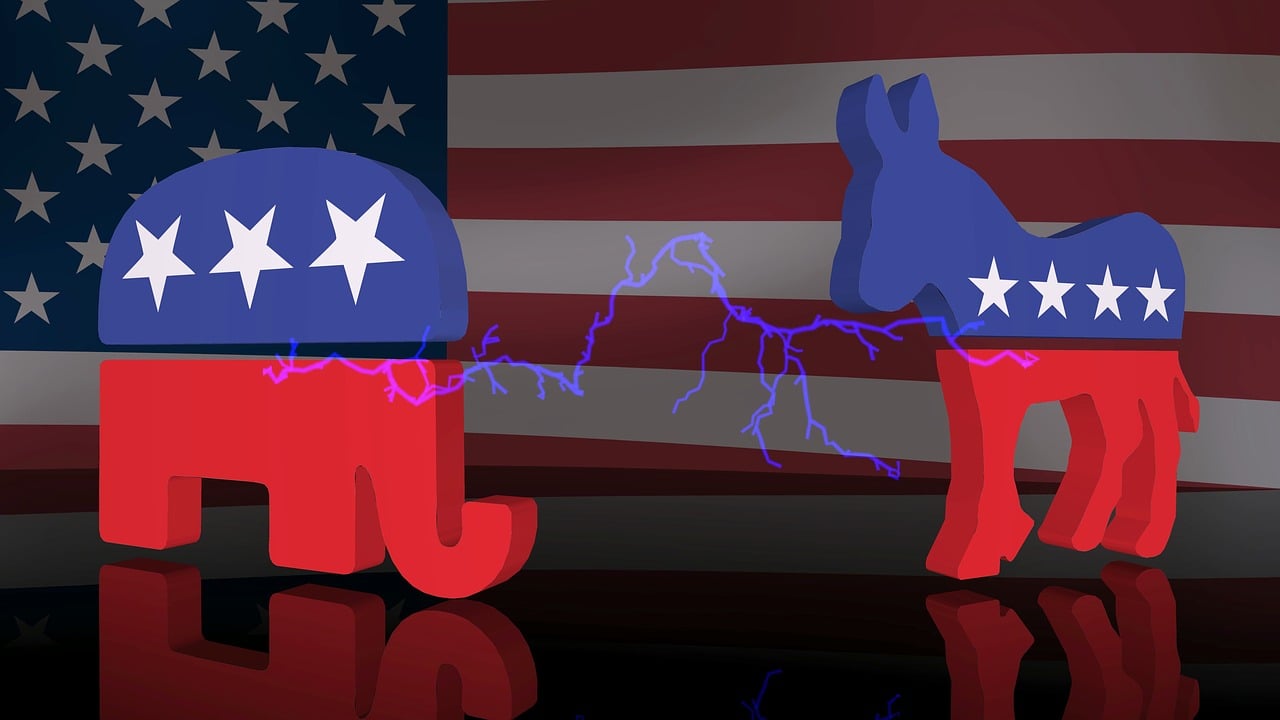

The Demographic Makeup of Followers by Political Affiliation
Understanding the demographic makeup of followers based on their political affiliation is increasingly relevant in today’s society. Political affiliation often shapes individuals’ worldviews, influencing how they interact with content and communities. Traditional categorizations include Democrats, Republicans, and Independents, but newer definitions also encompass more nuanced perspectives such as Green, Libertarian, and Social Democratic affiliations. Such diversity allows for a more comprehensive understanding of followers. Educators and stakeholders can develop targeted strategies by understanding the motivations behind political affiliations. This analysis enables companies to create policies and marketing initiatives that align with followers’ core beliefs. Additionally, awareness of political affiliations can promote inclusivity while designing content tailored towards various groups. For businesses aiming to foster engagement, considering followers’ political stances may lead to more personalized experiences. Utilizing survey data can improve targeting initiatives. However, it’s crucial to approach this subject respectfully, allowing dialogue among different viewpoints while maintaining core values of inclusivity and respect.
One significant aspect of understanding follower demographics is exploring age-related trends in political affiliation. Youth are generally more inclined to support progressive policies, while older individuals might lean towards conservative beliefs. This generational divide can create different expectations for communication styles and content delivery methods. Younger generations often prefer social media for their news, finding activism platforms through digital channels as opposed to traditional sources. In contrast, older demographics may rely on established media outlets. This creates a challenge for content creators and marketers needing to identify the most effective channels. Additionally, analytical methods must focus on the age brackets’ respective voting patterns. Surveys and studies reveal distinct preferences based on age criteria within political groups. Utilizing this information to segment audiences can increase engagement rates significantly by ensuring communication is relevant to the audience’s age and political stance. Understanding these nuances allows organizations to not only produce engaging content but also to foster broader discussions and represent diverse perspectives.
Moreover, regional differences play a pivotal role in the political affiliations of followers. The political landscape varies immensely between urban, suburban, and rural areas. Urban areas tend to favor liberal policies and progressive stances, while rural locations often exhibit more conservative views. This divergence creates distinctive follower bases within different geographical contexts. Organizations need to adapt their messaging and approaches to cater to these localized expectations. Implementing regional data analysis can provide insights into the political dynamics of various territories, guiding effective communication. Tailored strategies making use of local languages and cultural references become paramount in connecting with these diverse groups. Engaging local influencers who resonate with the audience can enhance trust and drive engagement. Regional banners or campaign messages may require modification to align with the specific political environment in a given area. This geographical sensitivity not only fosters connections but also strengthens community trust, leading to long-term relationships between organizations and their followers.
The Intersection of Gender and Political Affiliation
Another critical dimension in analyzing follower demographics is gender. Gender-related discussions about political affiliation reveal intriguing patterns in engagement and activism. Studies consistently show that women are more likely to identify with liberal or progressive movements, while men may lean towards conservative ideologies. These trends can be influenced by social conditions and historical contexts where gender roles come into play. For organizations looking to connect with diverse audiences, understanding these gender-based preferences is vital for shaping discussions and community-building efforts. The representation of women and gender minorities in political conversations can shape perceptions significantly. It’s crucial to emphasize inclusivity when addressing these demographics. Campaigns should celebrate diverse voices and promote equitable involvement in political discussions. Organizations might also consider implementing targeted content strategies that resonate with different gender identities. This entails highlighting prominent figures or successful initiatives emphasizing gender equity and representation. Female influencers can be instrumental in bridging connections with underrepresented communities, paving the way for broader discussions surrounding political engagement and participation.
Ethnicity emerges as a key variable when evaluating follower demographics across political affiliations. Various ethnic groups often exhibit differing political preferences, with historical factors influencing these affiliations. For example, African American and Hispanic communities may predominantly support Democratic policies due to shared experiences and collective historical challenges. Conversely, a significant portion of the white demographic shows varying preferences based on education levels and geographic regions. Understanding racial dynamics can help organizations devise strategies that promote higher engagement rates. Highlighting minority voices, advocating for equity policies, and building alliances with influential ethnic leaders can establish a thriving community. Organizations should therefore ensure their content and initiatives align with the values that resonate with these groups. Addressing issues such as social justice and economic equity can create a sense of inclusivity. Engaging these communities enhances not only the relations with followers but also elevates discussions around political engagement, ultimately impacting voter turnout and participation.
The Role of Education in Political Affiliation
The level of education also firmly correlates with political affiliation, impacting how followers approach civic engagement. Studies indicate that individuals with higher educational attainment often lean towards liberal viewpoints. This trend reflects a deeper understanding of complex social issues, economic policies, governmental systems, and environmental concerns. In contrast, individuals with lower education levels may gravitate towards conservative viewpoints, possibly shaped by locality and exposure. Organizations that aim to engage followers can benefit from recognizing this correlation, tailoring their content to accommodate varying information processing capacities. This can include simplifying complex policies, creating informative infographics, or engaging narratives that invite discussion. Moreover, developing educational initiatives that prioritize civic education may foster deeper political understanding among followers. Such efforts can also cultivate changes in political affiliation over time. Long-term strategies could involve collaborations with educational institutions, community programs, and grassroots initiatives focusing on enlightening constituents about their political rights and responsibilities. Ultimately, improving political literacy serves to empower followers regardless of current political affiliations.
Lastly, emotional intelligence should be at the forefront when discussing follower demographics in relation to political affiliations. The emotional components of political beliefs significantly influence engagement, leading to passionate dialogue. Understanding emotional responses allows organizations to craft messages that either resonate with followers or address contentious points with sensitivity. Recognizing that political matters can elicit strong emotional reactions is crucial in avoiding polarization. Therefore, content that utilizes empathy can bridge divides, inviting constructive conversations instead of encouraging hostility. Effective communication strategies should prioritize not only the dissemination of information but also foster community through understanding. Addressing political beliefs with compassion equips organizations to form authentic connections. Using open-ended questions, storytelling, or testimonials can evoke emotional responses that lead to engagement. This creates spaces where individuals feel comfortable sharing their views while feeling acknowledged and valued. Organizations can use this emotional intelligence to build rapport and trust among diverse followers, ultimately ensuring a stronger and more engaged community.
In conclusion, the demographic makeup of followers based on political affiliation provides a multifaceted view essential for understanding contemporary societal dynamics. The interplay between age, gender, ethnicity, education, and emotional responses forms the foundation of effective engagement strategies. By acknowledging these elements, organizations can create customized content that resonates meaningfully with diverse audiences. The challenge remains to approach political conversations with sensitivity, fostering an inclusive environment across differences. Engagement built on shared values while recognizing individual identities will fortify connections between organizations and their followers. These connections are fundamental in facilitating active participation in civic matters and can significantly influence political engagement. Continuous research and adaptation of strategies will ensure sustainable progress in addressing diverse political affiliations. Furthermore, embracing inclusivity and ensuring representation across demographics can drive social change and political awareness. Organizations can harness these insights to advocate for systemic change, promote engagement, or even stimulate discussions that challenge current norms. The commitment to understanding demographic complexities can enrich community building and create lasting impact.