
The Benefits of Pre-Planning Content Themes for Long-Term Growth
Content marketing is a strategic approach that requires foresight and organization. Pre-planning content themes can yield numerous benefits, particularly for long-term growth strategies. By mapping out themes, marketers can ensure their content aligns with audience needs, delivering targeted messages that resonate with them deeply. This approach not only enhances the relevance of content but also helps establish a cohesive identity across platforms. Moreover, effective planning allows brands to stay ahead of trends and shifts in audience interests, maintaining engagement over time. With clear themes in mind, teams can innovate on various content formats, from blogs and videos to infographics, maximizing their outreach potential. Such pre-planning enables the identification of seasonal topics, events, and industry developments, allowing timely content releases. Additionally, the process facilitates collaboration among team members, ensuring everyone is aligned on goals, preventing miscommunication. Consistent themes foster audience expectation and loyalty, creating an environment where followers are excited about future content. In summary, pre-planning content themes is essential for long-term success and audience building in an ever-evolving digital landscape. Brands committed to this practice will reap significant rewards from their investment.
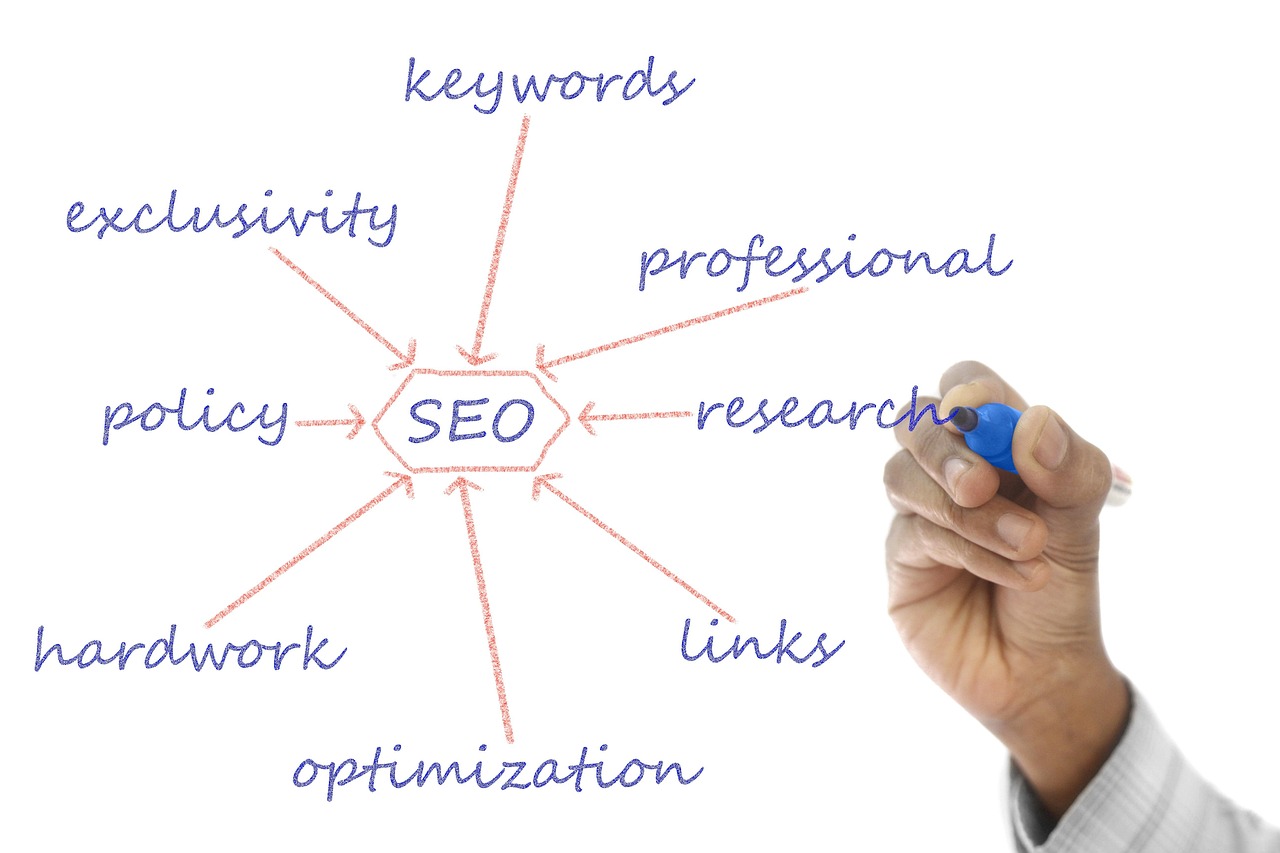
Maintaining a consistent brand image is crucial in today’s competitive market. By establishing clear content themes, businesses can better communicate their values and mission. This consistency not only enhances brand recognition but also builds trust and credibility among audiences. When content reflects well-defined themes, it creates a sense of continuity that makes it easier for viewers to connect with the brand over time. Furthermore, this alignment between content and brand values minimizes confusion, making it easier for new customers to understand what a brand stands for. Consistency in theme also improves search engine optimization (SEO) efforts. Search engines favor sites that maintain a coherent narrative and relevant subject matter throughout their content. This helps improve rankings and visibility in search results. With a well-planned content strategy focused on specific themes, businesses can effectively leverage keywords and phrases that resonate with their target audience, driving organic traffic. Additionally, having a unified approach to content creation simplifies the process for content creators. They have a clear vision and can focus their efforts on producing high-quality material that fits into the established framework, making it more manageable and efficient.
The role of audience engagement cannot be overstated when it comes to content creation. Pre-planning content themes allows businesses to tailor their messages and formats to the preferences of their audiences. When brands understand what topics resonate most, they can create content that invites interaction, boosting engagement across channels. High engagement levels lead to stronger relationships, where followers feel valued and heard. Incorporating tools such as surveys and polls can assist in gathering audience insights to inform content themes effectively. This proactive approach ensures that themes chosen reflect the interests and needs of the target demographic, ultimately leading to better audience retention. Moreover, engaging content invites shares, amplifying the reach of brand messages exponentially. Social media platforms thrive on shareable content, and with clearly defined themes, brands can encourage their audience to act. The cycle of engagement and sharing creates a thriving community around a brand. When audiences see that their input is valued through themed content, they are more likely to become brand advocates. Such loyalty and word-of-mouth referrals serve as powerful marketing tools for sustainable long-term growth.
Improved Planning and Resource Allocation
Pre-planning content themes also enhances the overall effectiveness of planning and resource allocation. When a content calendar is established with specific themes, teams can better allocate their time and resources. Rather than creating content on an ad hoc basis, which can lead to rushed and lower-quality outputs, pre-planning allows for strategic production schedules. Content creators can organize their workload around the calendar, which in turn enhances productivity. Given that high-quality content often requires thorough research and preparation, a structured approach facilitates deeper exploration of themes. Teams can schedule brainstorming sessions and collaborate on ideas, ensuring that the end products are rich and engaging. Additionally, pre-planned themes enable marketers to sequence content in a way that builds anticipation or tells a story over time. This aspect of planning contributes to the creation of a more comprehensive and impactful content strategy. Allocating specific themes to certain weeks or months helps to maintain a clear focus and objective. As a result, brands can optimize their marketing efforts, allocating resources where they will have the greatest impact and achieving measurable outcomes.
Cross-promotion opportunities arise when brands effectively plan content themes. Recognizing how themes relate across different platforms opens the doors to creative synergy. For instance, a specific theme might translate wonderfully into posts on Instagram, videos on YouTube, and detailed blog articles on a company website. With a planned approach, brands can produce complementary content that increases visibility and reach on various channels. This unified strategy serves to reinforce messaging, creating a consistent narrative that resonates with audiences regardless of where they engage with the brand. Furthermore, leveraging partnerships or collaborations becomes more feasible through thematic planning. Brands can coordinate efforts with influencers or other businesses sharing similar themes and goals. Joint content campaigns can begin to flourish when both parties understand what themes align with their audiences. By actively thinking about content themes, brands can drive collaborative growth, enhancing their overall visibility and credibility. Establishing mutually beneficial relationships can lead to shared audiences and even broader engagement. Thus, planning content themes not only fosters stronger internal cohesion but also builds external connections, enhancing growth opportunities.
Informed Decision-making Through Data
Data-driven decision-making is critical in modern marketing practices. By carefully pre-planning content themes, brands can leverage analytics to refine their strategies continually. Periodic evaluations of how various themes perform across platforms provide insights that direct future content choices. Over time, businesses can identify trends, patterns, and shifts in audience preferences, adapting their planning accordingly. For instance, analytics may reveal that certain themes generate higher engagement or drive conversions more effectively. This knowledge allows brands to double down on what works while considering adjustments to less successful elements. Furthermore, the ability to track metrics over time enables brands to establish cause-and-effect relationships between content themes and audience behavior. As they gather data, teams can fine-tune their content strategies, ensuring they remain relevant to evolving market conditions. Long-term growth hinges not only on producing great content but also on adapting to the landscape based on reliable information. Brands that harness the power of data will find themselves more competitive, responsive, and capable of sustaining engagement over time. By continually assessing their strategic efforts, they can ensure they optimize for successful themes.
Finally, aligning long-term goals with content themes is essential for sustainable success. Pre-planning helps teams remain focused on their business objectives while meeting audience expectations. When teams use themes as a guide, they ensure content aligns with broader marketing and business strategies. This alignment fosters a unified voice across all channels, enhancing the audience’s experience with the brand. Moreover, companies can identify potential gaps in their content strategy. When examining planned themes, it becomes easier to spot missed opportunities for storytelling or engagement. Addressing these gaps ensures brands provide a well-rounded content offering, catering to diverse interests and preferences. The clear focus on overarching goals also facilitates measurement of success. Brands can benchmark performance against specific milestones tied to each theme, assessing the effectiveness of their strategies. These evaluations motivate teams to strive for excellence consistently. As a result, the connection between content themes and long-term growth becomes more pronounced. Businesses committed to overall strategic alignment in their planning will find themselves more prepared to navigate the complexities of the digital landscape.