
Mobile Social Media Usage: Time Spent and Activity Types
In recent years, the growth of mobile social media usage has reached unprecedented levels. Studies indicate that an average user spends approximately 2.5 hours daily engaged with social media applications on their smartphones. This trend signifies a profound shift in user behavior, as mobile devices increasingly serve as the primary mediums for social interactions. Users primarily navigate these platforms to connect with friends and family, share content, and follow trends. The engaging qualities of mobile social media contribute to this extended time spent online. For instance, notifications, live updates, and instant messaging features compel users to interact more frequently. Analyzing user habits showcases distinct preferences, including types of activities and peak usage times. Popular activities revolve around browsing feeds, sharing photos, and participating in discussions across various platforms. Users often favor quick interactions, leading to a pattern of short but frequent engagement. This behavioral insight provides valuable opportunities for marketers and content creators aiming to capture user attention effectively. As mobile social media evolves, understanding the nuances of user behavior becomes essential for enhancing engagement and ensuring meaningful connections across platforms.
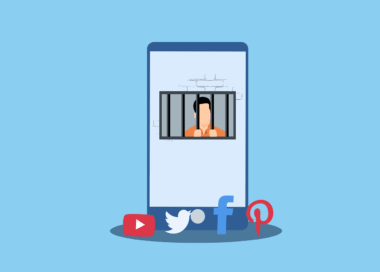
Research highlights a significant correlation between time spent on mobile social media platforms and users’ emotional well-being. Engaging with others through digital channels allows for a sense of community, supporting emotional health. However, excessive use may lead to adverse effects, such as anxiety or addiction. Users frequently report feeling pressure to maintain an online presence, which can detract from real-world interactions. To maintain balance, individuals must be aware of their usage patterns and establish healthy boundaries. Social media platforms often encourage engagement through algorithms designed to keep users online longer. As such, users face challenges in moderating their time on these platforms effectively. Some implement techniques to minimize distractions and manage their time better. For example, setting application limits or designated offline hours can promote healthier behaviors. Companies now focus on promoting well-being through features that encourage digital detoxes. The duality of social media’s impact on emotional well-being remains crucial in examining user behavior. Therefore, marketers can leverage these insights to promote products and services that enhance users’ experiences. Promoting positive interactions while addressing negative aspects offers a balanced approach to mobile social media usage.
Trends in Mobile Social Media Engagement
As mobile social media continues to shape communication styles, emerging trends reflect changes in user preferences. Visual content now dominates the landscape, as users increasingly gravitate toward image-centric platforms like Instagram and Snapchat. This preference for visuals over text is indicative of the fast-paced digital environment, where quick consumption is key. Videos, stories, and live broadcasts frequently outperform traditional posts, drawing more attention from viewers. These formats encourage creativity and interaction, capturing user interest effectively. Additionally, influencer marketing is gaining momentum, further influencing user engagement. People now often turn to influencers for recommendations, transforming purchasing habits. Brands are recognizing this shift by investing in partnerships with popular figures, bridging the gap between consumer and product. Furthermore, the rise of social commerce enables users to shop from within the platforms, increasing impulse buying and enhancing the shopping experience. Engaging users on multiple levels fosters stronger connections to brands. Overall, examining these trends aids marketers in crafting tailored content that resonates with audiences. This understanding of evolving behaviors paves the way for innovative strategies that optimize user engagement across social media platforms.
The impact of mobile social media on various demographic groups illustrates the diverse ways users interact with these platforms. Younger generations, such as millennials and Gen Z, display distinct patterns compared to older users. Younger audiences favor platforms that prioritize dynamic content creation, while older demographics often utilize social media for information and connectivity. This discrepancy in usage informs how businesses target their marketing efforts, catering to the unique characteristics of each group. Furthermore, regional variations contribute to the complexity of mobile social media engagement. Cultural influences shape user preferences, dictating what content resonates best. For instance, trends in one country might be entirely different from another, highlighting the necessity of localized marketing strategies. Additionally, language barriers present challenges and opportunities for engagement. Brands must navigate these differences to foster meaningful connections with diverse audiences. Customizing content and approaches ensures relevance and enhances user experiences. Consequently, marketers and businesses must learn to adapt their strategies continuously. Recognizing the varying preferences and behaviors within demographic segments enables effective social media campaigns, driving user engagement toward desired outcomes, sustainable growth, and enhanced brand loyalty.
Mobile Social Media Usage Insights for Businesses
Understanding the behavioral insights of mobile social media users is invaluable for businesses aiming for successful engagement strategies. Organizations now aim to utilize data analytics to track user behaviors effectively. These analytics reveal trends in how users interact with content, guiding companies in refining their approaches. Businesses often capture insights related to user preferences, engagement rates, and content efficacy. The objective is to engage users through tailored experiences that resonate with their interests. By leveraging behavioral data, brands craft strategic campaigns that appeal to target audiences without overwhelming them. This personalization cultivates loyalty and fosters a strong community around brands. Moreover, the integration of user-generated content has proven effective in strengthening brand presence on social media. Encouraging users to share their experiences enhances authenticity, building trust with potential buyers. Companies are also increasingly adopting technologies, such as augmented reality, to create immersive experiences for users. Such innovations differentiate brands in a crowded market. Engaging users through interactive content not only captures attention but also encourages sharing, expanding the brand’s reach organically. Thus, a nuanced understanding of user behavior enables businesses to create meaningful connections that drive both engagement and loyalty over time.
Social media usage trends indicate increased mobile commerce, emphasizing the importance of platforms for business growth. With a growing user base, brands are adopting new strategies to capture attention and increase conversions. Shoppers now engage with brands through social media platforms, creating unique opportunities for interactions in commerce. Influencers and targeted advertising are crucial components of this mobile commerce evolution. Users often turn to their favorite platforms to discover products, read reviews, and make purchasing decisions. Social media facilitates this process by allowing users to share their experiences and recommendations. Mobile payment options are also becoming more accessible, streamlining the purchasing journey. Furthermore, integrating shopping features within social platforms means that users can buy products without leaving the application, driving impulse purchases. This seamless transition between viewing and purchasing is vital for brands aiming to maximize sales conversions. As a result, businesses must ensure their e-commerce strategies align with mobile and social media trends. Effective marketing plans incorporate social proof and encourage user engagement to elevate experiences. Therefore, understanding these dynamics can significantly impact the overall success of marketing campaigns aimed at mobile social media users.
Conclusion: The Future of Mobile Social Media
As mobile social media usage continues to evolve, ongoing developments will shape user interactions and business strategies moving forward. User behavior will likely shift as technology advances, influencing preferred methods of engagement. Emerging platforms may arise, offering fresh ways to connect and share experiences. For example, innovations such as virtual reality and augmented reality could redefine how users consume content. Brands must stay attuned to these changes to adapt their approaches accordingly. Adapting marketing strategies will be essential for tapping into increasingly sophisticated user expectations. Companies that embrace emerging technologies and trends are better positioned to connect effectively with their audiences. Furthermore, the integration of artificial intelligence in social media marketing offers exciting possibilities for personalized experiences. This could enhance customer targeting and engagement further, strengthening brand loyalty. As mobile social media becomes more intertwined with everyday life, user preferences will continue to evolve. By prioritizing user-centered design, businesses can navigate this landscape effectively. Ultimately, fostering connections through authentic engagement is crucial for maximizing the potential of mobile social media platforms. This ongoing journey requires brands to remain agile and innovation-driven as they compete in this dynamic environment.
Overall, the impact of mobile social media on behavior is undeniable, necessitating careful study and adaptation by businesses. Marketers must leverage insights gained through user interactions to enhance strategies, optimizing campaigns for diverse audiences. Delving into preferences allows brands to adjust their messaging and formats according to specific segments, maximizing resonance. This comprehensive understanding helps streamline campaigns, ensuring content remains relevant and engaging. Companies should also measure engagement outcomes regularly to adapt strategies effectively. Continuous monitoring and refining of approaches will ensure long-term success across mobile platforms. Striking a delicate balance between user engagement and responsible usage is vital in today’s digital landscape. Encouraging positive interactions, while addressing addiction and over-reliance on mobile social media, remains a critical consideration. By focusing on enhancing user experience, brands can build loyalty while fostering responsible usage. Therefore, the path forward requires an informed and thoughtful approach to mobile social media marketing. Ultimately, by embracing the power of social media, brands can create authentic connections and enhance their customer relationships. As user behaviors continue to evolve, staying at the forefront of these trends will drive sustainable growth and elevate brand relevance in this competitive marketplace.