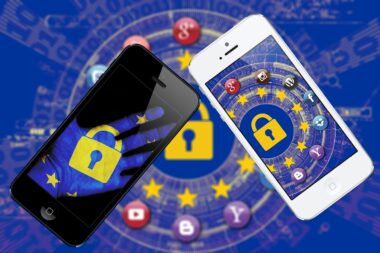

Strategies for Social Media Recovery After Large-Scale Data Leak
In today’s digital landscape, data leaks have become all too common, impacting many organizations and their stakeholders. Organizations are faced with the daunting task of recovering from the aftermath of these data breaches. The initial step involves conducting a thorough assessment of the leak’s impact. Companies must identify what information was compromised, how it occurred, and the potential damage to their reputation. The most successful companies address issues immediately and transparently with their audience. Crafting a well-thought-out communication plan is essential to inform customers and stakeholders. This includes addressing concerns, sharing next steps, and detailing measures taken to prevent future incidents. Moreover, fostering open dialogues can significantly help restore trust in organizations during this challenging time. Social media platforms serve as vital channels for engaging audiences during crises. Additionally, companies must monitor online sentiments and feedback. Utilizing tools to gauge audience reactions can aid in crafting responses that are both timely and effective. However, companies must avoid communicating too aggressively, which can lead to negative responses. Instead, it is advisable to adopt a calm and measured approach in all communications moving forward. Stakeholders appreciate sincerity and transparency, which aides recovery.
In addition to communication, rebuilding strategies should include stronger cybersecurity protocols. Organizations must invest in updated security measures and technology to safeguard their systems against future breaches. This may involve implementing stronger encryption, more robust firewalls, and regular security audits. By enhancing these technologies, companies can prevent unauthorized access and mitigate potential vulnerabilities. Furthermore, educating employees on data security practices is crucial. Employees serve as the first line of defense against cyber threats. Training sessions that focus on identifying phishing attempts and understanding data privacy can greatly improve overall organizational security. A company’s efforts to improve internal security frameworks not only protect valuable resources but position the organization as a leader in transparency and accountability. It is also vital to regularly update customers about the enhancements being made, as this helps reinforce confidence and trust. Sharing success stories and progress updates expands community relationships as well. Collaborating with cybersecurity experts can add immense value to an organization’s recovery strategy. It is beneficial to work with third-party professionals who can provide insights into industry best practices and emerging threats. Lastly, remember that recovery is a prolonged process that demands time and consistency.
Another essential aspect of recovering from a data breach is leveraging social media analytics. Organizations must analyze engagement metrics following a data leak to understand audience concerns clearly. Social media platforms can provide invaluable insights into customer sentiments, allowing organizations to tailor their responses accordingly. By listening to their audiences, organizations can respond with personalized messaging that addresses specific concerns, showcasing the organization’s commitment to customer care. Creating dedicated social media channels for crisis communication can also enhance recovery efforts. These channels can serve as a hub for official updates and engage with customers in real-time. Responding promptly to inquiries and feedback builds goodwill and demonstrates accountability. Additionally, organizations should consider applying crisis management frameworks to guide their response strategies. Each situation poses different challenges and requires unique strategies. Tailored responses that account for the specific circumstances of the leak are critical. Furthermore, employee involvement in recovery efforts can significantly impact success. Encouragement and engagement of staff within the recovery process foster a culture of accountability and responsibility. This internal cohesion translates to a more united front in public communication, which builds public trust and demonstrates a collective response to crisis management. Ultimately, it’s about restoring credibility.
The Role of Public Relations in Recovery
The role of public relations in recovering from a social media crisis cannot be overstated. Effectively managing public perception is critical to restoring brand credibility. Companies should consider launching a proactive PR campaign that highlights their commitment to transparency and security. A strategic approach involves crafting key messages that reinforce the organization’s values, focusing on how the company prioritizes customer welfare, and lays out future prevention strategies. Utilizing traditional media alongside social media platforms can amplify reach and impact, ensuring a broader audience is informed. Engaging with influencers or industry leaders can also provide credibility to the crisis response efforts. These figures can help relay the messaging effectively to a larger audience, potentially enhancing trust. As part of rebuilding efforts, highlighting measures made after the data leak can also showcase commitment and improved practices. Regularly updating stakeholders on progress via media releases or social platform postings can keep the conversation going and encourage gradual rebuilding of trust. Additionally, showcasing testimonials from satisfied customers or clients can serve as powerful endorsements of the company’s integrity. This develops greater credibility in the eyes of the public, enhancing recovery chances.
Social media platforms can also be utilized for educational purposes post-crisis. Organizations need to inform and educate their audience regarding data protection measures. Sharing valuable content such as blogs, webinars, or infographics can engage audiences while reinforcing the importance of data security. This approach not only establishes the organization as a trustworthy information source but also emphasizes its commitment to continuous improvement. By educating customers and audiences about the steps taken to secure user data, businesses can shift the narrative from one of fear to empowerment. Offering resources and practical tips allows customers to feel more involved in the security of their data and systems. Moreover, leveraging partnerships with cybersecurity firms and experts can further enhance educational efforts. Collaborating to produce high-quality content can provide added credibility to the organization. Mutually beneficial partnerships shine a positive light on both parties involved. Furthermore, it allows organizations to stay ahead of emerging threats, providing customers with the latest information and best practices. This holistic approach fosters trust while keeping the important conversation around data protection alive. Thus, education becomes an integral component of an organization’s recovery strategy.
Finally, gaining stakeholder feedback is an important aspect of the recovery process. Once the immediate crisis has subsided, reaching out to customers for their input can provide essential insights. Surveys and feedback forms can highlight areas for improvement, giving organizations a clearer understanding of customer perceptions. By prioritizing this feedback, companies can demonstrate that they value customer opinions, helping to rebuild relationships that may have suffered due to the crisis. Use social media as a soundboard to gather feedback; creating polls or open discussions can elicit active participation while providing useful data. Additionally, organizations should openly integrate feedback into their communication strategy to affirm they are listening and responding to customer concerns. Engagement in this manner supports the development of a more transparent relationship built on trust and mutual understanding. Recurring assessments of engagement metrics can guide organizations in adjusting strategies based on tangible audience reactions. Implementing these actions solidifies enhanced relationships with stakeholders and effectively strengthens the organization’s stance in the long run. Ultimately, the continuous improvement cycle initiated through stakeholder feedback will play a pivotal role in future crisis management strategies.
The journey toward social media recovery after a data leak is both challenging and complex. However, by employing these strategies, organizations can navigate through turbulent times. Key developments in communication, strengthened cybersecurity, social media engagement, educational initiatives, public relations efforts, stakeholder feedback, and continuous improvement are instrumental in rebuilding trust. Moreover, patience is crucial in allowing organizations to rebound from the repercussions of a data breach. Consistently focusing on transparency, accountability, and education in the recovery approach fosters resilience against further crises. As social media becomes increasingly central to communication, leveraging these platforms creatively can reshape public perception positively. Engaging the audience, educating them on best practices, and rebuilding credibility position organizations at an advantage for future challenges. It’s important for organizations not only to recover but also to learn and evolve from the experience. By adopting proactive approaches, organizations can safeguard themselves from potential future breaches, securing customer information and establishing a strong foundation for trust and integrity that persists beyond the recovery phase.
In conclusion, the importance of effective recovery strategies from data leaks cannot be understated in today’s connected world. Heightened awareness surrounding data privacy ensures customers are vigilant and emotionally invested in organizational actions. A data breach can present a serious threat to a company’s reputation, making social media recovery efforts paramount. Proactive measures and transparency contribute effectively to restoring customer confidence and establishing stronger organizational foundations. As organizations navigate post-crisis environments, deploying strategic communication plans, investing in cybersecurity, and fostering community engagement through education can redefine their approach. Ultimately, the methods discussed throughout this article can help bolster resilience against unforeseen crises. The integration of technological investments and a transparent corporate ethos can turn past failures into future strengths. Emphasizing valuable customer relationships and responding to their concerns ensures long-term sustainability. Organizations should embrace the journey of recovery as an opportunity for growth rather than a setback. This mindset encourages a proactive stance against future challenges while prioritizing security and public trust. As we move forward, continuous assessment and adaptation will play critical roles in evolving responses to data management and crisis recovery.