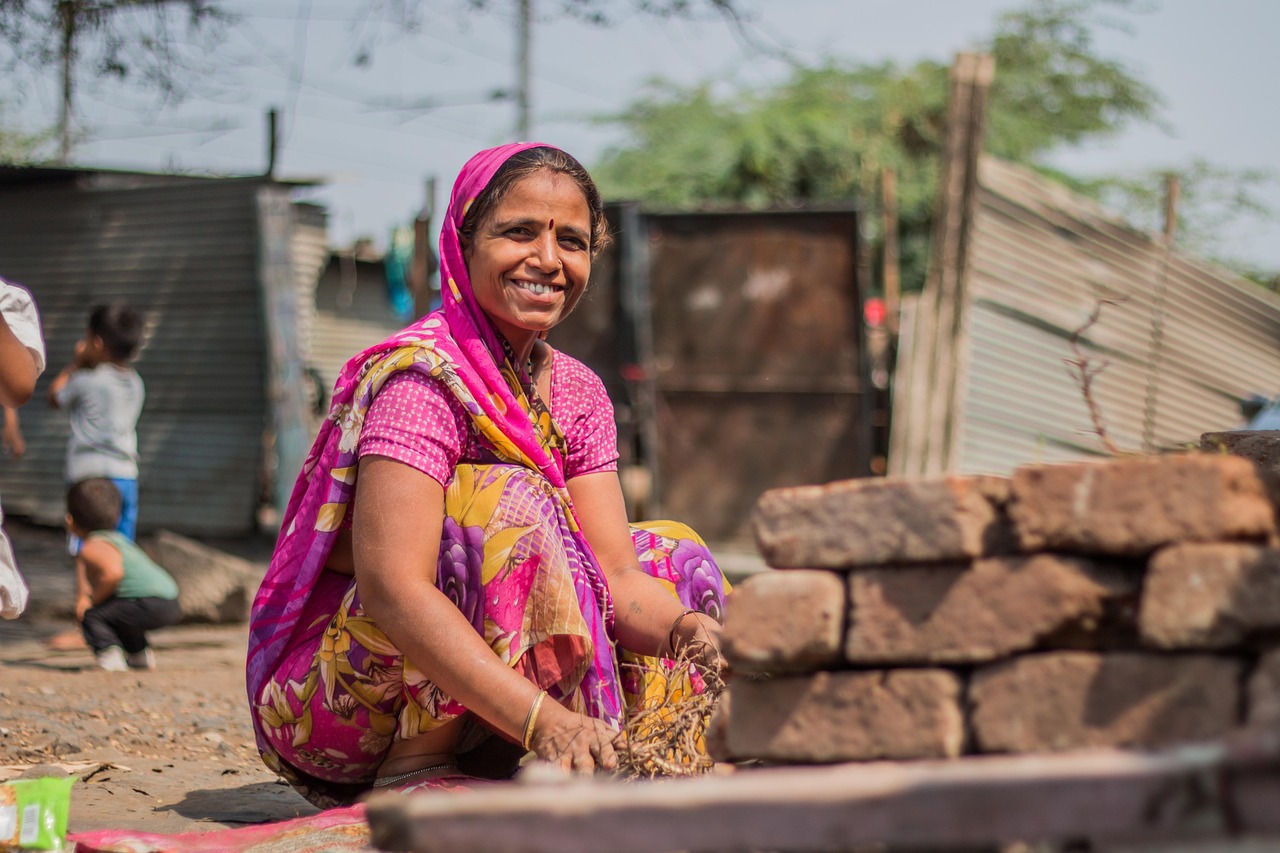

Harnessing Urban and Rural Followers for Your Online Presence
Understanding your follower demographics is essential for businesses seeking to enhance their online presence. Urban and rural areas offer distinct advantages and challenges regarding audience engagement. Urban followers are typically more diverse regarding interests and purchasing power. They can access digital marketing more readily due to the higher internet penetration rates in urban settings. Conversely, rural followers may represent a more loyal customer base, often seeking community-oriented brands. Recognizing these differences allows businesses to tailor their marketing strategies accordingly. Urban areas might require flashy, trend-focused marketing tactics to catch attention. Rural demographics might prefer authenticity and community engagement. Businesses must assess their objectives and determine whether an urban or rural follower base will lead to the best results. Developing content that resonates with each demographic ensures the message is not lost. Engaging with urban clients may involve leveraging platforms like Instagram or TikTok, while rural audiences may be more accessible through Facebook or local events. Businesses should analyze their data to identify which demographic aligns best with their product or service offering, and structure their campaigns to meet the unique needs of these groups.
The urban versus rural follower demographic can significantly influence the content strategies businesses implement. Urban followers often prefer fast-paced, visually striking content that aligns with trends and current events. In contrast, rural audiences may appreciate informative content that highlights local issues, community, and brand authenticity. For businesses aiming to grow their online presence, conducting thorough research into the preferences of these demographics is crucial. Surveys, focus groups, or social media analytics can provide valuable insights into what this audience desires. With this information at hand, crafting tailored messages becomes simpler. Urban engagement may demand interactive polls, contests, or collaborative influencer partnerships. Rural strategies could focus on storytelling and fostering a sense of community. Brands that can tell relatable stories about their connection to rural customers might find increased engagement. Emphasizing aspects of sustainability or local sourcing could appeal to this demographic, presenting an emotional connection to the product. Moreover, cross-promoting between urban and rural segments through digital platforms allows brands to expand their reach, blending urban flair with rural charm. Tailored approaches will yield better results in building loyal followings that resonate with each unique demographic’s characteristics.
Tailoring Your Message to Different Demographics
To effectively attract urban and rural followers, businesses must delve into understanding the subtleties that define each group. Urban consumers often value speed and convenience; they respond well to promotional messages emphasizing efficiency and innovation. Offerings like same-day delivery or trendy pop-up events can play well in urban settings. On the other hand, rural consumers appreciate messages that emphasize reliability, longstanding traditions, and community ties. For instance, sharing customer testimonials from nearby community members can build trust and loyalty with rural audiences. The choice of language, visual content, and engagement strategies should reflect these demographic insights. Urban marketing could use minimalist designs combined with vibrant colors to attract attention quickly. Rural strategies might employ softer tones and family-oriented imagery to convey warmth and familiarity. Cross-channel marketing can enhance the effectiveness of both strategies. Urban-focused ads could drive traffic to rural community events, thus bridging both markets. Using diverse content types like blog posts or videos can effectively engage audiences from both demographics. Remember to monitor feedback from these campaigns to evolve your approach continually, ensuring that your brand speaks to each group’s unique preferences and values.
Engagement methods for urban and rural folks can differ greatly. Urban followers are often on multiple social media platforms and are quick to join trends. Thus, timely and relevant content, delivered through the right channels, can capture their attention effectively. In contrast, rural followers might engage more with email newsletters or community-oriented Facebook groups. Understanding these differences in engagement habits allows businesses to allocate their resources better. Urban efforts might focus on influencer partnerships, live events, and real-time interactions on platforms like Twitter and Snapchat. On the flip side, rural strategies can prioritize building genuine relationships through consistent, value-driven content. Maintaining a steady online presence tailored to each demographic fosters trust and loyalty. Hosting contests that encourage user-generated content can be appealing to urban followers, creating buzz around your brand. For rural followers, organizing local meet-and-greet events can encourage community bonding. Remember, the key is to create an ongoing dialogue with your audiences. Thus, regular check-ins and adjusting your strategies based on engagement metrics can enhance interaction levels for both demographic groups. Ultimately, flexibly navigating these differences leads to more powerful partnerships with followers.
Analyzing the Data for Informed Decisions
Analyzing data obtained from your followers is crucial in decision-making regarding your marketing strategies. This step involves evaluating customer interactions across demographics, yielding valuable insights into preferences and behaviors. For instance, urban followers may show different browsing habits and content consumption compared to rural followers. Using tools like Google Analytics and social media insights can help businesses determine which content performs best. Tracking metrics including engagement rate, conversion rate, and customer feedback will inform your strategies. Utilize segmentation techniques to better comprehend your audience’s demographics and customize communication efforts. For urban audiences, high engagement might be found in short video snippets or visually appealing graphics. In contrast, rural engagement may be more responsive to longer content pieces that narrate experiences or provide in-depth knowledge. Drawing from this data strengthens your understanding of what drives your followers’ decisions, allowing brands to create content that resonates and promotes loyalty. As consumer needs evolve, continuously revisiting this data is critical for staying relevant and effectively engaging with both urban and rural audiences. The goal is to foster lasting relationships, ultimately leading to increased brand loyalty across demographic lines.
As you develop urban and rural engagement strategies, utilize user feedback to refine your approach continually. Diverse feedback channels—surveys, online reviews, and focus groups—greatly assist in understanding follower perceptions and preferences. Urban followers may provide feedback during live events or through interactive social media campaigns, where immediate responses are common. Conversely, rural followers often appreciate longer, more in-depth feedback processes, often relating to their everyday experiences with your brand. Create engaging surveys or polls that encourage feedback from all demographics, allowing customers to voice their experiences and suggestions. Incorporating such feedback helps in evolving your strategies to meet their needs better. Additionally, showcasing this feedback through testimonials or case studies can build credibility among both urban and rural followers. It demonstrates a commitment to accountability and improvement, which can greatly attract new followers within these groups. Encourage open dialogue through online forums or social media invites to further engage your audience. Listening to their opinions can transform your brand image and connection with followers, turning mere transactions into meaningful relationships that benefit both parties.
Creating a Compelling Brand Story
A compelling brand narrative can unite your urban and rural followers under a common identity that resonates across both demographics. Constructing a relatable story that embodies your values and mission can significantly enhance brand loyalty. Urban audiences may be drawn to innovative storytelling techniques, such as interactive content that allows them to engage firsthand with your story. In contrast, rural followers may connect more deeply with tales of tradition, community, and perseverance, reflecting the values they hold dear. Use various content types—blog posts, videos, and podcasts—to communicate your brand’s journey. For urban audiences, incorporate visuals and playful designs that captivate interest. For rural audiences, emphasize authenticity, such as customer experiences that speak to shared values. Encouraging user-generated content can amplify your story and create community ownership of your brand. Utilizing visuals that highlight both urban and rural experiences will bridge the gap between the two demographics. This approach fosters a sense of belonging, inviting both groups to feel invested in your brand’s mission. By weaving together diverse narratives, your brand can effectively resonate with the complexities of consumer identities across varying landscapes.
In conclusion, evaluating and implementing strategies for urban and rural followers is vital for enhancing your online presence. As both demographics offer unique perspectives and challenges, brands must be cognizant of their differences in preferences and behaviors. Flexibility in marketing approaches enables better connections with followers from different backgrounds. Therefore, utilizing targeted content while monitoring engagement metrics is key to shaping effective marketing campaigns that resonate well. Striking a balance between the often fast-paced urban environment and the more community-focused rural settings can create lasting relationships with diverse followers. Through consistent engagement, businesses should aim to foster authentic conversations, bridging the gap between these two demographic groups. By weaving stories that reflect the values held by both urban and rural followers, brands can present a unified front that appeals to various audiences. Ultimately, the goal is to harness the strengths of both demographics, crafting a comprehensive strategy that maximizes follower loyalty while enhancing your brand’s visibility across channels. The unique blend of urban creativity and rural authenticity can elevate the overall impact of your marketing efforts, nurturing growth in an ever-evolving digital landscape.