
Best Practices for Data Collection in Crisis Management Analytics
Crisis management analytics is a powerful tool, emphasizing the importance of effective data collection to handle unforeseen events. Start by defining clear objectives that guide the type of data you collect. Craft questions that focus on the key elements you want to analyze, whether they be audience sentiment, engagement levels, or misinformation spreads. Next, identify which social media platforms are most relevant for your analysis. Not all platforms will yield valuable insights. For instance, Twitter may help gauge public opinion due to its real-time nature. Use advanced tools to mine data efficiently from these platforms; tools such as sentiment analysis and keyword tracking facilitate understanding. Additionally, ensure that you monitor both qualitative and quantitative data for a comprehensive analysis. Qualitative data will offer insights into public feelings, while quantitative data provides measurable results. Finally, consider the implications of ethical data collection. Make sure your data practices comply with privacy laws and regulations to maintain trust with your audience, particularly during crises when clear communication is paramount.
Incorporating external sources of data can significantly enhance your crisis management analytics. Focus on gathering real-time news feeds, expert analyses, and consumer reports, which can provide context to the raw data collected from social media platforms. Integrating these resources allows for a multifaceted view of the crisis unfolding. Establish partnerships with reliable media outlets and data providers to ensure that the external data is credible. For example, combining social media sentiment data with expert insights can reveal deeper trends and alerts regarding public response. The triangulation of data from various sources leads to more robust analytics. Avoid relying solely on one data stream as this can result in skewed perceptions and conclusions. Regularly review the quality and accuracy of the data collected, as inaccurate data can mislead your crisis response strategies. Additionally, educate your team on interpreting these varied sources, ensuring that everyone understands how to contextualize the information accurately. With this holistic approach, your analytics efforts will not only reflect the reality of the situation but also inform decision-making effectively.
Utilizing Automated Tools for Effective Analysis
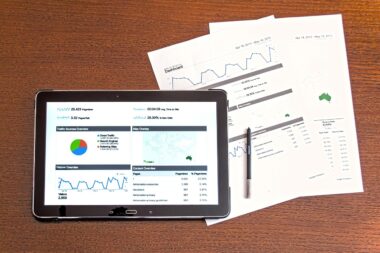
Automation tools can greatly streamline your data collection process during crises. Utilizing automated sentiment analysis tools helps capture public mood shifts in real time. Tools like Brandwatch and Hootsuite enable monitoring of mentions and discussions surrounding your crisis. By automating data collection, your team can focus on interpreting the results instead of spending excessive time manually sifting through data. Set up alerts for critical keywords associated with the crisis to ensure immediate awareness of any trends. Additionally, consider scheduling regular reports that summarize data findings, which can help you keep stakeholders informed. Employing dashboards allows for a visual representation of data trends, making it easier to identify anomalies and significant changes promptly. Furthermore, ensure that these tools offer customizable filters to analyze specific demographics or regions. This granularity will provide deeper understanding. While automation is helpful, remember it should not replace human intuition. Networks and conversations can be nuanced, requiring human interpretation to grasp the full story, particularly in emotionally charged situations. Always blend automated tools with qualitative analyses for the best outcomes.
Engagement with your audience during a crisis is vital, and addressing user-generated content is an essential part of data collection. Monitor comments, shares, and user feedback on your platforms actively. Engaging directly with your audience by responding to queries or calming fears reduces uncertainty and fosters trust. You can use platforms like Instagram stories or Twitter polls to gather opinions and insights during the crisis. This not only helps in collecting data but also makes the audience feel involved, thus creating a community sense. Document user concerns and frequent questions to identify common themes that might require addressing publicly. Implementing a feedback loop, where you inform the audience how their input influences decisions, can mitigate disparities in perceptions. Strive for transparency while navigating through difficult situations—this strengthens credibility and authority. As you collect user-generated content as part of your data strategy, ensure that you adhere to ethical considerations concerning their privacy. Anonymizing data before analysis ensures that personal information remains safeguarded. Valued interactions can uncover not only data points but also human stories that resonate deeply and provoke empathy.
Evaluating Data Quality and Reliability
When collecting data for crisis management analytics, it’s imperative to evaluate the quality and reliability of the information. Not all data is created equal; thus, you must assess the source’s credibility before using it to influence decisions. Review whether the data is up to date, as stale information can skew your interpretation. Employ techniques such as cross-referencing data with credible sources to confirm its accuracy. Moreover, pay attention to the context of data: where it originated and the conditions under which it was gathered. Filtering out noise from genuine data signals is essential for clarity. Ensure that your analytics team has a structured data validation process in place for continuous improvement. Data reliability ensures that subsequent analysis can be trusted. Encourage transparency in methodologies used to collect and interpret data, allowing team members to replicate processes if needed. Conducting regular audits of your data sources can further enhance reliability. Establish key performance indicators (KPIs) to assess how effectively the collected data meets your objectives, allowing you to shift strategies as required, ensuring adaptive crisis management.
Crisis situations often lead to rapidly changing landscapes, making real-time adjustments to your data collection strategies crucial. Implementing flexible work procedures means your analytics team is prepared to pivot according to emerging information, maintaining relevance. Regularly reviewing and adjusting your data parameters will help keep analysis aligned with current crises circumstances. Create scenario-based contingency plans detailing how to respond to various developments; these plans should identify specific data needs corresponding to each scenario. As the crisis evolves, set aside time for reflection and discussions on the effectiveness of your data collection methods and analytics strategies. Do team debriefs after significant events to evaluate what was learned and where improvements can be made. Encourage collaborative brainstorming sessions that involve discussion among diverse departments, ensuring a well-rounded perspective during evaluation. Furthermore, stay aware of new data collection technologies and methods that may become available, allowing you to innovate continually. Such proactive adjustments will enhance accurate situational awareness, making your response to crises more effective, ultimately leading to better handling of future situations.
Conclusion: Moving Forward with Confidence
To sum up, effective data collection in crisis management analytics requires careful strategizing, implementation of ethical considerations, and continuous adaptation. Focus on understanding the core objectives, ensuring the collection process aligns accordingly. Utilize a blend of automated tools, audience engagement, and cross-referencing for a high-quality data output. Engage in thorough evaluations of both data quality and analytical approaches, recognizing the importance of reliability. Each crisis serves as a learning opportunity, prompting adaptations to existing processes, which can significantly improve outcomes in future situations. Emphasize transparency and accessibility in data sharing, empowering teams to respond with confidence. Encourage ongoing education within your team surrounding data analytics, thereby developing informed leaders who can champion best practices. Crisis management is an ongoing journey; therefore, cultivate an organizational culture that values analytics and prioritizes informed decisions. As the landscape shifts continuously, your ability to adapt will not only strengthen immediate responses but will also build a robust framework for future challenges, laying the foundation for resilience in the face of adversity.
Employing these best practices in data collection for crisis management will significantly enhance both analysis and response strategies. From defining purposes to integrating external data sources, each step plays a crucial role. Engage the audience meaningfully to create a feedback-rich environment, reinforcing trust and transparency. Automation streamlines efforts while maintaining essential human input to interpret findings accurately. Flexibility remains key, allowing for adjustments in response to changing dynamics. Lastly, prioritize the evaluation of data quality to ensure informed decisions are made in real-time situations. By implementing and adhering to these practices, organizations can navigate through crises more effectively, ultimately achieving higher levels of success during challenging times.