
Crafting Polls That Encourage Genuine Feedback
Creating effective polls is a vital part of engaging customers. When your polls are well-crafted, they serve as a tool for gathering valuable insights that can lead to improved customer satisfaction. Begin by identifying your objectives clearly; know what information you seek to uncover. Aim for questions that are straightforward and easy to comprehend. Avoid using jargon or complex phrasing that may confuse respondents. Furthermore, ensuring the poll is brief encourages participation, as lengthy surveys often lead to abandonment. Strive to create a logical flow in your questions to enhance user experience. By doing so, respondents will feel more comfortable sharing their honest opinions. Remember to balance the types of questions posed, mixing closed-ended options with open-ended questions to capture nuanced feedback. Furthermore, consider the timing of your poll; for instance, reaching out immediately after a purchase can encourage engagement. Ultimately, when polls resonate with customers and feel approachable, honest feedback is more likely to emerge. Making your customers feel valued while sharing their opinions can strengthen their loyalty in the long run. Your polling cannot just gather data; it can transform relationships with your audience.
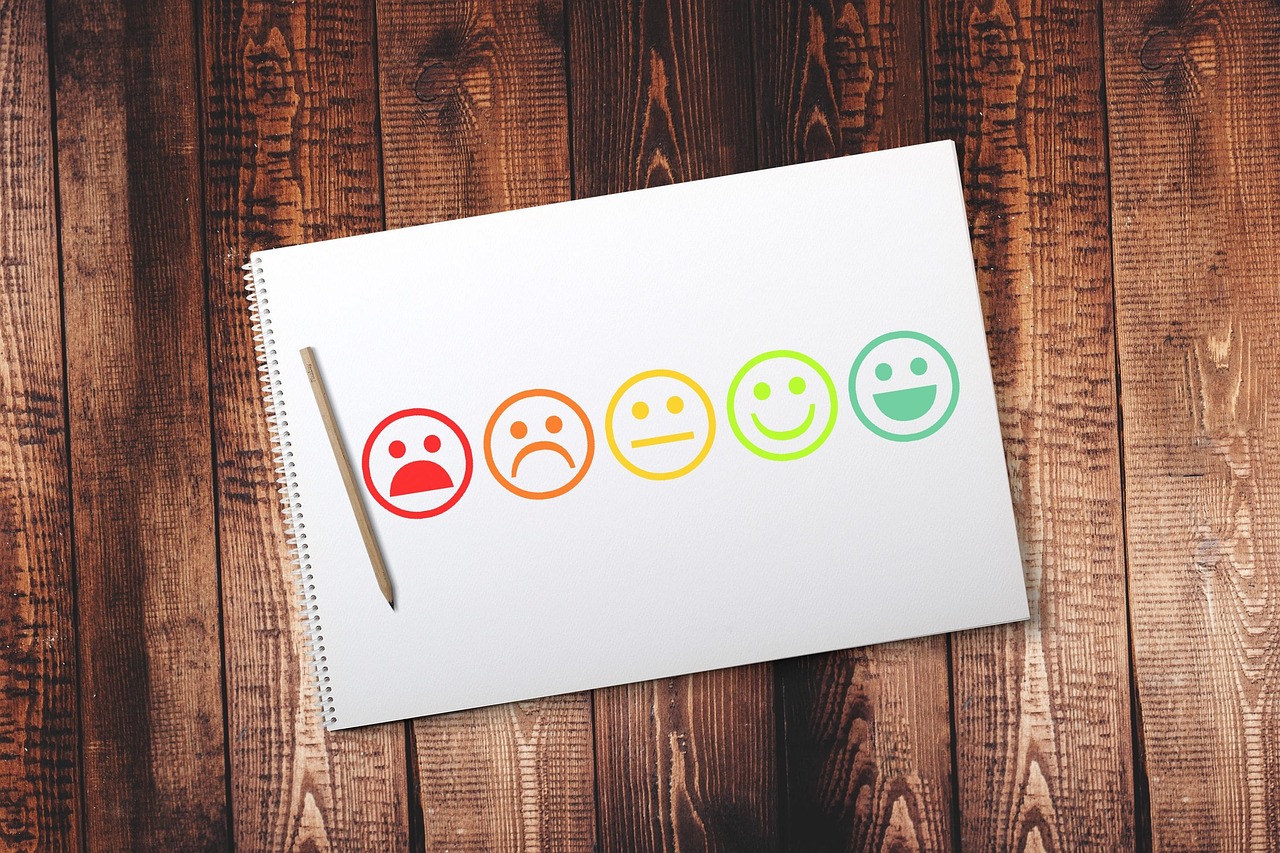
Polling should actively encourage thoughtful engagement. Once you’ve decided on the core questions, it’s essential to invite creativity through diverse formats. Incorporating visually appealing elements like images or icons in your polls can enhance user interest and participation. Attractive visuals draw attention and can convey context before the customer even reads a question. Timing and the context of the survey play a critical role in determining success as well. For instance, sending a poll following a positive customer interaction can yield more favorable feedback. Ensure questions are designed to provoke thought without being intrusive. Factors such as length and ease of navigation can’t be overlooked. Testing the survey with a small audience can help identify the efficacy of your format and wording. Additionally, ensure the poll fits the communication channel used; social media polls might differ significantly from those sent via email. Utilize tools that offer analytics to continually optimize future polls. Analyze previous responses to discover trends in customer sentiment, building on this wealth of knowledge. Continuous improvement through reflection on feedback can lead to more impactful questions in the future, enhancing the dialogue with your audience over time.
To further enhance engagement, incentivize participation effectively. Offering rewards, discounts, or special offers for completing polls can significantly increase the participation rates. Customers appreciate alternatives that provide them value, transforming mere feedback requests into perceived exchanges. Moreover, fostering a sense of community can bolster engagement with your surveys. Consider promoting the poll on social media platforms, encouraging followers to contribute their insights while discussing their experiences. Creating a campaign around polls nurtures a living conversation, demonstrating your genuine interest in their opinions and experiences. Don’t disregard the importance of reminding participants about their feedback’s significance; make it evident that their thoughts inform vital decisions within your business. Acknowledging received feedback and taking action reinforces trust and strengthens relationships with your audience. Establishing transparent communication about how their responses are utilized builds credibility. This feedback loop invites loyalty and encourages customers to continue providing insights. Encourage customers to share their thoughts even beyond polls, fostering channels for conversations. Engage distinctly by addressing individual comments, showcasing an attentive listening ear through your interactions with them.
Analyzing Feedback for Improvement
Once feedback is collected, analyzing the data is the next critical step. Collect quantitative and qualitative data that enables you to gain comprehensive insights from the feedback provided. Identifying trends and recurring themes can highlight areas of strength and those needing improvement. Use tools designed for analysis, which can quickly sort through responses, presenting visualizations that enhance understanding. Look for correlations between various data points that may provide a broader context for customer sentiments, such as socio-demographic factors influencing preferences. Create a system for categorization, assigning weight to each piece of feedback based on its significance according to your objectives. Implementing surveys in a systematic manner helps in drawing conclusions and making decisions that resonate with customer desires. More importantly, share the results with your team to foster an environment where feedback is pertinent. Encourage brainstorming sessions based on survey outcomes to generate actionable ideas. Analyzing responses provides more than data; it opens discourse for further innovation through enriched collaboration among team members. Engaging employees in this process can lead to improved responsiveness, resulting in an enhanced customer experience shaped by informed decisions.
Follow up with users to demonstrate the importance of their opinions once you’ve acted on their feedback, ensuring they feel valued in your community. Sending thank-you emails or updating participants about changes made based on their suggestions reinforces the message that their voice is crucial to your process. This reinforces the relationship as customers appreciate knowing that their inputs lead to authentic enhancements in your offerings. Implementing a ‘You said, we did’ approach can further clarify how insights were integrated into your operations. Integrating storytelling around these updates adds a human touch, allowing customers to connect personally with your brand. Building ongoing communication helps create an expectation of future interactions while also increasing customer loyalty. Consider creating a community forum for customers to discuss ideas, developing a two-way street rather than a linear communication path. By fostering dynamic interactions, customers will feel empowered, leading to higher engagement levels in the future. Designing a thoughtful follow-up strategy is crucial for building rapport within your audience. Consistent follow-up can add emotional resonance to responses, significantly increasing the quality of feedback collected over time.
Consistency in reaching out for feedback ensures your business remains agile and responsive. Regular surveys positioned at strategic points in the customer journey can create new opportunities for dialogue while keeping customer concerns top of mind. For instance, checks after product launch or post-service completion can address specific transaction-related feedback. Ensure clients have the option to share their feedback at various stages of their journey, promoting flexibility around submission. Developing a schedule that incorporates periodic polls allows for trending topics to surface naturally over time. Moreover, utilize segmentation in your communications to ensure polls reach relevant audiences. Tailored outreach enhances the robustness of gathered insights while fostering engagement amongst customers by making them feel more addressed. Additionally, evaluate past feedback results for patterns informing future surveys better. For example, if users show a declining interest in a certain product, questioning why could unveil crucial insights. Create a timeline for review and strategic implementation based on feedback patterns, integrating insights into planning sessions, thus prioritizing enhancements. Staying attuned to your customers enriches the overall experience, leading to lasting impressions that elevate brand loyalty.
Conclusion: Building Polls as a Dialogue Tool
In summary, crafting effective polls is about more than just asking questions; it’s about fostering a dialogue between your brand and your audience. Ensure every interaction feels personal and valued through strategic planning, the use of visuals, and incentivizing feedback. Remember that transparency and follow-up show customers their responses matter. By encouraging open discussions and utilizing insights creatively, businesses can implement notable changes shaping the customer experience meaningfully. Ensure that all polls deployed have a clear purpose, and always focus on the emotional aspect of responses while remaining data-driven. Embrace feedback loops to not only collect data but to create lasting relationships with your customers. When this approach becomes routine, feedback mechanisms shift from transactional to relational, enhancing trust significantly. The effectiveness of your polls largely depends on the ongoing commitment to act on the feedback received, creating lasting loyalty and engagement. It is a continuous journey; adapt your strategies, be innovative, and nurture the dialogue. Utilizing polls as instruments for genuine conversations cultivates an atmosphere of inclusivity where every customer feels a vital part of your brand’s narrative.
Lastly, establish metrics to measure the effectiveness of your polling strategy. Identify key performance indicators such as participation rates, completion rates, and engagement levels to gauge the polls’ success. Tracking this data over time reveals valuable insights into customer behavior and preferences concerning your surveys. Make adjustments to your approach based on the insights you gather; flexibility is key to refining your polling strategy. Engaging stakeholders, including your team and selected customers, in evaluating your surveys can help to brainstorm enhancements. Consider creating a feedback loop for your polling process; collect responses on the survey itself to facilitate a cycle of ongoing improvement. This ensures responsiveness to customer needs, and you can proactively adjust your tactics to maintain interest. Embrace feedback not just about products or services but about the polls themselves. Make sure you’re inviting candid opinions about the survey experience to enhance future iterations continually. Structuring a process where feedback leads to meaningful change will not only impact your brand favorably but also solidify your customers’ belief in their significant role within your community. Ultimately, adapting your surveys for optimal engagement levels is paramount.