
Incorporating Accessibility Feedback into Social Media Event Strategy
In today’s interconnected world, social media has become a vital platform for promoting events. Accessibility should be a top priority when strategizing your social media event promotion. Understanding the needs of individuals with disabilities can significantly enhance your approach. It is essential to include varied perspectives in your promotional content. Therefore, gathering feedback from diverse groups ensures your outreach is as effective as possible. This feedback allows you to pinpoint any barriers that might exist in your content. Are your posts readable for everyone? Do they provide adequate descriptions? Taking these steps ensures your event is accessible, thus broadening your audience base. Social media platforms offer various tools to improve accessibility. Tools like captions, alt text, and descriptive hashtags play a critical role. In addition, consider how color contrasts can affect visibility for individuals with visual impairments. Accessibility should not just be an afterthought; it should be integrated into your strategic plan. This intentional approach benefits everyone, maximizing your event’s visibility through thoughtful content that resonates with a wider audience.
Utilizing social media platforms effectively means understanding the importance of accessibility. However, assessing your current strategy is essential for improvement. Start by analyzing existing content and identifying potential gaps. Requests for feedback can be launched on various platforms. Encourage audiences with disabilities to share their experiences and suggestions. Specifically, inquire about the accessibility of the information presented in your posts. This proactive engagement fosters a sense of community and demonstrates your commitment to inclusivity. After gathering feedback, prioritize implementing meaningful changes based on these insights. This might include enhancing text alternatives or streamlining navigation for your event pages. The integration of feedback can also lead to the creation of new resources, such as guides tailored to audiences with specific accessibility needs. Furthermore, social media analytics provide valuable data about your audience engagement. This data can guide your content adjustments to ensure it meets accessibility requirements. Be open to iterative changes instead of viewing your strategy as a fixed blueprint. Flexibility and willingness to adapt will enhance your promotional efforts over time.
Inclusion in event marketing is not only ethical, but it also appeals to a larger demographic. This incorporation of diverse perspectives is vital in shaping promotional strategies. One effective method for gathering accessibility feedback is the use of surveys. Surveys can be distributed through social media channels, where audience members can respond anonymously. Their insights can reveal how effectively your event promotional content communicates. Questions can range from the clarity and formatting to specific requests for additional accessibility features. Engaging audience members through polls can also provide immediate feedback on content types they prefer. Understanding user preferences is crucial for designing accessible promotional strategies. Other options include hosting focus groups or accessibility workshops within your community. These initiatives encourage open dialogue about accessibility challenges and solutions. Moreover, collaborating with organizations that advocate for individuals with disabilities can offer further insights. Establishing partnerships with these groups can enhance your credibility and provide valuable resources. Ultimately, gathering diverse input helps create an inclusive promotional campaign that respects and values all participants.
Implementing Changes Based on Feedback
Once you’ve gathered feedback, the next step is implementing changes that reflect this input. Begin by prioritizing improvements that will have the most significant impact on accessibility. Addressing the most pressing concerns can provide immediate benefits for your audience. This strategic focus helps reinforce your commitment to inclusivity while providing practical solutions. Regularly reviewing and adjusting your content over time also establishes a culture of continual improvement. Providing training for your marketing team about accessibility best practices can be beneficial. Understanding how to create accessible content is crucial in effectively reaching all audiences. Additionally, incorporating accessible features into your promotional materials not only benefits individuals with disabilities, but enhances the overall user experience as well. For instance, incorporating video captions ensures that your content is available to a broader audience. Alt text for images, clear headers, and bullet points improve readability significantly as well. Overall, continuous revisions will elevate your brand’s messaging and reinforce your dedication to accessibility within your event promotion strategy.
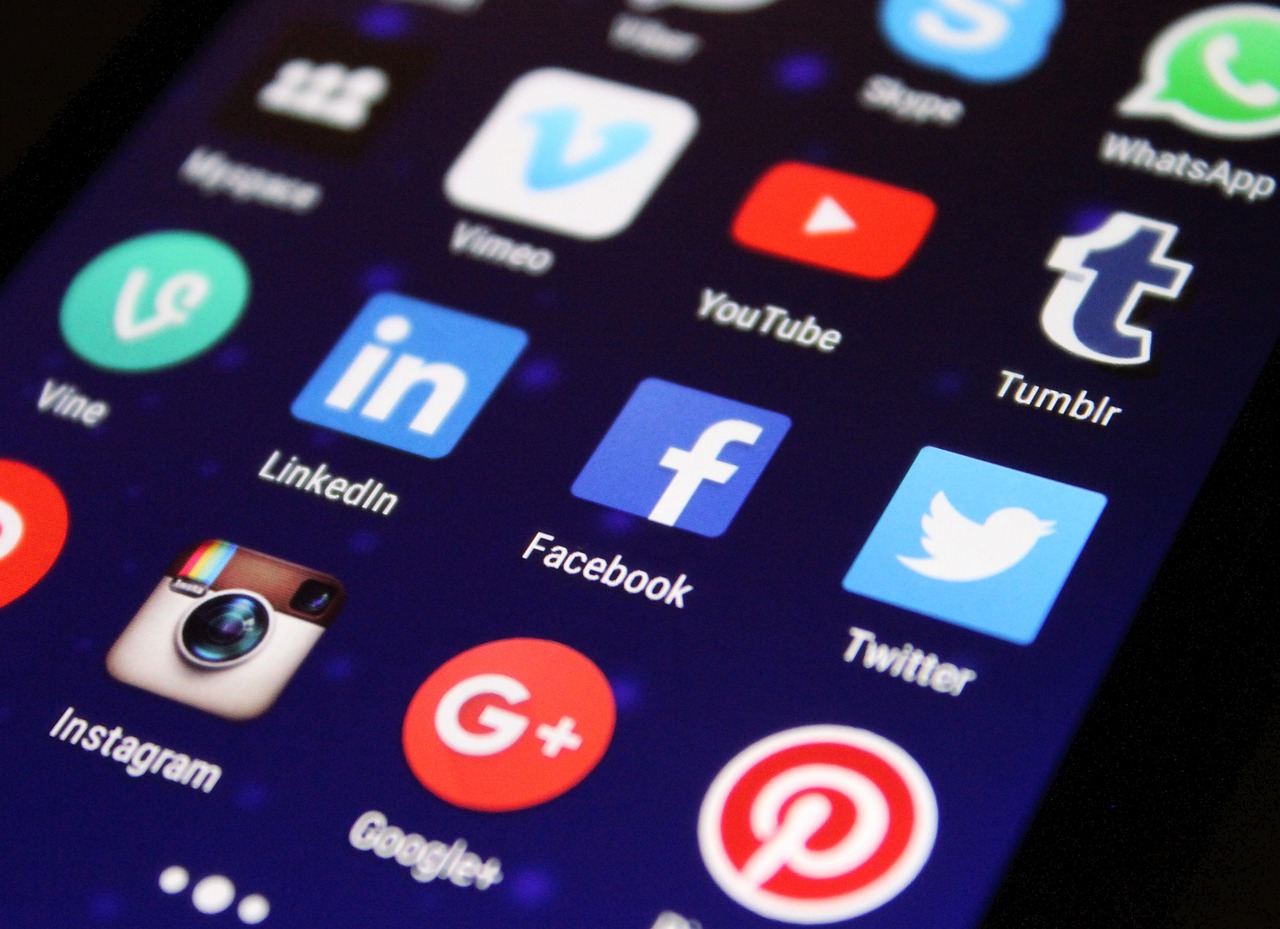
Choosing the right platforms for your social media event promotion also plays a crucial role in accessibility. Some platforms have built-in accessibility features that should be utilized effectively. For example, Facebook and Instagram provide options for adding alt text to images, which can greatly assist visually impaired users. LinkedIn and Twitter also allow for accessible content sharing by incorporating hashtags and descriptions that are easy to read. Ensure all platforms you use align with your audience’s accessibility needs. Understanding the specific demographics of users on different platforms can also guide your approach. If your audience includes a significant number of individuals with disabilities, prioritize platforms that accommodate accessibility needs. Additionally, maintaining consistent branding across your accounts while optimizing for accessibility further strengthens your outreach. Visual components should feature high color contrast and clear fonts, ideally without distracting animations. Utilizing straightforward language in your messaging helps broaden your audience’s understanding considerably. Monitoring your engagement and feedback on these platforms can provide valuable insights into how well you’re meeting accessibility standards.
Promoting Accessible Practices Internally
As you refine your social media strategy for accessibility, it’s crucial to inspire an inclusive culture within your organization as well. Sharing your goals and values about accessibility with team members enhances dedication to the cause. Internal workshops that focus on accessibility in marketing practices can foster awareness and learning. Such initiatives create a shared understanding of the importance of these principles among all team members. Develop clear guidelines regarding accessible content that all members can easily reference. Create a centralized resource that gathers best practices for accessible event promotion. This shared resource can assist teams in daily operations and planning for upcoming events. Encouraging collaboration among team members in creating accessible content can lead to new, innovative ideas aligned with your accessibility goals. Recognizing team members who contribute significantly to these efforts will also motivate others to focus on inclusivity. Ultimately, a cohesive commitment throughout your organization will be reflected in your promotional efforts. By cultivating internal practices that prioritize accessibility, your events will resonate better with all audiences.
Finally, measuring the success of your accessibility-focused strategies is essential for continuous growth. Setting key performance indicators (KPIs) to evaluate the accessibility of your events is crucial. For instance, measuring audience engagement rates among individuals with disabilities can provide tangible feedback. Tracking improvements over time will offer insights into how well changes have been received. Engaging participants through follow-up surveys post-event can help gauge their experience. Questions regarding the accessibility features can provide valuable information for future events. Utilize feedback to assess the effectiveness of changes implemented based on initial insights. Share successes and challenges with your team, as it reinforces the importance of ongoing commitment to accessibility practices. Sharing results shows stakeholders that accessibility is more than just compliance; it’s an integral aspect of your organizational values. Analyzing the data collected will help refine your strategies, ensuring they align with your audience’s needs. Ultimately, this ongoing evaluation will empower your organization to enhance its accessibility efforts continually, making your event promotion even more impactful for everyone.