
How to Use Social CRM to Map the Digital Customer Experience
Social Customer Relationship Management (Social CRM) involves strategies leveraging social media to enhance customer relationship capabilities. With businesses integrating Social CRM frameworks, they begin to explore novel dimensions for engaging customer interactions. The mapping of the digital customer experience initiates with understanding how customers interact with various digital platforms. By analyzing these interactions, businesses can glean insights into the customer journey. This process typically begins with defining customer personas based on demographics, behaviors, and preferences. The next logical step is to collect data from social networks, websites, and other interaction points to paint a clearer picture of customer experiences. Tools, such as Google Analytics and purely social media monitoring tools, can help businesses track customer movements along different touchpoints. Once sufficient data is gathered, analyzing it reveals patterns and opportunities for customization. As brands engage more effectively, they can deliver tailored experiences that resonate with specific customer needs. Thus, Social CRM optimizes the overall customer experience while ensuring that every interaction adds value, enriching the customer’s journey and nurturing loyalty through meaningful brand connections.
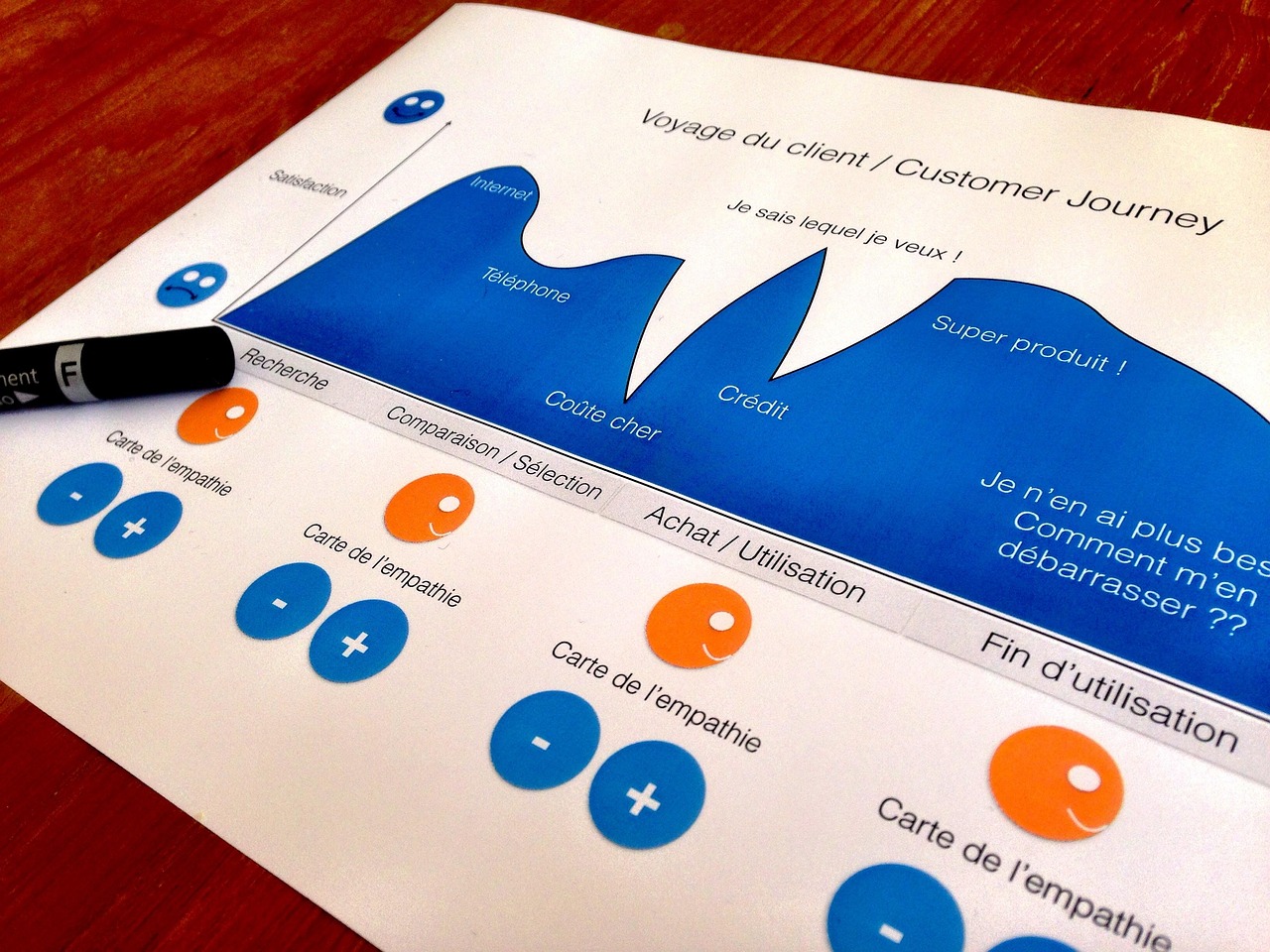
Mapping the customer journey efficiently with Social CRM allows brands to identify key touchpoints where engagement occurs. Each touchpoint represents an opportunity to make an impression or solidify customer relationships. By evaluating these touchpoints, brands can highlight strengths and weaknesses in their engagement strategy. Social media engagements often include likes, shares, comments, and direct messaging. Analyzing this interaction data provides businesses with valuable insights into customer satisfaction levels and areas requiring improvement. Keeping track of customer feedback across various social platforms can enhance a brand’s effectiveness, and it can also help avert potential crises. An optimal journey mapping process involves continuous feedback loops, where customer input directly influences service improvements. Visualizing the journey in diagrams or flowcharts enables teams to collaborate better across departments, ensuring a unified approach and understanding. Integrating these insights back into Social CRM systems allows for refining strategies, providing enhanced targeting for marketing efforts. By continuously iterating on these processes, businesses ultimately create a more engaged customer base, thereby enhancing overall satisfaction and loyalty metrics. Thus, Social CRM tools become critical in maintaining transparent and effective communication with customers throughout their journeys.
Utilizing Technology in Social CRM
Technology plays a crucial role in shaping the effectiveness of Social CRM strategies as brands pursue customer journey mapping. Businesses must adopt appropriate tools to automate data collection and customer interactions across various channels. Customer data platforms (CDPs) specifically enable organizations to unify customer insights in one central location. By utilizing these platforms, brands can segment their audiences more effectively and personalize marketing messages. Additionally, embrace advanced analytics solutions as they provide predictive insights into customer behavior that can enhance journey mapping. Machine learning algorithms help identify patterns in customer interactions, thus allowing businesses to tailor their offerings. Incorporating chatbots and automated response systems can also streamline communication, providing timely responses to customer inquiries. Furthermore, brands should not neglect the mobile aspect of customer journeys. Investing in mobile applications enhances user experiences significantly while providing additional data collection points. Moreover, integrating these technologies fosters seamless interaction between customers and businesses, ultimately enhancing satisfaction levels. By staying ahead technologically, organizations are also better prepared to anticipate future customer needs, solidifying competitive advantages in their respective markets.
Implementing effective Social CRM strategies can significantly enhance customer engagement throughout their entire journey. Engagement initiatives can manifest in various forms such as surveys, loyalty programs, and personalized messages. Social media platforms are especially powerful in fostering direct communication with customers, enabling brands to build stronger connections. Crafting tailored messages for specific audience segments helps increase response rates and engagement levels. Furthermore, utilizing user-generated content not only boosts engagement but also fosters trust in prospective customers. Brands should leverage testimonials, reviews, and shared experiences to personalize connections further. By creating a community around their products or services, organizations cultivate brand advocates who willingly share their positive experiences on social media. Continuous interaction, based on insights garnered through Social CRM, supports the development of relevant content that resonates with customers. As automated processes enhance interactions, customers feel valued and understood, reinforcing their brand loyalty. Ultimately, these initiatives directly reflect positively on the overall customer experience. By focusing on engagement at every stage, businesses ensure that customers feel connected and appreciated, driving long-term loyalty and advocacy.
Challenges in Mapping Customer Journeys
While Social CRM provides great potential, businesses often encounter challenges in mapping customer journeys effectively. One primary hurdle is data integration, particularly when gathering insights from various channels. Ensuring data accuracy and consistency across multiple platforms can pose significant difficulties. Furthermore, businesses must navigate the problems associated with varying customer expectations, which can differ between demographics and platforms. As customers engage on social platforms, their experiences vary, and businesses need to align their messaging and offerings accordingly. Another challenge involves the sheer volume of data generated daily, which can overwhelm companies if they lack robust analytical capabilities. This often leads to missed opportunities or misinterpretation of customer needs. Additionally, maintaining engagement throughout the customer journey requires a dedicated focus on providing value consistently. Brands must ensure that automated communications remain personal and relevant; otherwise, they risk being perceived as spammy. Customers expect authenticity from brands, which necessitates vigilance in communication strategies. By recognizing these challenges in advance, organizations can proactively address gaps and enhance their Social CRM efforts, ultimately yielding a more effective customer journey mapping process.
Beyond simply addressing challenges, companies must understand the importance of continuously evolving their strategies within Social CRM systems. Customer behaviors and preferences shift frequently, especially in today’s fast-paced digital landscape. As brands gain insights from customer interactions, they must pivot quickly to adapt to these changes. Regular reviews and updates to customer journey maps are essential to accurately reflect current realities. To achieve this, organizations should establish metrics that effectively measure customer satisfaction and brand loyalty across every touchpoint. Having rich visualizations of customer data enables teams to brainstorm innovative solutions for enhancing experiences. Regular feedback collection from customers helps refine processes and allows brands to stay relevant within their industries. Developing agile strategies boosts organizational flexibility, while positioning businesses to respond promptly to external changes and trends. Furthermore, businesses should foster a culture that encourages collaboration among departments, thus marrying marketing, sales, and support efforts into a single cohesive strategy. In conclusion, an ongoing commitment to refining Social CRM practices bolsters customer experiences and enables brands to retain long-term loyalty, ultimately leading to greater business success.
Conclusion: Amplifying the Customer Journey with Social CRM
Leveraging Social CRM effectively amplifies the customer’s journey from acquisition to retention. By conducting a comprehensive analysis of customer behaviors and preferences, brands can curate relevant and compelling experiences. Continuous engagement through personalized communication builds lasting relationships, ensuring customers feel valued throughout the process. The strategic mapping of digital interactions facilitates enhanced targeting that results in improved customer satisfaction. Through the implementation of innovative technologies, brands can automate processes and stay agile in responding to customer needs. Moreover, organizations should commit to maintaining transparency in their interactions, ensuring customers trust their brands. Fostering a community-driven approach encourages customers to share their experiences openly, thus amplifying the brand’s reach. Additionally, evolving customer expectations necessitate that brands stay attuned to market trends while updating their CRM strategies regularly. Celebrating customer successes and acknowledging feedback strengthens connections and fosters loyalty. Ultimately, the synergy between Social CRM and customer journey mapping creates a dynamic ecosystem that prioritizes exceptional customer experiences. Investing resources into mastering these strategies will yield long-term benefits, helping organizations thrive in the competitive digital marketplace, ensuring they resonate with their audience on a deeper level.
In summary, utilizing Social CRM to map the digital customer experience encompasses various effective strategies aimed at improving customer satisfaction. The integration of technology, continuous engagement, and responsiveness to challenges are crucial in this process. Moreover, crafting personalized experiences and fostering brand advocacy are essential for long-term success. As the digital landscape evolves, so too must the strategies employed within Social CRM to keep pace with changing customer behaviors and preferences. Organizations that embrace flexible frameworks will be better positioned to meet customer expectations while enhancing brand loyalty. By focusing on interdisciplinary collaboration, brands can ensure a well-rounded understanding of customer needs, allowing for comprehensive journey mapping. Consistent tracking of customer journeys helps identify potential areas for improvement, thus enabling a proactive approach to engagement. Additionally, leveraging analytics tools provides valuable insights that enhance decision-making and strategy formulation. Ultimately, Social CRM empowers businesses to cultivate long-lasting relationships with their customers, ensuring that they remain integral to the brand’s narrative. Thus, exploring innovative practices within Social CRM will yield significant dividends, allowing organizations to create enriching experiences at each customer journey phase, paving their way for sustainable success.