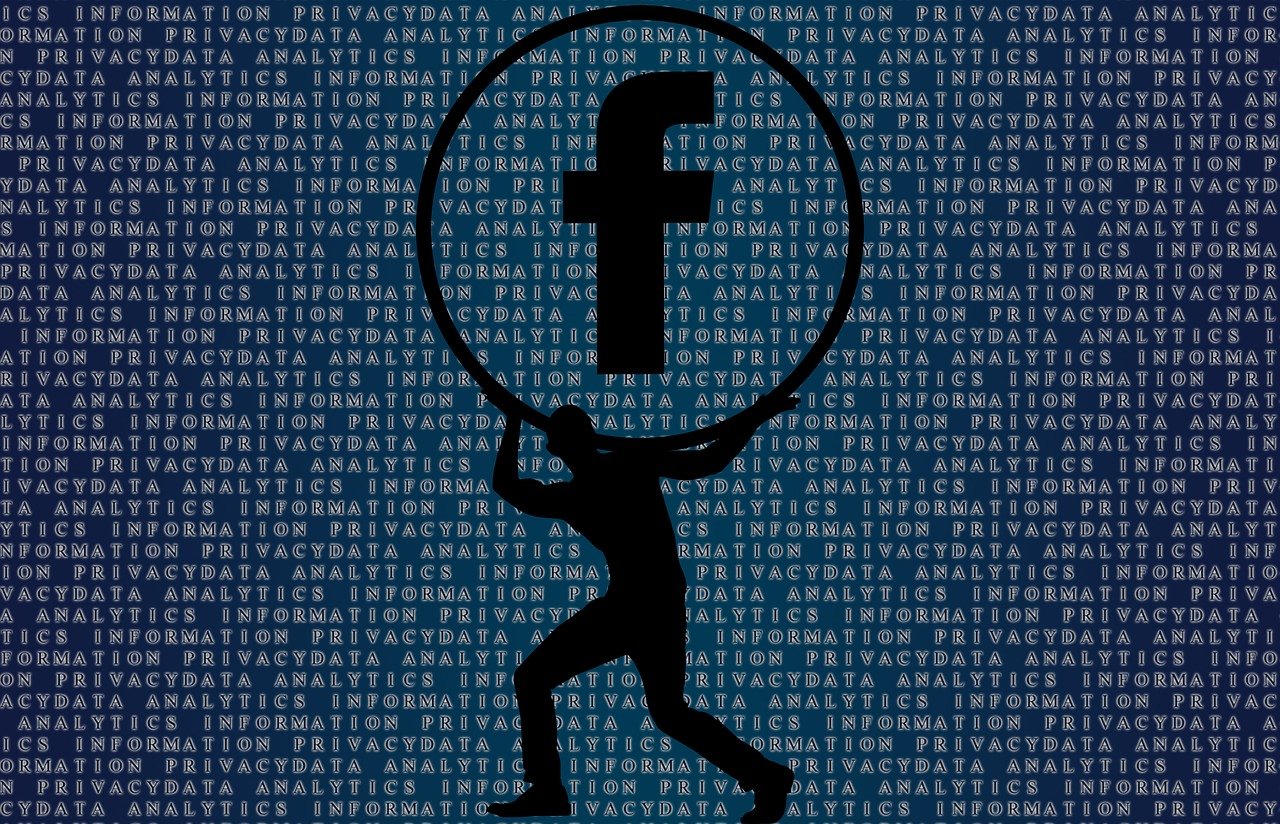

How to Safely Download Your Facebook Data
Downloading your Facebook data is an essential step to protecting your privacy. Understanding what data Facebook holds about you is crucial. This process not only empowers you with knowledge but also helps you manage your online presence. Your Facebook data includes everything from your posts to private messages and even photos. Knowing how to safely interact with this option can prevent potential mishaps. Before beginning the download, ensure that you have a secure internet connection. Avoid public Wi-Fi networks, as they may expose your data to unauthorized access. Facebook offers an option to download your data, which can be accessed through the Settings menu. Take time to familiarize yourself with these settings to make informed choices about what data you want to retrieve. Pay particular attention to the various categories available, including your timeline, friend list, and activity logs. You may also want to check what type of information apps linked to your account might have. Once you feel confident about downloading your data, proceed carefully to ensure you are comprehending each step correctly when prompted during the process of downloading. This is vital as it ensures the safety of your personal information.
After starting the download request, Facebook will compile your data. This compilation may take time, depending on the volume of information you have. Facebook notifies you through the site when your data is ready for download. You will be provided with a secure link to access the data. To access your downloaded data, you’ll need to make sure you log in to your Facebook account securely. Open the notification and follow the link to download your information. You must verify your identity to prevent unauthorized downloads. Also, be cautious of any suspicious emails claiming a data request. Only trust links that originate from Facebook’s official website. Once you complete your download, it’s wise to scan the downloaded file for any potential malware if it’s from a third party. Keep your data in a safe location, preferably encrypted, to protect it from unauthorized access. Use antivirus software to add an extra layer of protection. Remember, the goal is to safeguard your data while understanding the content you possess. Evaluating this information allows you to manage your online profile for improved privacy and control.
Understanding What Data Facebook Collects
Facebook collects an extensive amount of data from its users. This includes personal information such as your name, email, and phone number. Additionally, Facebook tracks your interactions on the platform, which includes likes, shares, and comments. This data helps Facebook create a personalized experience, but it also raises significant privacy concerns. By reviewing the types of data collected, you can decide what information you wish to share or restrict. Knowing this enables you to adapt your privacy settings accordingly. There are various categories detailing what Facebook stores. Some data is user-generated, while other information is inferred based on your online behavior. For example, Facebook might analyze your friend network or the types of posts that engage you most. It’s important to regularly check these specifics. You may choose to deactivate certain data-sharing preferences that you find intrusive. Be proactive in managing your digital footprint. Understanding what Facebook collects is the first step toward greater control over your privacy. Minimize unnecessary data exposure to protect your personal life from unwarranted scrutiny. You deserve peace of mind while using social media.
Once you download your Facebook data, reviewing it can feel overwhelming. The information is typically organized into folders, each relating to different aspects of your account. Look for folders labeled as Activity Log, Messages, and Friends. Each category sheds light on your online behavior and history. This organization assists in keeping track of the information efficiently. If uncertain what some terms mean, consider doing a quick search for clarity. Sometimes, you might find entries you wished were deleted, which can be a little alarming. Remember, take note of sensitive data that you may want to remove or restrict for privacy reasons. You can manage what appears on your profile directly through the settings, ensuring only the information you are comfortable sharing remains public. Evaluate every piece of content and decide if it reinforces your desired online identity. Editing or deleting undesired data can help reshape how you’re perceived. This process can be liberating as it allows you to reclaim your online narrative. Always prioritize your privacy and ensure that your account settings reflect your current comfort levels.
Enhancing Your Facebook Privacy Settings
Keeping your Facebook data safe requires proactive management of your privacy settings. This is essential in an ever-evolving digital landscape. Regularly update your privacy settings to reflect changes in your needs or preferences. Enable two-factor authentication to ensure that only you can access your account. This extra layer of security prompts for a unique code sent to your mobile device or email upon login. Furthermore, reviewing who can see your posts is crucial. Adjust the audience settings to include only those you trust. Public posts can lead to unwanted exposure. In addition, regularly check your app settings, as third-party applications may also access your data. Ensure you only allow apps that are necessary and monitor which apps are linked to your Facebook account. Remove any that you no longer use or trust. Also, take time to review the information you have shared with third parties. This helps prevent your data from falling into unintended hands. Lastly, familiarize yourself with Facebook’s support resources for privacy. These tools empower users to take control of their data and online interactions effectively.
Be aware that even with enhanced privacy settings, there is always a risk when handling your data. Regularly educating yourself about current privacy issues is vital. You should stay informed of updates to Facebook’s policies that may affect how your data is used. Following discussions about data privacy allows you to engage in informed conversations. Social media platforms constantly evolve, needing users to adapt accordingly. Being proactive can help mitigate risks associated with data exposure. Consider participating in forums or groups focused on digital privacy. Engaging with knowledgeable community members can provide insights on best practices for safeguarding your information. You may even discover tools to help manage your digital lives more effectively. Attend webinars or read articles dedicated to privacy concerns to expand your understanding. Knowledge is power when it comes to online interactions. Equip yourself with practical strategies to minimize risks while utilizing social media. Another critical consideration is reviewing your sharing habits. Are you comfortable with the types of information shared? Taking these steps enhances your awareness and empowers you within the online space. Ultimately, informed users can navigate social media with confidence.
Conclusion: Navigating Facebook With Confidence
Understanding how to safely download and manage your Facebook data is empowering. By taking proactive steps, you can control what information you share, enhancing your privacy. This journey equips you with the knowledge needed to navigate the digital world with more confidence. Regularly reviewing your data helps maintain a healthy online presence. Be vigilant in checking the privacy settings periodically. Explore the various features available that help you manage your data while ensuring it remains secure. Engage with community resources and seek informed conversations regarding data privacy issues. By collaborating, users create a network of shared knowledge, aiding in counteracting potential threats associated with social media use. Each action you take fortifies your digital landscape. Furthermore, the benefits of regular maintenance far outweigh the inconvenience of neglect. You have the right to dictate how your information is handled in the online realm. Establishing a mindful approach to social media can lead to a more enriching experience. Embrace the opportunity to shape your online narrative. Take the necessary steps and remain vigilant as you enjoy all that Facebook has to offer, confidently aware of your data’s safety.
To summarize, downloading your Facebook data and managing privacy settings are essential practices. These steps not only enable you to protect your data but also provide insight into your online interactions. Be proactive in understanding the data collected, as awareness leads to better control. Embrace the opportunity to explore privacy settings and make adjustments based on your comfort level. This dynamic approach ensures your experience remains enjoyable and secure. Stay informed on the latest privacy news pertinent to social media. In doing so, you foster a healthy relationship with technology. Education on current trends affects how you utilize Facebook and similar platforms. Gather insights from experienced users who can share strategies to enhance privacy measures. This collective knowledge builds a community focused on protecting personal information. By regularly evaluating your Facebook data, you empower yourself to maintain an online image that aligns with your true self. Your digital narrative should reflect who you are, making it vital to manage your accounts effectively. Finally, always consider security when downloading your data, reinforcing a habit of safeguarding your valuable personal information.