
Government Crisis Alerts and Notifications on Social Platforms
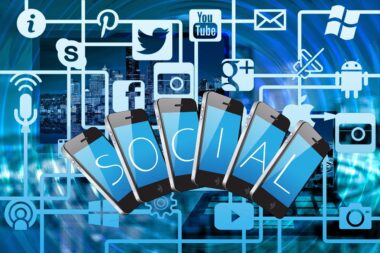
In recent years, social media platforms have emerged as vital tools for crisis management, particularly within government agencies. Governments utilize these platforms to disseminate critical information swiftly during emergencies. Alerts and notifications sent via social media can reach vast audiences in real-time, ensuring that citizens are kept informed and safe. The approach to integrating these platforms involves strategic planning, where message clarity and timeliness are paramount. Government officials must be trained to effectively use social media, understanding both its capabilities and limitations. Social platforms also allow for the two-way communication flow, granting citizens a voice during emergencies. This is incredibly important as it fosters trust and transparency. Citizens can ask questions, report their safety status, and receive critical updates. Additionally, curating content, such as infographics and videos, can enhance understanding and engagement. As the usage of social media continues to grow, governments must adapt their crisis management strategies accordingly. Developing a dedicated team for social media crisis communications can improve response time and effectiveness, transforming how alerts and notifications are shared with the public. Emotional intelligence plays a role in ensuring messages resonate appropriately with diverse audiences.
Government agencies, when formulating their crisis communication strategies, must consider the demographic diversity of their audience on social media. Different age groups and cultures may respond uniquely to various types of messaging, which requires careful market segmentation. Understanding these dynamics fosters more precise and empathetic communication. For instance, younger audiences may prefer visual content, such as videos or infographics, while older individuals might respond better to straightforward text updates. Furthermore, employing relevant hashtags can improve the visibility of crisis notifications. Using symbols and phrases that are universally recognized can help convey essential information quickly. Regularly monitoring and analyzing campaign performance is essential to gauge the effectiveness of these communications. Engaging with communities can also yield invaluable feedback, helping authorities refine their strategies. The aim is not merely to inform but also to involve the public in emergency preparations. Establishing partnerships with influencers or community leaders who can amplify government messages effectively is another strategic approach. Authorities can also leverage paid social campaigns for critical updates, ensuring maximum reach. Ultimately, adhering to the principles of clarity, relevance, and timely outreach is fundamental in crisis situations, reinforcing the value of social media in government communication.
During crises, misinformation can spread rapidly across social platforms. Governments face the challenge of combating false information that may cause panic or confusion among the public. It is essential to develop a clear strategy to monitor and address misinformation in real-time. Proactively countering misinformation can mitigate its damaging effects. Collaboration with social media companies to flag false content is one strategy currently employed. Educating the public on recognizing misinformation is also crucial. Providing resources and tips to help individuals vet information effectively can empower citizens. Furthermore, hosting regular Q&A sessions on social platforms can create a public forum for accurate information dissemination. This approach ensures that verified information is prioritized, keeping citizens informed and reducing reliance on unverified sources. User-generated content can play an essential role in real-time updates during crises, and governments can encourage citizens to share their experiences safely. Government officials must balance transparency with controlling the narrative, addressing potential issues constructively. By utilizing data analytics, authorities can understand trending topics or misinformation and adjust their communication accordingly, tailoring messages that resonate with the public’s needs. Thus, governments can create a climate of trust during times of crisis, emphasizing the importance of accurate information sharing.
The Role of Social Media in Crisis Preparedness
Social media plays a fundamental role in crisis preparedness, offering platforms for simulations, discussions, and outreach. Government agencies can use social media to disseminate preparedness tips, ensuring that citizens are educated on potential risks. Regularly sharing resources helps communities identify potential hazards and develop their disaster response strategies. For example, posts about emergency kits, evacuation plans, and communication protocols are essential. Governments can also promote awareness through campaigns that engage citizens in preparing for crises. Utilizing storytelling techniques in these campaigns can inspire proactive measures. Crisis drills held on social media platforms, ideally linked with local organizations, can iron out ineffective strategies, improving overall public readiness. Interactive elements, such as polls and quizzes during preparedness campaigns, stimulate engagement and retention of critical information. Additionally, collaboration with local emergency services to share program details can enhance community trust. Governments should maintain consistent messaging across all platforms, establishing themselves as reliable sources. Creating a dedicated hashtag for preparedness campaigns allows for tracking interactions and expanding reach. By fostering a culture of preparedness, communities can feel empowered when responding to crises, building resilience against unforeseen challenges. This proactive approach ensures that governments are better prepared when actual emergencies arise.
Accessibility remains a vital aspect of government crisis communication on social media. Efforts must ensure that notifications and alerts are accessible to everyone, including individuals with disabilities. This involves using simple language, alt text for images, and clear graphics. Considering language barriers is also essential, as many communities may speak different languages. Providing translations of vital information enhances inclusivity and comprehension. Furthermore, it is wise to create diverse content formats tailored to various needs, including audio recordings or videos with sign language interpretation. Collaborative initiatives with disability advocacy groups can offer insights into improving accessibility strategies. Preparing for various scenarios, including natural disasters and public health crises, highlights the need for robust accessibility measures. Regular assessments can help pinpoint areas requiring improvement within existing strategies. Testing communications with diverse audience segments can ensure messages resonate well. Utilizing engagement analytics can identify audience demographics more effectively, allowing for tailored outreach efforts. Establishing adaptable content policies can pave the way for innovative approaches in crisis situations. Ultimately, prioritizing accessibility not only fulfills ethical duties but can also save lives during emergencies. Governments must embrace this as a fundamental aspect of their crisis management strategies.
The speed of information dissemination on social media makes it imperative for government sectors to act diligently. Quick responses to unfolding situations can influence public perception profoundly. Coordinated messaging from various departments enhances clarity and reinforces collective responsibility during crises. Governments should designate a spokesperson as a focal point for announcements, reducing potential information overload. This spokesperson should be trained to engage with media and the public on social media effectively, maintaining consistency in messaging. Regular updates can keep citizens informed about developments, ensuring transparency. Leveraging visuals, inclusive graphics, and storytelling can connect emotionally and personally with audiences. Building a response framework enables teams to shift tactics based on evolving situations. Citizen engagement can also serve as a barometer, indicating public sentiment about the crisis. Tools like polls and feedback forms can evaluate community concerns and effectiveness. Additionally, creating a repository of crisis response resources can aid future preparedness efforts. Learning from previous crises can refine social media strategies, ensuring that governments adapt and improve. Such iterative processes can strengthen the overall efficacy of crisis communications, making citizens feel informed and involved throughout challenging times.
The Future of Government Crisis Management on Social Platforms
As technology continues to evolve, the future of government crisis management on social media platforms appears promising yet complex. Governments must remain vigilant and adaptive to emerging trends in social media usage and technologies. Artificial intelligence and machine learning may play integral roles in analyzing communication patterns, identifying misinformation, and enhancing engagement strategies. Incorporating chatbots for initial responses can provide immediate feedback, ensuring citizens feel heard even during peak crises. Additionally, governments should explore innovative collaboration opportunities with tech companies to build better communication tools. Integrating mobile applications linked with social platforms can streamline communication and notifications for specific communities. Investing in research focused on user behavior can facilitate targeted messaging, improving overall effectiveness. Furthermore, an emphasis on building community resilience through ongoing education can create more prepared populations. Supporting local organizations in leveraging technology for crisis management can also propose sustainable solutions. By embracing emerging technologies and fostering collaborative approaches, governments can strengthen their crisis management efforts and ensure timely, relevant engagement with citizens. The interplay between technology and governance will significantly shape future crisis communication strategies, paving the way for more efficient responses to emerging threats.
In summary, the effective use of social media for government crisis management hinges on the ability to adapt, educate, and engage the public. Ensuring transparency while combating misinformation creates a climate of trust. Governments must also prioritize accessibility and inclusivity in their communication strategies to reach all demographics effectively. Building skills within the agencies dedicated to social media management is paramount and regular engagement with communities will enhance trust. As future technologies emerge, harnessing their potential will create new avenues for effective communication during crises. Developing a culture of preparedness enables citizens to feel more secure in facing emergencies. Social media’s role in crisis management is continuously evolving, influencing the way governments respond to mitigate risks. Continuous learning and reinvention ensure that all efforts align with the needs of the communities served. Through steady adaptation and relevant outreach, governments have a unique opportunity to engage citizens and positively impact their crisis response. This proactive approach not only saves lives but also builds stronger, more resilient communities. Crisis management is more than simple alerts and notifications; it is about fostering an informed public ready to assist in times of need, leveraging the collective strengths of all involved.