
Cross-Platform Responsive Design to Amplify Social and Follower Engagement
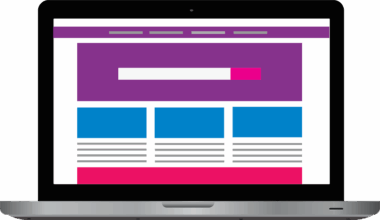
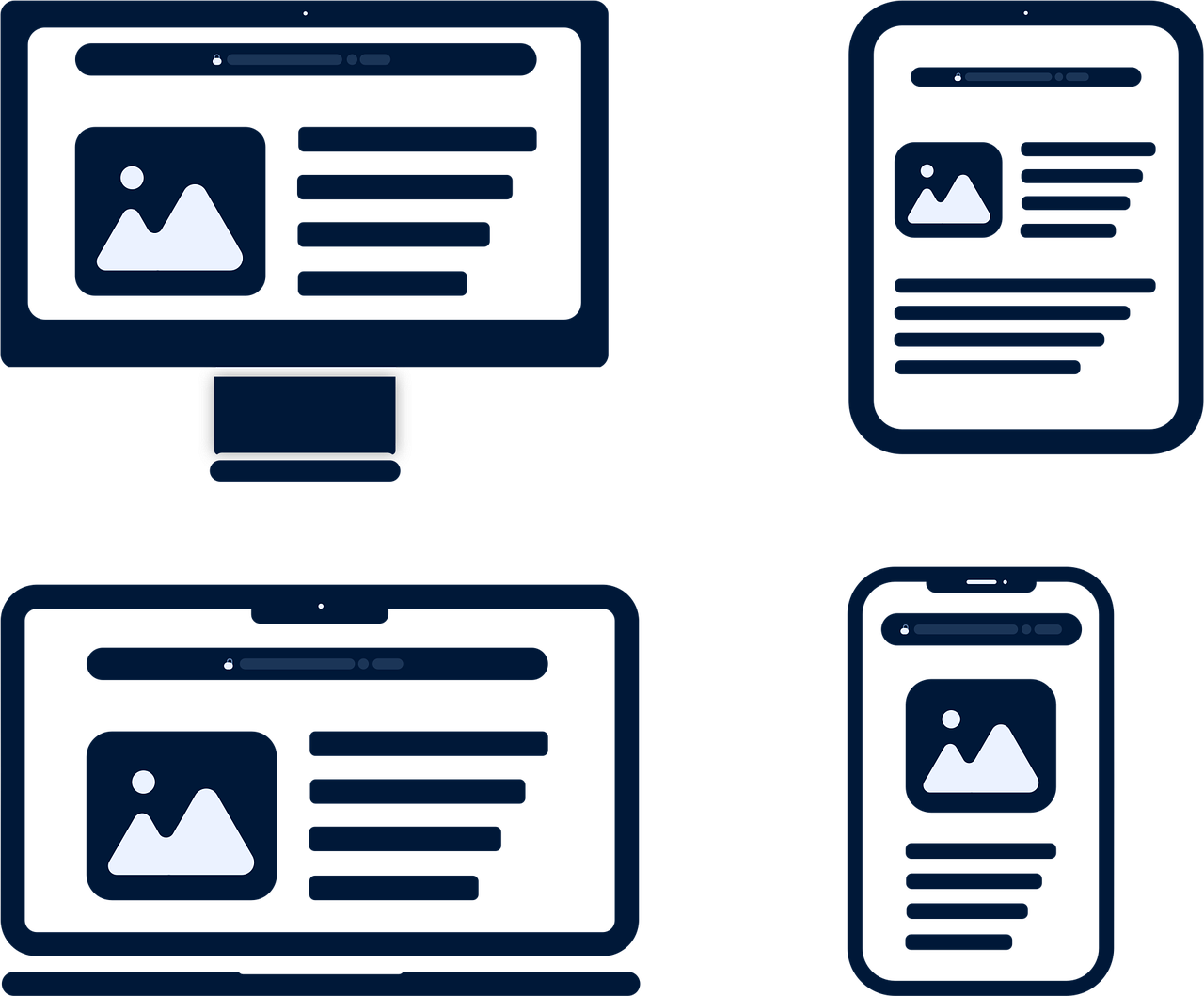
Creating an engaging user experience across multiple platforms is essential for modern digital strategy. Responsive design techniques serve as the cornerstone for achieving effectiveness in cross-platform engagement. By accommodating various screen sizes and resolutions, your website ensures accessibility, thereby broadening your audience reach. Implementing responsive design improves loading times, which significantly impacts user experience and site rankings in search engines. Consider using fluid grids and flexible images to foster a smoother navigation experience. This brings a consistent brand message across different devices, encouraging social media sharing and follower engagement. Test your design extensively on different devices, using tools or simulators to assess responsiveness. This proactive approach will help identify elements that may disrupt user interaction, ensuring you refine your design prior to launch. The more streamlined your design is, the easier it is for users to engage with your social content. Use analytics to track user behavior on various devices, identifying trends or discrepancies in engagement. Adopting these strategies will yield better engagement as users appreciate a seamless, enjoyable browsing experience.
Crafting engaging content is necessary, but delivery plays an equally critical role. Your responsive design needs to prioritize functionality while balancing aesthetics. Keeping a clean layout avoids overwhelming visitors with unnecessary elements. Strong typography and a cohesive color palette must align with your brand’s identity. Consider using contrasting colors for call-to-action buttons to enhance visibility and increase interaction rates. Another essential aspect is ensuring that forms are easy to complete on all devices. Shortening forms and using auto-fill options can significantly improve form completion rates. This, in turn, leads to increased social media shares and follower counts. Ensure that your site’s components, such as menus and links, are easily clickable on smaller screens. If visitors face challenges interacting with your design, they’re likely to abandon your site without further exploration. Utilize spacing effectively between clickable elements to prevent mis-clicks. Adopting mobile-first design principles may be beneficial for creating optimized layouts, focusing first on mobile users and then expanding to larger screens. Consistently update design elements based on user feedback to address potential pain points and enhance the responsive experience.
Emphasizing Multimedia Elements
Integrating multimedia elements such as images, videos, and infographics can significantly enhance engagement across platforms. Content that visually communicates messages tends to resonate more with users, enticing them to share on social media. Responsive multimedia applications render well on various devices, which ensures that content is always dynamically served. Rely on adaptable image formats that preserve quality without compromising load speed, as this is crucial for user retention. Employ responsive video players that adjust to the viewer’s screen size, adapting the experience seamlessly. Craft compelling video thumbnails with attention-grabbing captions to entice customers to engage. Use storytelling techniques in videos or graphics, connecting emotionally with your audience to foster a deeper connection. Additionally, optimizing your media for SEO will improve visibility, attracting even more followers. Note that alt text for images is a necessity; it boosts search rankings while making your content accessible to those using screen readers. Monitor engagement metrics closely, identifying which multimedia elements are most effective with your audience. This analysis enables you to refine content strategy moving forward, ensuring maximum impact.
Social media integration is vital for cross-platform responsive design. Facilitating easy sharing through strategically placed social buttons will encourage users to disseminate your content further. Icons should be large enough on touchscreens to enable effortless interaction, thus minimizing barriers to sharing and engaging. Also, ensure these icons are responsive, so they adjust to various screen resolutions. Promoting interactive content like polls and quizzes can increase user interaction while also providing insightful data regarding your audience’s preferences. Engage users by embedding social feeds directly into your design; this encourages visitors to engage with your profiles. Regular updates on your social platforms prompt followers to comment, like, and share posts, creating an ongoing loop of interaction. Lastly, consider employing third-party tools that enhance social aspect integrations into your platform. Examples include live chat or customer service bots that facilitate immediate inquiries, keeping user engagement high. Remember to optimize your content for the algorithms of different social media platforms—what works on Instagram may differ from practices on Twitter or Facebook, so tailor accordingly. Engaging users in authentic ways can result in heightened loyalty and a growing follower base.
Feedback Loop Implementation
Collecting feedback is a valuable approach to improve cross-platform responsive design continuously. Implementing user feedback mechanisms such as surveys or ratings can help identify areas needing enhancement. This proactive method creates a sense of involvement among users, fostering loyalty as they feel heard and valued. Analyze the feedback and make iterative changes to your design, responding promptly to user concerns. It creates a culture of adaptation, vital in the ever-evolving digital landscape. Additionally, utilize tools to track user behavior such as heat maps, to gain insights into areas that capture most of their attention. This valuable data helps to inform further design decisions, making sure your platforms remain user-friendly. Transparency often leads to increased trust; share updates and improvements prompted by user feedback on your social channels, thereby enhancing engagement. Engage users in conversations about prospective changes, inviting them to participate in shaping the design. This creates a community around your brand and elevates user engagement to an entirely new level—the heart of responsive design lies in never ceasing to adapt.
Consistency across all platforms is more than a nicety; it’s essential for building brand identity and fostering user trust. A cohesive look and feel—ranging from fonts to colors—reinforces your brand image while ensuring users can recognize and connect with your content across different devices. When users recognize your branding, they are more likely to engage with your content, following authenticity and trust. Take note of performing A/B testing to examine how changes in design impact user engagement across platforms. This valuable insight can provide clear data on the effectiveness of different layouts, colors, or formats. The right adjustments can lead to increased user engagement significantly. Using consistent navigation elements across devices helps users easily transition from one platform to another, further encouraging continuous engagement. Additionally, maintaining a consistent voice across your social media engagement and site content reinforces your online presence, driving resonance with your audience psychology. Regular audits of design consistency across different platforms can help track changes and ensure that branding remains strong and cohesive throughout all user interactions.
Conclusion and Future Perspectives
Cross-platform responsive design plays a pivotal role in amplifying social and follower engagement. As user behavior continues to evolve, staying ahead requires that you adopt innovative techniques in responsive design. Balancing aesthetics with functionality, while considering user experience, is crucial for maximizing interaction. Regularly updating your design based on analytics and user feedback keeps the user experience fresh and engaging. The relationship between content, design, and audience interaction is dynamic; conduct ongoing assessments to react to shifting preferences. Multimedia strategies that focus on storytelling can further enrich user experience when positively received. Adapting your social media presence alongside responsive design can enhance engagement, as the lines blur between platform skins and mobile interactions. This interconnected ecosystem propels your brand forward, nurturing relationships with followers. Utilize emerging technologies such as augmented reality or artificial intelligence that provide further avenues for engagement, making future interactions even more compelling. Reach out to your community regularly, inviting them to be part of the design journey. Embracing change while ensuring a consistent brand experience will allow your company to build a loyal and engaged audience.