
Implementing Social Login Systems Across Multiple Platforms for Enhanced Follower Growth
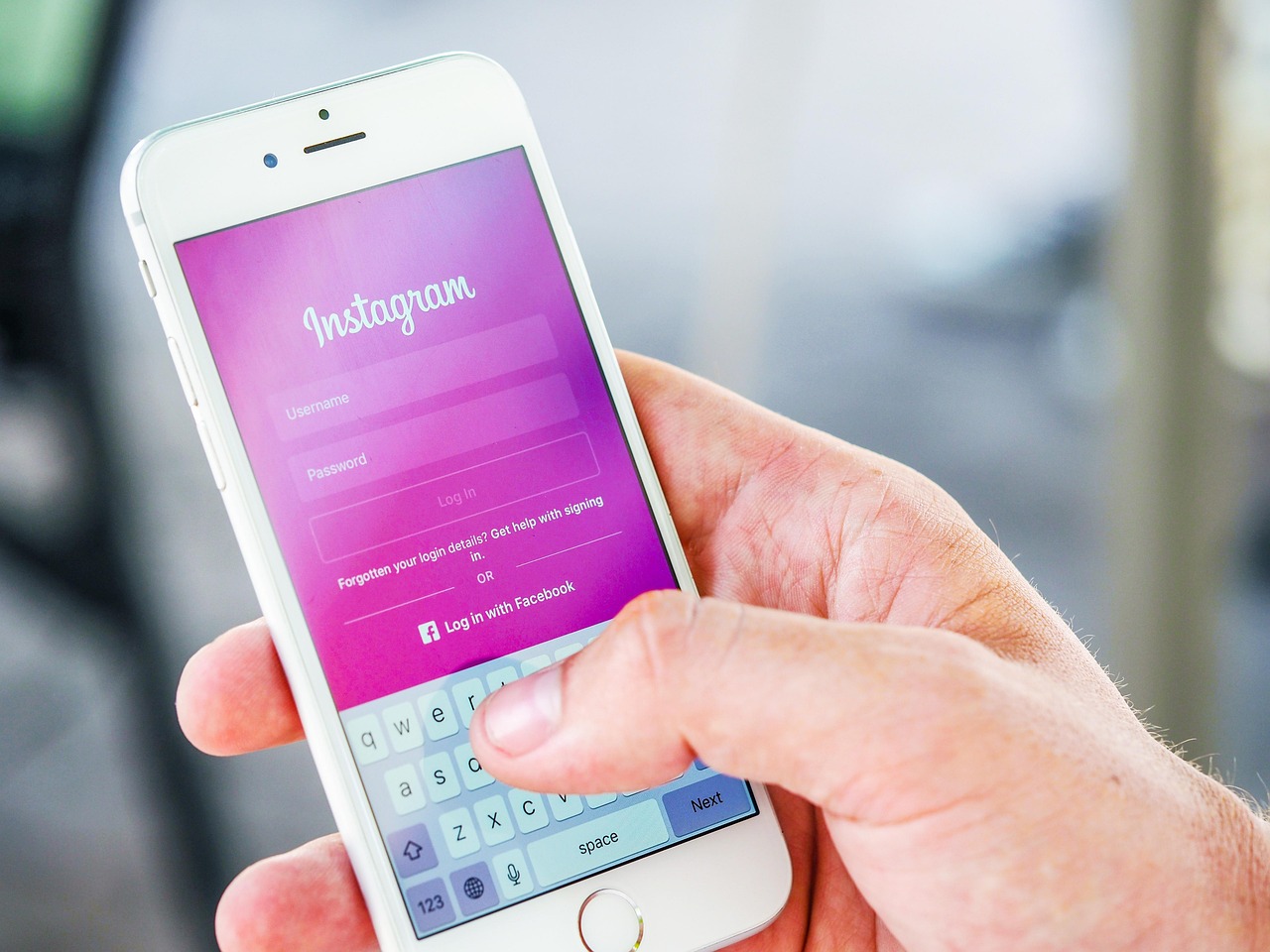
In the world of digital engagement, implementing social login systems can significantly enhance user experience. Social logins allow users to access platforms using existing social media credentials, thereby streamlining the registration process. With reduced friction, potential followers are less likely to abandon the registration process. Websites that utilize social login can see increased conversion rates due to the ease of access. Moreover, this method minimizes the need for users to create another username and password, which many find cumbersome. It simplifies the journey for users across diverse platforms. Enhanced usability leads to a lower barrier to entry, thus enriching overall follower growth. Notably, social login also promotes faster data collection for businesses regarding user demographics and interaction patterns. Businesses can tailor their content and marketing strategies based on this relevant data. With social login systems, companies can foster a community of engaged users. Overall, this approach is increasingly becoming a necessity for digital platforms aiming to stay competitive in a crowded market. Streamlining the login experience has multifaceted benefits that go beyond mere follower counts.
Another significant advantage of incorporating social login systems is the improved user trust and security it fosters. When users log into platforms via established social networking sites, they often feel safer. Major platforms like Google and Facebook invest heavily in security measures, which boosts confidence in users who prefer not to input their personal information. They are likely to interact more when assured their data is protected due to the involvement of these trusted entities. Furthermore, utilizing third-party authentication can also lead to reduced operational costs associated with password management. Businesses no longer need to worry about the security implications of storing password data themselves, minimizing potential vulnerabilities. Customers appreciate simplicity, and social logins help achieve that by allowing seamless integration across various platforms. This integration can be beneficial for marketers targeting different audiences in varying online environments. In addition, social logins support multiple devices, ensuring users enjoy a consistent experience. Users can connect from smartphones, tablets, or desktops without difficulties. Ultimately, businesses can expect to see both loyalty and increased interaction from the customer base due to these advantageous systems.
The Role of User Engagement in Growth
Engagement is a crucial factor in follower growth, and social login systems enhance this aspect considerably. With social logins, users can share content from platforms directly to their social media channels, thus widening visibility. When followers share content, it can lead to exponential growth due to increased exposure from their social networks. Moreover, these shared interactions can create a ripple effect, leading to further engagement from friends and followers. Tracking engagement metrics becomes simpler with social logins as they provide insights into user behavior. Businesses can observe what content users are sharing, liking, and discussing. This valuable feedback helps in shaping future marketing strategies. Additionally, leveraging social login systems encourages communities to develop, fostering collaboration among users. People naturally gravitate toward platforms that allow them to communicate with peers. Therefore, implementing social logins can hence be seen as an investment in building a loyal user base. Effective utilization of this tool not only enhances follower numbers but also nurtures ongoing relationships, paving the way for long-term growth strategies. It emphasizes the importance of social interaction in the digital landscape.
Considering user analytics, integrating social login systems provides businesses with invaluable data. The collected information from social media accounts can grant insights into user preferences and trends. Businesses can analyze this data to tailor their content more effectively. Enhanced targeting can lead to better marketing campaigns. Social logins facilitate the segmentation of audiences based on behaviors and interests drawn from their social interactions. This information allows companies to develop personalized strategies that resonate with their followers. Furthermore, analytical tools can be implemented alongside these systems to measure engagement success over time. By using these insights, platforms can refine their approaches to retain followers and grow their audience effectively. Utilizing social media analytics in conjunction with social logins creates a feedback loop that continuously improves user experience. This cycle reinforces the brand’s direction and helps ensure that offerings align with user expectations. Besides, these analytics can reveal the best times for engaging content delivery, maximizing visibility. Thus, businesses not only enhance their follower count but also create a well-informed approach to maintaining and increasing user interest.
Customization and Personalization Drove by Data
Customization and personalization significantly benefit from social login systems when engaging users. With social media data at their fingertips, platforms can offer tailored experiences, which users crave. This personalization ranges from customized recommendations based on interests to curated content that aligns with follower preferences. By analyzing data contributed through social logins, businesses can create unique pathways for users. Engaged customers enjoy experiences curated to their tastes, promoting increased loyalty and advocacy for the brand. Such tailored experiences lead to higher interaction rates and transform casual users into devoted followers. Furthermore, integrating social logins with customer relationship management (CRM) tools can enhance this approach. Businesses can monitor interactions not only through direct content but also through the user’s social presence. This additional layer of understanding fosters deeper connections with customers, building rapport over time. Engaging with followers through personalized interactions creates memorable experiences. This ultimately drives stronger follower growth through word-of-mouth and recommendations. Customization can revolutionize how users perceive interaction opportunities across platforms. Overall, enhancing personalization through social logins reflects the company’s commitment to providing meaningful online experiences.
As technology advances, integrating social login systems fosters innovative collaboration opportunities. These systems can link multiple platforms and facilitate joint venture initiatives. Synergizing content across various social spheres can foster follower growth that otherwise might not be achievable through isolated efforts. Businesses can explore opportunities for partnerships that benefit their user bases, promoting cross-high traffic between platforms. For example, a partnership between a fitness app and a healthy food website could leverage social login systems to enhance user experience. Such collaborations result in exponential follower growth as businesses tap into complementary audiences. Additionally, by combining resources, platforms can innovate and create engaging events or promotional campaigns, increasing their visibility. Such collaborative efforts enable brands to develop unique offerings that encourage active participation. This synergy can drive follower growth through shared resources and innovative ideas. Users appreciate experiences that unite various aspects of their interests. By emphasizing collaboration, brands can amplify their reach and elevate engagement levels significantly. For instance, users might sign up for one platform out of interest and discover engaging worlds within allied platforms, leading to overall digital enhancement.
The Future of Social Logins in Web Development
As we look to the future, the application of social login systems will likely expand. Emerging technologies such as artificial intelligence and machine learning can further personalize these experiences. By anticipating user needs based on past behavior, businesses can create predictive interactions that draw followers in before they even log on. This foresight can enhance user satisfaction and engagement while simultaneously streamlining the login process. Furthermore, as social media platforms evolve, new functionalities may emerge that enrich these login systems. Businesses must adapt to these transformations and harness innovations. By staying ahead of upcoming trends, companies will ensure that their systems remain relevant. Thus, implementing social login systems is not just an option; it is a path to sustained competitive advantage. Future web development initiatives will continue incorporating social logins to enhance user interactions and loyalty toward brands. Companies that embrace these innovative strategies will thrive, thereby reinforcing their follower growth goals. The importance of social login systems in building communities cannot be overstated. By integrating future technologies, a well-rounded growth strategy will lead to enduring success in the digital realm.
In conclusion, implementing social login systems across multiple platforms presents a significant advantage for businesses focused on follower growth. These systems enhance user engagement, streamline access, and foster community relationships among users. Furthermore, they offer valuable insights into user behavior and allow for content customization for improved experiences. As these platforms shift towards relying on social login methods, businesses should embrace these changes to innovate and maintain relevance in their industries. The potential for increased conversion rates due to enhanced security and trust serves as critical motivation for this implementation. All these factors culminate in a strategy that enhances both user experience and follower growth collectively. Social login systems are not passively integrated; they must be actively leveraged to realize their full potential. Thus, businesses will need to assess and adapt their current systems while remaining attentive to user needs. Industries across the board can benefit from these strategies, leading to long-term engagement and user loyalty. Therefore, the future success of brands within competitive markets hinges on their ability to implement and maximize social login systems effectively.