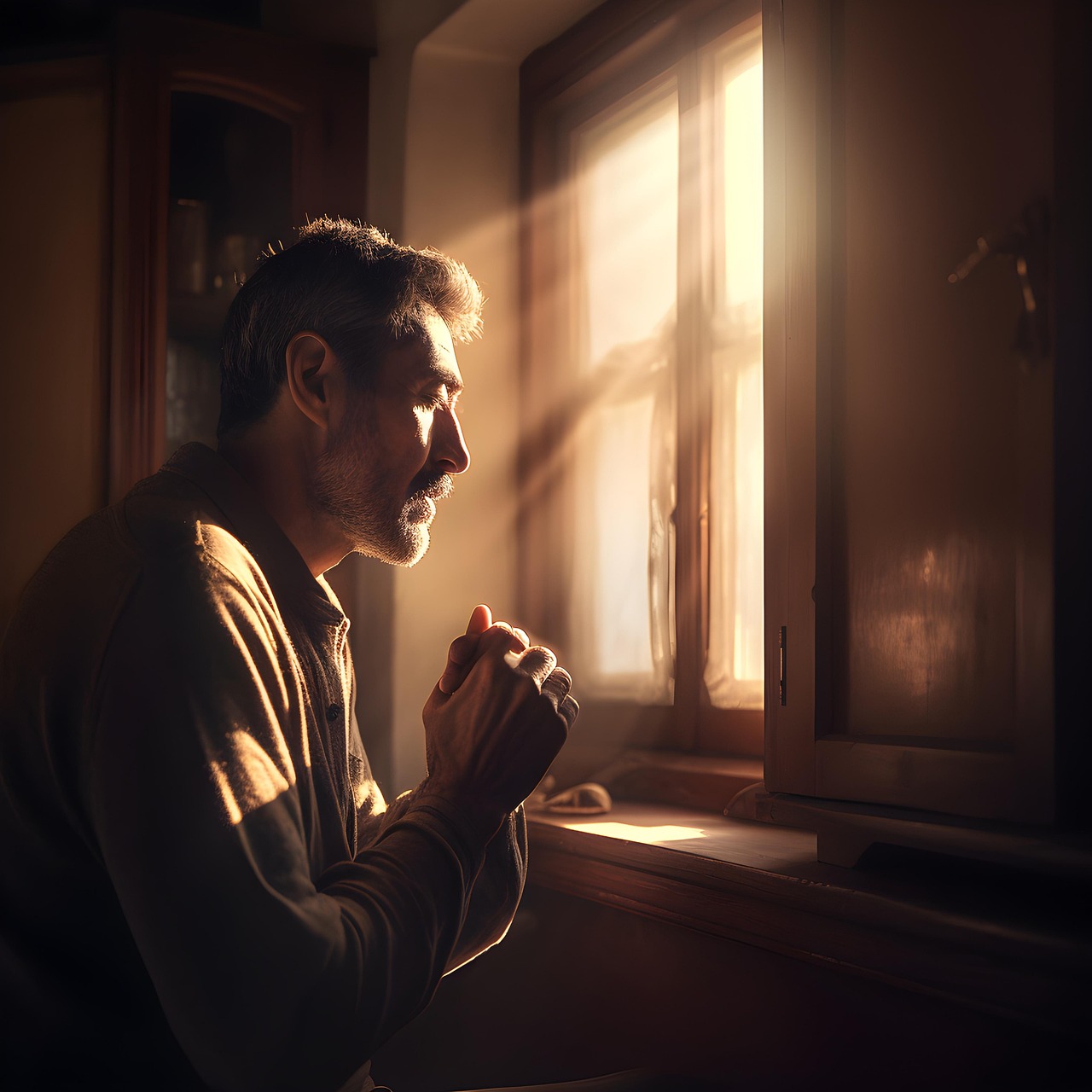

How to Create Cinematic Lighting Effects for YouTube
Cinematic lighting is vital for enhancing the visual appeal of your YouTube content. Fluency in lighting techniques can dramatically transform your videos, creating a captivating atmosphere. First, consider the three-point lighting technique, which comprises key, fill, and back lighting. The key light is the primary illumination source, usually placed in front or to the side of the subject. Fill light softens harsh shadows and is typically at a lower intensity than the key light. Back lighting adds depth by separating the subject from the background. It’s crucial for establishing a flat and uninviting look while achieving depth. Experimenting with these lights can create various moods. Additionally, color temperature matters significantly when addressing setups. Mix the color temperatures in your lighting to create a more appealing look; for instance, mixing warm and cool lights can yield interesting cinematographic effects. Testing different setups before filming can help provide the desired atmosphere your video needs. So, invest in versatile lights and accessories that allow adjustments to enhance your lighting quality. Your audience will appreciate the effort, enhancing overall engagement.
Understanding Light Types for YouTube
The types of lights you use for YouTube content are crucial in shaping your cinematic look. LED lights are preferred for their versatility and low heat output. They provide powerful illumination, allowing easy color adjustments to achieve various tones and moods. Tungsten lights, despite producing warmer light, may require filters to balance color. Softboxes diffuse harsh lights and reduce shadows, helping deliver even lighting on your subject. This equipment setup becomes essential for interviews or vlogs where natural skin tones must be represented accurately. If you’re filming outdoors, consider utilizing reflectors to bounce sunlight strategically. This can add dimension and brightness while controlling shadows effectively without complicated light setups. The golden hour, just after sunrise or before sunset, can deliver beautiful natural light. Recognizing how to manipulate natural light enhances the movie feel of your videos, presenting a professional touch. In conjunction with artificial lighting, mixing both can yield unique results. As your lighting skills improve, pay attention to shadows and highlights, ensuring the visual elements are eye-catching without overshadowing the subjects.
To achieve high-quality cinematic lighting effects, it’s essential to embrace light modifiers effectively. Softboxes, umbrellas, and diffusers play an important role in softening light sources, creating a balanced look on your subjects. Modify harsh lights, especially when recording close-ups, where every imperfection can be exaggerated. Light modifiers also help to add dimension to your setup, enriching the visual depth of scenes dramatically. Using grid systems on softboxes can help direct light where it’s needed most, avoiding unwanted spill, which distracts from your subject. Pay attention to how modifiers affect the light spread, allowing you to craft specific moods and atmospheres on set. If you’re interested in more advanced techniques, consider using gels to alter the color of your light sources. These can infuse your videos with vibrant colors to complement the themes of your content. Based on your desired outcome, pairing complementary colors can invoke specific feelings in your audience. Each color leads to unique emotional responses, like warmth and excitement or coolness and calm. Thus, experiment with various light modifiers for optimal results and transform ordinary scenes into extraordinary cinematic experiences.
Practical Tips for Lighting Arrangements
When setting up your lighting arrangement, consider the space you are working with. Smaller spaces require more ingenuity to avoid clutter and maintain effective lighting. Utilize natural light sources whenever possible, as they can be enhanced with additional lights for an inviting ambiance. Consider broadcasting environments with multiple light sources; shadows can vary drastically, requiring adjustments to achieve even illumination. Use dimmer switches or adjustable LED bulbs to maintain flexibility in lighting power. This helps create a light ambiance suited to different parts of your video. Position the lights at angles, ensuring they adequately illuminate the subject without harsh contrasts; wrap lights with soft fabrics for a softer look. Also, remember the importance of lighting direction. Experimenting with low or high angles can yield interesting effects; side lighting can highlight your subject’s profile and establish depth. Practicing various arrangements before recording allows understanding how the lights interact with your environment and subjects, helping to polish your presentation effectively. Lighting is not merely about aesthetics; it affects audience perception and engagement with the content directly.
Another aspect to consider is maintaining consistent lighting throughout your YouTube videos. This is especially important if you’re filming multiple scenes on different days. To achieve consistency, use the same type of lights and settings across all your shoots. Calibrate your cameras to these lights to avoid color inconsistencies. Testing your equipment before filming is essential; take sample shots in various arrangements to see how they look. This helps in identifying potential problems beforehand, ensuring that your final product is polished and professional. Take notes on the lighting settings that work best and replicate them in future recordings. For those on a budget, consider DIY solutions. Building simple light reflectors using white boards or foam can help improve your room’s lighting. Additionally, monitor how light changes throughout the day, especially if filming long scenes. Being mindful of time and production schedules can help manage lighting changes effectively. The key is to ensure all parts of your video maintain a cohesive look. Ultimately, consistency aids in communication with your audience, ensuring they remain engaged throughout.
Advanced Techniques for Cinematic Lighting
As you become more comfortable with lighting, consider diving into more advanced cinematic techniques that can elevate your YouTube content. One powerful method is to employ practical lighting, which involves using light sources that appear naturally within the scene, such as lamps and candles. Practically placed lights add realism and depth to your storytelling, enhancing viewer immersion. Additionally, explore the possibilities of colored lighting to create mood variations. Different colors can communicate distinct emotions, such as blues for sadness or reds for passion. Incorporate these colors thoughtfully to evoke specific feelings during critical moments. HDR (High Dynamic Range) lighting can also benefit your productions by enhancing detail in both bright and dark tones. This often requires more sophisticated cameras and lighting setups but delivers breathtaking results. Experiment with spotlights to create focal points within your scene, guiding viewers’ eyes to attributes you want them to focus on. Mastering these advanced techniques will ultimately take your cinematic lighting skills to the next level, greatly impacting your overall video quality. Therefore, practice makes perfect; do not shy away from experimenting!
Finally, positioning yourself for optimal efficiency is key when integrating lighting into your YouTube setup. It’s essential to select lighting that aligns with your filming style while providing the flexibility needed for various shoots. Choose mounting solutions for lights that allow quick adjustments and repositioning as required. Also, evaluate the cost-effectiveness of your lighting setup; balancing quality and affordability can help sustain long-term projects. Additionally, performing regular maintenance on your equipment ensures that everything works optimally. This includes cleaning lenses and checking bulbs for any signs of burnout. Prioritize learning about control systems that offer wireless management capabilities, allowing easier changes while focusing on your performance. Don’t rush the learning process; explore various styles and lighting arrangements, documenting what works brilliantly and what doesn’t. Engage with fellow content creators to exchange tips, fostering an environment of growth and inspiration. Ensure you’re not only learning new techniques but also enjoying the creative cinematography journey. YouTube is about storytelling; excellent lighting fosters the narrative that captivates audiences, making the effort worthwhile.