
Role of Mobile Social Media in Facilitating Mental Health Resources Access
In recent years, mobile social media has transformed the way individuals access mental health resources. Through platforms like Instagram, Twitter, and Facebook, users can find vital information and support networks regarding mental health-related topics. Not only do these platforms serve as conduits for distributing mental wellness content, but they also provide a space for both individuals and professionals to share experiences. These interactions, fueled by the immediacy of mobile technology, enable users to develop meaningful connections with communities focused on mental health. Furthermore, mobile accessibility ensures that mental health resources are available anywhere and anytime, breaking down geographical barriers. Hence, people living in remote areas now have the opportunity to access advice and support without the need for physical appointments. Importantly, social media also fosters awareness campaigns, facilitating discussions that reduce mental health stigma. By participating in these dialogues, users can find solace in shared experiences, which ultimately contributes to improved mental well-being. This interconnectedness promotes a healthier society as mobile social media continues to shape access and understanding of mental health issues effectively.
Mobile social media provides essential benefits for mental health accessibility, particularly among young individuals. As mental health challenges disproportionately affect younger populations, platforms like Snapchat and TikTok offer unique creative channels to express emotions and illustrate personal struggles. For instance, short video clips or emotional stories can prompt discussions on mental health, allowing adolescents to feel less isolated. Additionally, these platforms can help promote various mental health resources, such as helplines or local services, directly to users’ feeds. Many organizations utilize social media influence to raise awareness and promote advocacy, leading to the normalization of conversations surrounding mental health. Young users are thus empowered to seek help and share resources, further solidifying the role of social media in enhancing mental health dialogues. However, it is crucial to mention that this environment must still be monitored closely, as social media can sometimes perpetuate mental health issues by fostering unrealistic comparisons. Finding a balance between positive engagement and potential negative influences remains important for the long-term success of these initiatives. Therefore, ensuring a healthy relationship with mobile social media platforms is essential for their effectiveness in supporting mental health.
Community Support through Mobile Social Media
One of the powerful aspects of mobile social media is its ability to create supportive communities around mental health. Users can easily find groups that resonate with their experiences, challenges, and needs, resulting in a sense of belonging and understanding. These online communities serve as emotional safe spaces where individuals share coping strategies, struggles, and victories. The anonymity of social media often encourages more candid discussions, helping those who might feel uncomfortable in traditional settings. For example, specific hashtag campaigns, such as #MentalHealthAwareness, can unify users, creating a collective movement that supports each other. Additionally, mental health professionals often participate in these online communities, offering valuable insights and guidance. This combination of peer support and expert advice can significantly alleviate feelings of isolation. Despite these advantages, users should remain vigilant about misinformation and the need for evidence-based resources. Identifying credible sources is crucial for fostering an informed community. Thus, mobile social media not only promotes connection but also serves as a launching point for meaningful engagement in mental health discussions.
Engagement in mobile social media’s mental health discussions has also led to transformative advocacy work. Users can mobilize quickly, spread awareness about mental health conditions, and request legislative changes to improve access to care. By sharing personal stories, advocates have the power to humanize mental health issues, encouraging empathy and understanding. Viral challenges, awareness months, and campaigns can significantly increase public engagement, pushing mental health higher on the societal agenda. Moreover, platforms allow individuals to launch fundraising campaigns that directly support essential mental health initiatives. Using social media for advocacy can also help inform policymakers about the pressing needs within communities. By harnessing the collective power of social media users, issues such as affordable treatment options and enhanced mental health services can gain more attention. The rapid spread of information across mobile platforms serves to break traditional barriers, driving mental health discussions into mainstream conversations. As advocacy continues to thrive on social media, the role of citizens as agents for change becomes increasingly significant. Therefore, communities leveraging mobile social media can foster a more compassionate response to mental health issues.
Access to Information and Resources
Mobile social media also serves as a valuable resource hub for information related to mental health. With a few taps on their devices, users can access articles, videos, and support tools that cater to their mental wellness needs. Reputable organizations frequently share research findings, self-help tips, and news about mental health trends through visual and engaging content. This quick access allows individuals to stay informed about the latest developments in the mental health field, making it easier to seek necessary support. Moreover, social media’s shareability enhances the reach of this vital information, broadening the audience who can benefit. When users share posts or tag friends in relevant discussions, awareness spreads organically. Platforms like YouTube host countless videos addressing mental health topics, making learning accessible for those who may prefer visual formats. Importantly, infographics can simplify complex concepts, ensuring that users can grasp essential topics easily. Nevertheless, individuals must critically evaluate the sources of this information in order to avoid misleading content. Thus, social media’s role in providing accessible information can only be maximized with careful discernment.
Another crucial aspect of mobile social media relates to teletherapy and online counseling resources. With the advent of numerous mobile applications, users can now easily connect with licensed mental health professionals via their smartphones. This convenience allows individuals to seek help without the pressure of visiting a clinic, significantly lowering barriers to access. Teletherapy platforms also often include features like chat options and video calls, which cater to different preferences and comfort levels. Given that many people find discussing mental health matters daunting, this level of accessibility can help more individuals take the first step toward seeking assistance. The growing use of video therapy sessions ensures a more personal connection between therapists and clients, fostering trust and rapport. Additionally, the implementation of AI chatbots within some apps aims to offer initial support and guidance, providing resources before connecting users with professionals. It’s essential to emphasize that while mobile social media continues to enhance access to mental health services, users should prioritize finding accredited professionals for their mental health care. Ultimately, technology must complement the human connection at the core of mental health treatment.
The Dual Nature of Mobile Social Media
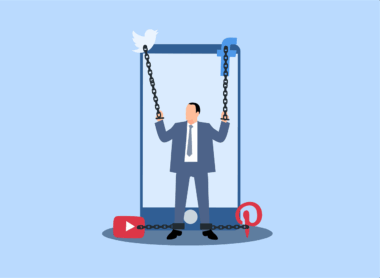
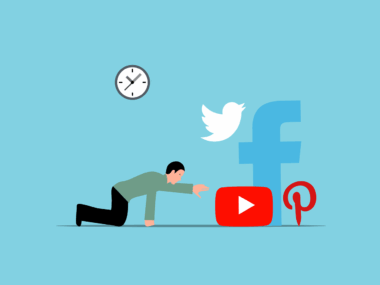
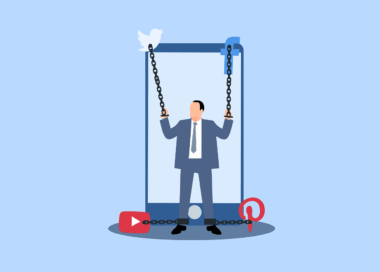
While mobile social media provides significant advantages for accessing mental health resources, it is essential to acknowledge its potential downsides. Some users may experience increased anxiety or depression as a result of engaging with certain online content or interacting with their peers. For instance, exposure to curated perfection on social media can distort self-image and produce feelings of inadequacy. Additionally, cyberbullying and negative comments can lead to worsened mental health outcomes, particularly for vulnerable populations. Thus, users must approach their social media habits consciously, keeping a balanced perspective on what they consume and share. Setting healthy boundaries around usage can alleviate potential distress, guiding individuals toward more uplifting content. Many users find that curating their feeds to follow positive, informative accounts can enhance their overall experience. Moreover, unfollowing or blocking negative influencers may lead to improved well-being. It is evident that while mobile social media can harm mental health, it can also offer healing avenues through supportive networks. Striking a balance between participation and safeguarding mental health remains crucial for all users of mobile social media platforms.
In conclusion, mobile social media has played a transformative role in facilitating access to mental health resources. Through various platforms, users enjoy unprecedented connectivity, allowing them to find vital support systems and advocacy opportunities. This interplay between technology and mental health care enhances the lives of countless individuals seeking understanding and resources. Nonetheless, it remains critical to navigate this landscape with care, ensuring that people can engage positively while shielding themselves from the potential downsides. Empowering individuals to recognize the importance of mental health and the valuable avenues social media provides is essential. As society continues to embrace mobile technologies, these platforms must prioritize user well-being and equip individuals with the necessary tools for mental wellness. Enhancing knowledge and understanding regarding mental health issues must stay at the forefront of these efforts. By fostering supportive environments and striving for a stigma-free culture, we can effectively utilize the benefits of mobile social media. Moving forward, embracing the digital age, organizations and users alike can work together in promoting mental health awareness, ultimately leading to a healthier global community.