
Leveraging Push Notifications for User Re-Engagement in Social Networks
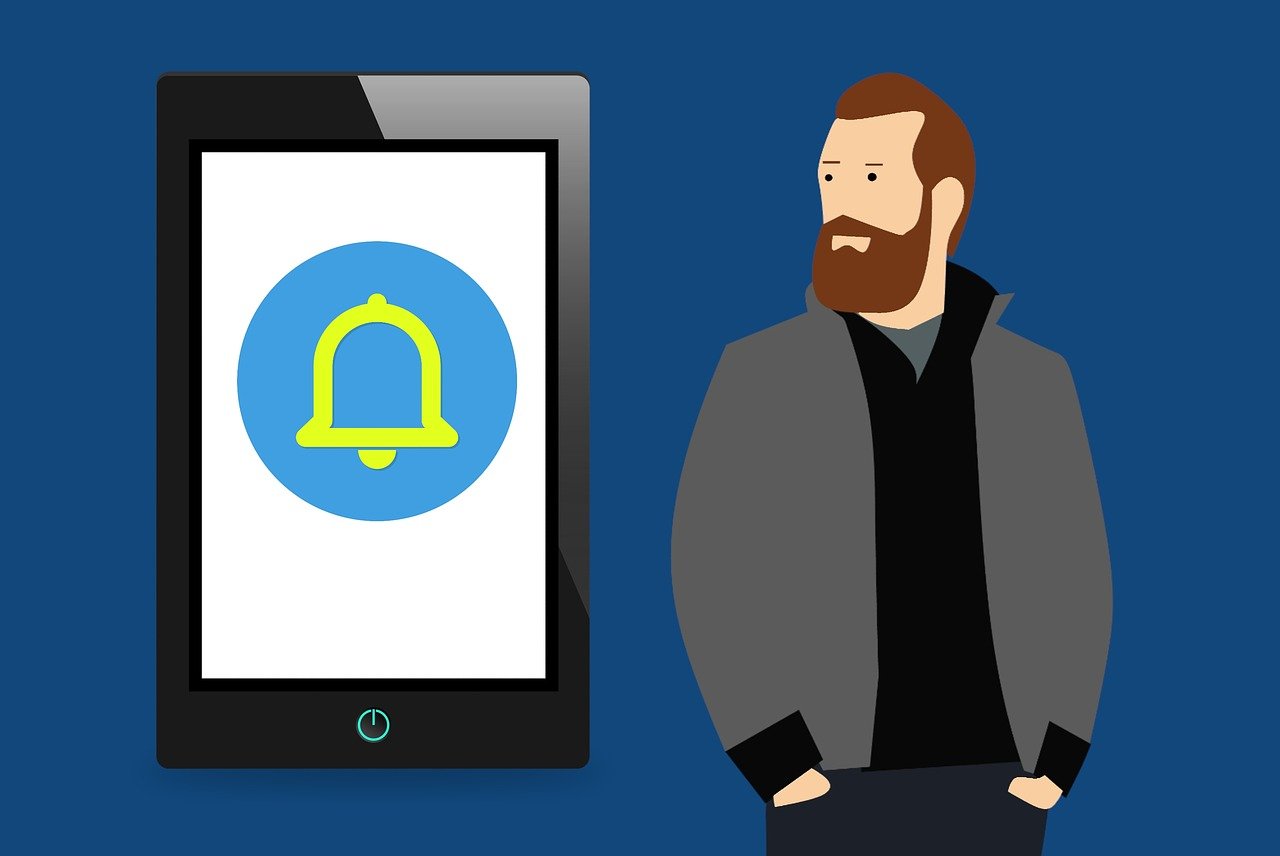
Push notifications have emerged as a vital tool for app developers and marketers to re-engage users in social networks. By sending timely and relevant reminders, brands can effectively draw users back to their platforms. Using data analytics, social networks can customize these notifications based on user behavior, preferences, and interests. This personalization ensures that notifications resonate with individual users, fostering a deeper connection. Notably, studies indicate that personalized notifications have click-through rates significantly higher than generic ones. This strategy can be pivotal in keeping a social platform active among its users. Implementing push notifications requires a well-thought-out strategy. Identify key moments when users are likely to engage, such as during significant events, anniversaries, or product launches. Craft compelling messages that create urgency, such as limited-time offers or exciting news. Additionally, integrating interactive elements can further boost engagement. Techniques such as rich media notifications can catch users’ attention effectively. Furthermore, always allow users to manage their notification preferences. A user-centric approach can enhance satisfaction and potential user retention rates. Thus, well-executed push notifications can serve as a powerful mechanism for re-engagement.
Another essential aspect of utilizing push notifications effectively is timing and frequency. Understanding when users are most likely to engage is critical for maximizing the impact of notifications. Over time, social networks can analyze user activity patterns to determine optimal sending times. Additionally, varying the frequency of notifications helps maintain user interest without overwhelming them. Finding the right balance in the frequency ensures that the notifications are perceived as valuable, rather than annoying. One strategy involves segmenting users based on their engagement levels to tailor the messaging further. Actively engaged users may appreciate frequent updates on new features, while less active users may benefit from gentle reminders about pending activities or new friend requests. This segmentation allows for targeted messaging that caters to users’ unique preferences and behaviors. By ensuring that push notifications are concise and informative, social networks can boost user engagement effectively. Providing users with clear calls to action in notifications can also enhance click-through rates. Users should feel compelled, curious, or excited enough to respond to the prompts in those notifications. This can lead to higher user interaction, ultimately improving overall engagement levels.
Static vs. Dynamic Content in Notifications
Push notifications can be further enhanced through the choice between static and dynamic content. Static notifications tend to deliver a consistent message, often reinforcing ongoing campaigns or promotions. In contrast, dynamic notifications utilize real-time data to display personalized updates for users, such as new connections, trending topics, or custom offers tailored to user activity. Dynamic notifications have shown to substantially boost engagement, as they keep users in the loop with timely, relevant content. Using updates based on current events or user interactions can boost engagement levels significantly. For instance, a social network can send notifications about a trending discussion regarding a user’s shared content. Such notifications create a sense of relevance and immediacy, prompting users to re-engage promptly. Engaging users with shares, likes, and comments on their content can significantly increase the likelihood that they return to the app. Furthermore, balancing static and dynamic content offers platforms versatility in targeting their audience effectively. Static content can be reliably scheduled, while dynamic notifications can respond quickly to interactions. Utilizing both forms allows platforms to keep their messaging fresh and relevant, enriching user experience and fostering loyalty.
Moreover, testing different notification strategies is crucial to optimizing user re-engagement in social networks. A/B testing notifications can provide valuable insights into what works best for specific target audiences. Testing parameters like the content type, sending frequency, and call-to-action language can yield trends revealing user preferences. Insights gathered from testing can inform future campaigns and help refine the notification strategy significantly. Implementing user feedback is also essential in this iterative process. Users may express preferences for certain notification types or frequencies, and social networks must adapt to these preferences to maintain user satisfaction actively. Keeping an open channel for feedback can enhance the overall user experience. Furthermore, monitoring engagement and performance metrics helps in assessing the effectiveness of push notifications. Metrics such as open rates, click-through rates, and long-term retention give insights into user behavior. Analyzing these metrics enables social networks to identify successful strategies that drive re-engagement. Therefore, a data-driven approach supports continual improvement in pushing notifications to ultimately create satisfying user experiences that yield positive outcomes.
Incorporating User Behavior Insights
Incorporating user behavior insights is essential when developing push notification strategies for re-engagement. Analyzing user interactions can reveal trends in preferences, helping platforms devise targeted messaging that resonates. By leveraging machine learning and AI algorithms, social networks can better understand user habits, allowing for timely notifications that feel personal and relevant. For example, if a user frequently engages with specific topics within their social network, notifications centered around those interests can significantly enhance response rates. Monitoring social interactions, posts, and likes can create a more personalized experience that feels engaging and worthwhile. It is essential to remember that genuine user engagement transcends promotional messages; it should focus on building relationships. Thus, the tone and style of notifications matter greatly as they reflect the brand’s voice and values. Employing friendly, conversational language may resonate better with users than robotic or overly formal tones. Furthermore, visually appealing notifications—incorporating emojis, images, or videos—enhance the interaction, making it even more engaging. Ultimately, social networks that leverage user behavior effectively will reap the benefits of increased active users returning to their platforms consistently.
Another effective method for ensuring successful push notifications within re-engagement campaigns involves collaborating with influencers. Influencers can play a significant role in modern social networks, often shaping user preferences and behaviors. Leveraging their reach within notifications can generate excitement and urgency among users. For example, if an influencer promotes an important event within the social network platform, notifying users about that event can drive engagement. Additionally, influencer partnerships can craft meaningful content that resonates positively with users, such as testimonials or shared experiences within the notification. By amplifying the messages sent via push notifications, platforms benefit from the influencer’s established relationship with their audience, nurturing trust and authenticity. Engaging notifications that mention the influencer’s endorsement can capture user attention effectively. Moreover, incorporating special promotions or exclusive content from influencers within notifications can create significant interest. This strategy directs increased traffic to posts, events, or challenges within the social network, prompting users to get involved. Therefore, influencer collaborations within push notifications can play a pivotal role in enriching user interactions and boosting overall engagement levels.
Conclusion: The Future of User Engagement
As social networks continue to evolve, push notifications will remain an integral part of user engagement strategies. The key to success lies in personalization, data analysis, and an understanding of user preferences. By harnessing technology to craft tailored notifications, platforms can maintain a connection with their users, ensuring they feel valued and heard. Moreover, as engagement trends fluctuate, adapting strategies based on user insights will be paramount. Social networks must remain agile in their approach, testing a variety of methods and measurables to optimize their push notification success. Furthermore, building a robust feedback loop with users enhances trust and loyalty. By allowing users to customize their notification preferences, platforms can empower them to choose how and when they want to engage. The coming years will see a greater focus on seamless integration of notifications across devices for continuity of user experience. As technology advances, we can expect push notifications to incorporate innovative features like augmented reality or personalized video messages, maximizing engagement potential. Ultimately, a proactive approach to user engagement holds immense promise for social networks in fostering relationships and enhancing user lifetime value.
In an increasingly competitive landscape, re-engagement has become crucial for retaining users on social networks. Utilizing push notifications effectively can help achieve this goal. When done correctly, these notifications can boost user engagement and make users feel valued. A strategic approach is essential, including understanding the right timing for sending notifications and personalizing the messages. This reinforces the relevance of the notifications sent. Additionally, segmenting the audience based on behavior allows for tailored messaging, increasing the chances of re-engagement. One cannot underestimate the importance of an engaging call-to-action in these messages. Captivating content that includes visuals or invigorating language can attract user attention and prompt responses. Furthermore, feedback loops between users and social platforms can enhance communication and trust, fostering a sense of community and involvement. Leveraging analytics to study previous user engagements drives data-driven decisions that improve the effectiveness of future notifications. With proper execution, push notifications become tools that accomplish more than mere marketing; they foster user engagement, loyalty, and community building. The ultimate goal is to create strong, lasting connections with users for maximum retention and engagement in social networks through effective push notification campaigns.