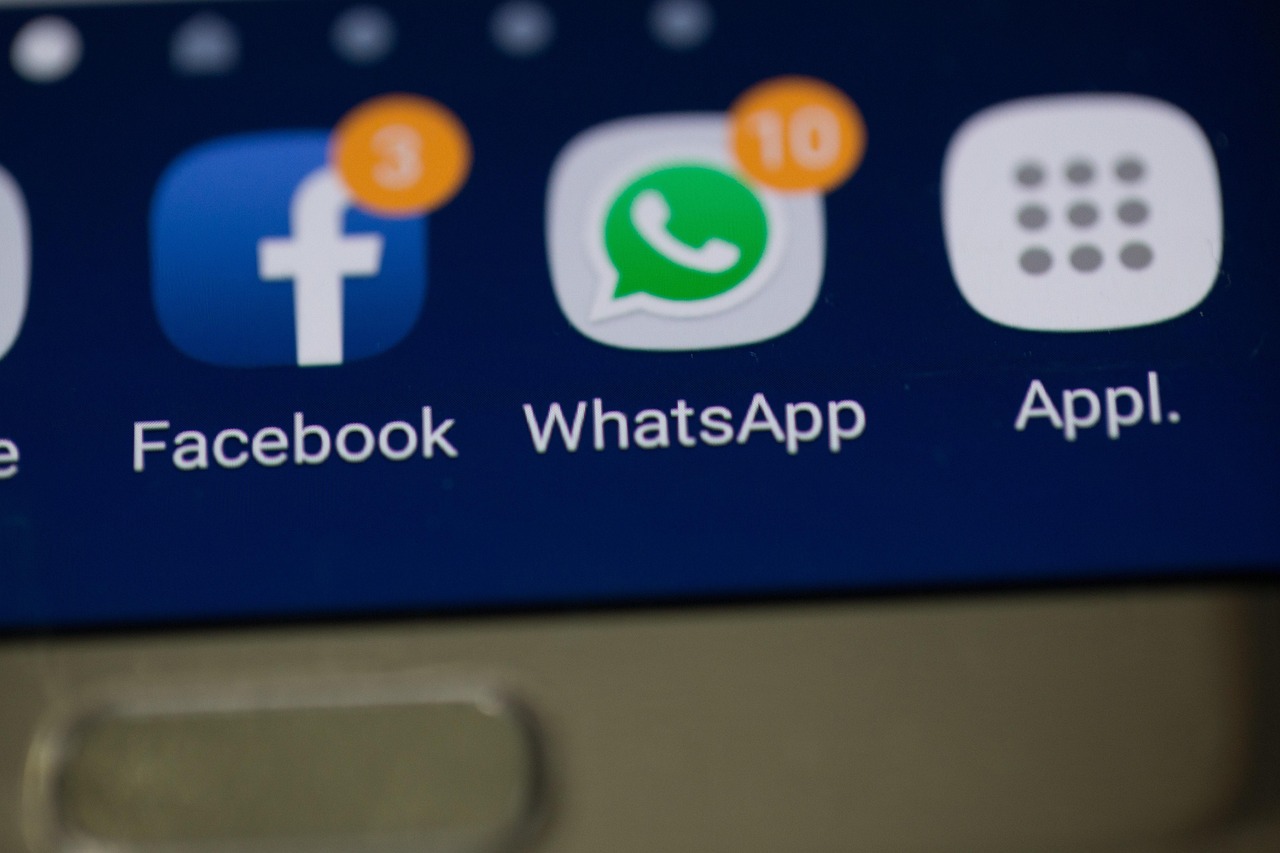

Mobile Social Media Notifications: Benefits and Drawbacks
In the age of smartphones, mobile social media notifications have revolutionized how we communicate. These notifications can alert users of new messages, likes, or comments on their posts instantly. Notifications improve user engagement and retention, as they encourage users to interact frequently. Additionally, they enhance user experience by providing timely updates. However, the benefits come with some drawbacks. Constant notifications can lead to distractions, affecting productivity and focus. Users may find themselves overwhelmed by the sheer volume of alerts, leading to notification fatigue. Managing settings for notifications becomes essential, as users often need to prioritize which app or contact’s notifications should grab their attention. Thus, the balance between receiving important alerts and dealing with non-essential information is crucial. People are encouraged to customize their notification settings. They can turn off non-essential notifications, limiting distractions. Striking this balance contributes to a healthier interaction with mobile platforms. In conclusion, mobile social media notifications have significant advantages for engagement but also require a mindful approach to avoid negative impacts on individuals’ daily lives and productivity.
Understanding Mobile Social Media Usage
The landscape of mobile social media is continuously evolving, shaped significantly by user preferences and technological advancements. Mobile usage encompasses various platforms, each offering different functionalities. Platforms like Instagram, Twitter, and Facebook are designed to provide users with unique content-sharing experiences. The rise of video content has also influenced how notifications are utilized on these platforms. Users receive alerts for live streams, shares, or new video uploads, enhancing interaction. However, research indicates that excessive notifications can lead to user burnout, prompting many to turn off alerts altogether. Privacy concerns also arise from data collected through usage patterns and notification responses. Moreover, younger generations, particularly Gen Z, express a desire for more meaningful interactions on social media. This shift influences how notifications can be tailored to provide value. Users are continuously seeking authenticity and connection, emphasizing quality over quantity in notifications received. Brands and creators are thus challenged to create engaging, relevant notifications that resonate with their audience’s interests. As a result, a balance between value-driven notifications and user responsibility remains crucial in the mobile social media landscape.
Mobile notifications not only inform but also affect emotional well-being significantly. Numerous studies have shown that frequent alerts can cause anxiety or stress as users feel compelled to respond immediately. This pressure may overwhelm them, detracting from their overall enjoyment of social media. The constant pinging of alerts can lead to intrusive thoughts about missing essential updates or being out of the loop. Particularly among younger users, this pressure manifests significantly on platforms where validation is carefully measured through likes and shares. Users may suffer from a pressure to perform or maintain a digital presence continuously. On the opposite end, positive notifications, such as messages from friends or notifications celebrating achievements, can enhance emotional well-being. Such notifications serve to affirm social connections, providing mental boosts. It’s crucial for users to find healthy boundaries when using mobile social media. They can achieve this by reflecting on what type of notifications genuinely enhance their experiences and, ultimately, their emotional health. Awareness of their feelings towards notifications enables users to prioritize their mental well-being over mere social media engagement.
Strategies for Effective Notification Management
To navigate the complexities of mobile social media notifications, users must develop effective management strategies. First, taking control of app permissions is vital. Reviewing which apps have the authority to send notifications can limit unnecessary noise in daily lives. Many smartphones allow users to categorize notifications into priority settings, enabling them to sift critical alerts from non-essential ones. Furthermore, users are encouraged to set designated times for social media checks, helping them resist the urge to respond immediately to every alert. In addition, many platforms now offer features that allow users to mute or schedule notifications. Mute options can provide temporary breaks, which are essential for maintaining focus. During work hours, for instance, users can silence all notifications to enhance productivity. Users should also be aware of their emotional triggers related to notifications. Reflecting on which notifications lead to stress can guide their adjustment of settings accordingly. Lastly, educating oneself on the types of notifications that promote engagement versus those that generate anxiety is a step towards a more balanced social media experience.
Another critical aspect of social media usage involves understanding the ethics and privacy issues linked with notifications. Users often overlook consent regarding their personal data, allowing social media platforms to utilize their information. Notifications often prompt users to engage with content that utilizes algorithms driven by their previous interactions. This engagement can lead to an echo chamber effect, where users only receive notifications based on their previous preferences. Although it feels personalized, this phenomenon can limit exposure to diverse viewpoints. Moreover, backlash against deceptive practices in notifications has increased, compelling social media companies to improve transparency regarding user data usage. Regulations are developing globally to protect users from potential misuse of their information. Users may benefit from familiarizing themselves with the privacy practices of platforms they engage with to better understand how their information is being utilized. By staying updated on privacy changes and adjusting their settings accordingly, users can reclaim control over their online interactions. This empowerment enables users to enjoy a more conscious and mindful social media experience while protecting their digital identity.
The Future of Mobile Social Media Notifications
Looking forward, the future of mobile social media notifications appears poised for transformation, driven by technological advancements and changing user expectations. Innovations such as artificial intelligence and machine learning are progressively enabling platforms to deliver smarter notifications. These technologies can analyze user behavior to send notifications tailored to individual preferences. Furthermore, integration with augmented reality is presenting new dimensions for notifications. For instance, users might receive alerts in real-time during virtual or augmented experiences, creating immersive interactions. In contrast, ethical considerations regarding data privacy and user consent will likely shape how notifications are developed and managed. Companies must prioritize transparency to maintain user trust. As social awareness around mental health grows, future notifications may prioritize user well-being over engagement metrics. Social media brands will need to find a balance between encouraging engagement and ensuring user health and safety. Reducing intrusive alerts may lead to more meaningful user interactions. Overall, the evolution of mobile social media notifications emphasizes the importance of fostering genuine connections rather than merely amplifying digital noise in users’ lives.
Finally, the responsibility for creating a balanced interaction with mobile social media notifications lies with both users and platforms. Users must cultivate self-awareness regarding how notifications impact their mental and emotional well-being. Taking ownership of their notification settings allows them to foster healthier digital habits. Meanwhile, platform developers bear the responsibility of prioritizing user experiences through ethical notification practices. They can embed user feedback into notification design to enhance value. Additionally, educational initiatives from social media companies could empower users with knowledge about managing their alerts. Encouraging open discussions about mental health in relation to mobile social media can also create supportive communities. As society navigates this digital landscape, collaboration between users and platforms presents an opportunity to redefine how interaction is managed. By actively engaging in their digital presence responsibly, users can actively shape the environment surrounding mobile notifications. This ultimately aligns with enhancing user experiences and promotes a healthy relationship with technology and community.
These conversations surrounding mobile social media notifications also lead to a critical awareness of societal impacts and responsibilities. Encouraging best practices in notification handling can contribute to a culture where users feel empowered rather than stressed. The balance between privacy, engagement, and mental health becomes increasingly prominent. By prioritizing user experience, the future of mobile social media can shift decisively towards community-building instead of mere consumption. Understanding user needs while also addressing broader ethical considerations can yield an online environment aligned with well-being. Anticipating trends and innovations may further shape interactions with notifications, emphasizing inclusivity and accessibility. The community-focused approach offers the potential to reshape how notifications operate across platforms, ensuring they contribute positively to users’ lives. For instance, integrating features that allow users to tailor notifications according to emotional needs fosters a responsive social media experience. As platforms evolve alongside user expectations, there is a concerted responsibility to prioritize engagement strategies that champion user health and interaction. Today’s shifting landscape demands constructive dialogues and collaborative efforts, fostering a future where mobile social media notifications enrich, rather than complicate, users’ digital journeys.