
Campaign Analytics for Influencer Marketing Campaigns
Influencer marketing has grown significantly, creating vast opportunities for brands to reach targeted audiences effectively. Campaign analytics offers critical insights that assist businesses in measuring the success of their influencer partnerships. Using advanced analytics tools, companies can evaluate engagement rates, audience demographics, reach, and sentiment regarding campaigns. This data plays an essential role in understanding buyer behavior through the lens of influencer effectiveness. Businesses can adjust future efforts based on the insights from past campaigns, ensuring greater alignment with target audiences. Moreover, successful campaigns require ongoing monitoring to ensure that objectives are continuously met. Identifying trends over time can inform content strategy and help brands stay relevant in an ever-changing market environment. Analytics facilitates the tracking of performance metrics, allowing brands to compare the effectiveness of various influencers. By focusing on the right measurements, companies can even manage their budgets better while maximizing ROI. Transparency is crucial; therefore, presenting data clearly allows stakeholders to assess and validate the results of influencer strategies, leading to improvements for future engagements.
Setting clear campaign objectives is essential for tracking influencer marketing effectiveness. Brands must determine what they aim to achieve — be it greater brand awareness, lead generation, or direct sales conversions. Each objective may require different metrics and analytical approaches. For instance, if the primary goal is awareness, brands should focus on measuring impressions and reach within campaigns. Alternatively, for sales-oriented aims, tracking links, promotional codes, or custom landing pages can provide actionable insights. These efforts culminate in a comprehensive understanding of campaign success through effective data gathering. The role of social media platforms in analytics cannot be overstated since they offer built-in tools to assess performance metrics. Tools like Instagram Insights, Facebook Analytics, and Twitter Analytics provide valuable real-time feedback. A well-rounded approach incorporates both qualitative and quantitative metrics for deeper insights. Empowered by rich analytics data, brands can refine influencer selection, content alignment, and overall strategy, resulting in campaigns that are more harmonized with consumer expectations.
The Importance of Real-Time Analytics
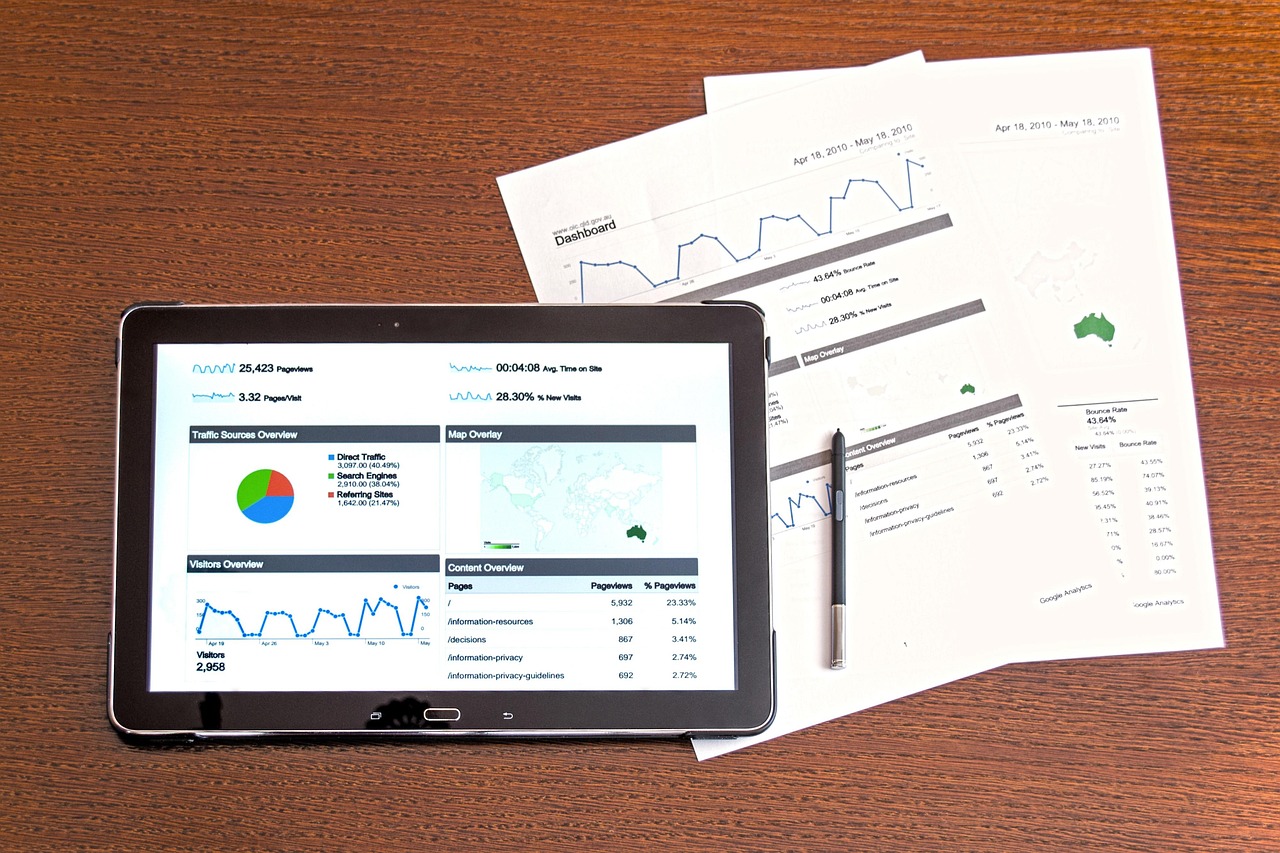
Real-time analytics empowers brands to adapt their strategies instantaneously during an influencer campaign. By leveraging these insights, marketers can identify which content resonates with audiences and react promptly. This may include altering the messaging, adjusting budgets, or even pivoting to new influencers when necessary. With the rapid evolution of social media trends, such flexibility is critical. Real-time data enhances decision-making, providing insights into audience engagement, enabling brands to remain competitive. Advanced analytics tools like Google Analytics or HubSpot can display live performance data. By monitoring things like click-through rates and comments as they happen, brands can capitalize on emerging trends effectively. Additionally, understanding audience sentiment through analytics during campaigns allows for immediate adjustments, ensuring the data-driven approach meets objectives. Failure to leverage real-time analytics may result in missed opportunities that can hinder marketing effectiveness. Brands prioritizing these insights can optimize their influencer partnerships, enhancing their overall strategy while yielding maximum results. Therefore, it’s crucial that marketers incorporate real-time analytics into their campaign strategy.
After an influencer marketing campaign concludes, analyzing outcomes is vital for measuring success against initial goals. Comprehensive post-campaign analysis highlights what strategies worked well and what aspects need improvement. Researchers can evaluate metrics like engagement rate, cost per engagement, social media reach, and changes in brand sentiment. Collaboratively, brands should gather feedback from influencers regarding the audience’s reactions. This feedback provides additional qualitative insights that are often absent from raw data. Moreover, comparing performance against industry benchmarks or previous campaigns can yield helpful insights into overall efficiency. Brands should not hesitate to explore what could have been done differently. Such retrospective analysis helps in understanding both successes and failures, allowing for more refined future strategies. Regularly compiling and analyzing data helps develop best practices for influencer marketing, which can guide future campaigns. Establishing these practices fosters long-lasting relationships between brands and influencers, enhancing trust and communication. Continually optimizing campaigns based on analytics creates a robust influencer marketing strategy that aligns with evolving market trends.
Leveraging Influencer Selection Tools
Selecting the right influencers is among the most critical decisions brands face in influencer marketing campaigns. Using influencer selection tools can streamline this process. Brands benefit from databases like AspireIQ, Traackr, and Influence.co, which allow for targeted searches based on a variety of criteria such as niche, audience dynamic, and engagement metrics. Analysis becomes more precise through understanding the influencer’s past performance, audience demographics, and overall impact on similar campaigns. Target audience relevancy is essential to ensure that the chosen influencer aligns with the brand’s values and objectives. Furthermore, transparency regarding engagement rates is vital — brands can avoid influencers who may inflate metrics. Building an influencer database allows brands to efficiently manage relationships, track ongoing performance, and refine selection processes based on analytics. Ongoing evaluations can uncover how different influencers affect performance differently, offering deep insights into the factors that maximize campaign success. Accordingly, brands can ensure they select influencers who best represent their message while maintaining authenticity and credibility.
Data privacy regulations should be at the forefront of campaign planning for brands engaging with influencers. Guidelines such as GDPR and CCPA stipulate how consumer data must be handled, ultimately affecting analytics strategies. Brands must be transparent about how metrics are derived and how data is processed throughout campaigns. This entails ensuring compliance, especially when utilizing personal data for targeted content. Failure to adhere to these regulations can result in severe penalties, loss of consumer trust, and negative press. Hence, brands should adopt best practices that emphasize responsible analytics. Creating policies for data use that prioritize consumer privacy not only protects the brand but also strengthens relationships with consumers. Constructing trust is important in influencer campaigns; consumers that feel secure in how their data is managed are more likely to engage positively. Additionally, educating influencers about these regulations supports cohesive compliance efforts. Conducting periodic checks to ensure that all data use aligns with current regulations keeps brands safe. Comprehensive knowledge of data regulations contributes to more robust campaigns.
The Role of Visual Content in Campaign Analytics
Visual content serves as a cornerstone in influencer marketing campaigns and through analytics; its impact can be splendidly measured. Data regarding videos, images, and graphics allows brands to understand consumer preferences and the effectiveness of various content types. Analytics reveal engagement metrics surrounding visuals, indicating which images or videos resonate most with the audience. Inserting call-to-actions within visual content can inform brands about effective conversion strategies. Furthermore, visuals play a role in driving emotional responses, pivotal in shaping brand perception. Understanding which types of visuals garner attention can direct future campaigns. Tools like Canva and Adobe Analytics provide insights into visual performance, enhancing creativity and content production. Continually analyzing visual content performance allows brands to refine their visual strategy aligning with audience preferences. Brands that harness visuals accurately also spark more engagement, leading to increased sharing and advocacy. Therefore, comprehensive visual content analysis empowers marketers to connect effectively with their audiences, making it an invaluable aspect of campaign analytics.
The evolving landscape of influencer marketing necessitates ongoing education on campaign analytics for brands and influencers. Digital marketing environments continuously change, ushering in new tools, metrics, and trends that require adaptation. Consumer behaviors shift rapidly, making it valuable for brands to stay attuned to evolving preferences. Workshops, webinars, and online courses can help marketers and influencers grasp the essential principles of data-driven campaigns. Furthermore, insights from industry experts can equip brands with knowledge regarding best practices and innovating strategies. Establishing a culture centered around learning ensures that brands remain relevant, ultimately driving growth. This commitment to education enables professionals to harness the trends shaping the marketing landscape. Increased understanding of campaign analytics reflects positively on future marketing efforts and relationships with influencers. Educated teams can navigate the complexities of data analytics while implementing innovative strategies for engagement. As new technologies like artificial intelligence impact influencer marketing, staying informed allows brands to leverage these advancements effectively. Ultimately, continual learning fosters a competitive edge for brands in influencer marketing campaigns and paves the way for future success.