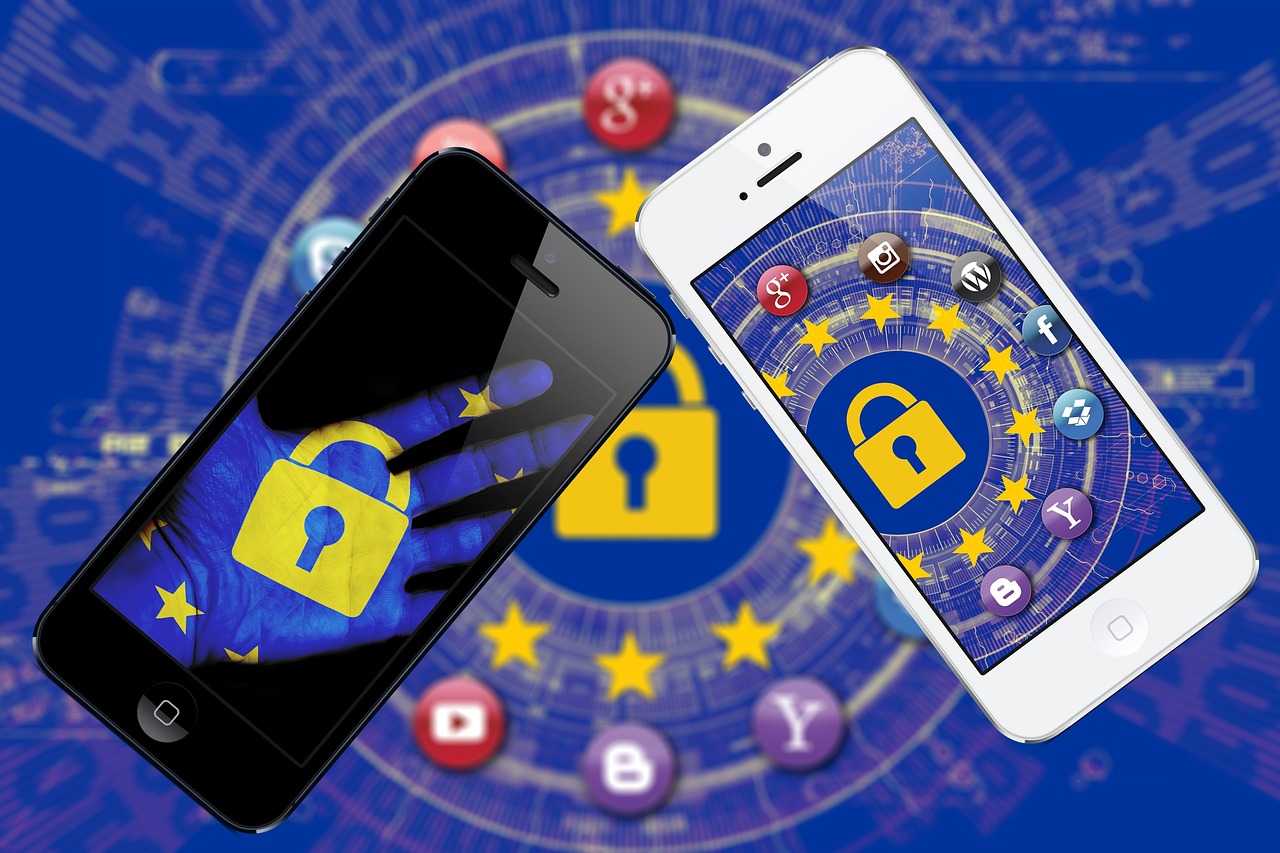

Avoiding Disclosure of Insider Information on Social Platforms
In today’s digital age, social media serves as a powerful tool for communication and brand visibility. However, employees must be vigilant about sharing sensitive information on these platforms. Disclosure of insider information can damage a company’s reputation and lead to legal ramifications. To help mitigate risks, organizations should enforce clear social media policies that outline appropriate behavior. Employees should understand what constitutes confidential information, including financial data, strategic plans, and proprietary technology. By educating employees about the potential consequences of sharing insider information, businesses can foster a culture of responsibility and vigilance. Training sessions can be beneficial, reinforcing the importance of discretion. Additionally, companies should consider implementing guidelines for employees about what can and cannot be shared online. These guidelines should include examples of appropriate and inappropriate content to provide clarity. It’s essential to establish a process for reporting any suspicious activity. Employees should feel empowered to report potential breaches without fear of repercussions. By maintaining an open dialogue about social media practices, organizations can create a safer online environment for everyone involved.
Even with guidelines in place, employees may still inadvertently disclose sensitive information. This risk emphasizes the need for continuous education on the subject. Organizations can develop engaging training materials that focus on real-life scenarios highlighting the dangers of disclosing confidential information. These materials should be updated regularly to reflect the rapidly changing social media landscape. In addition, providing resources such as checklists can further assist employees in assessing their posts before sharing. These tools can remind employees to think critically about the content they share. It is also advantageous for companies to designate social media ambassadors or representatives who can guide colleagues on best practices. These ambassadors can serve as valuable resources, demonstrating appropriate use of social media while adhering to company policies. Encouraging open communication about the challenges employees face can lead to the development of a more robust social media protocol. Moreover, organizations can utilize technology to monitor social media channels for any possible leaks of confidential information. Employing digital monitoring tools can help protect the company’s interests and reputation.
Moreover, putting strong disciplinary measures in place is crucial when insider information is shared inappropriately. When employees violate social media policies, clear consequences must follow to reinforce the seriousness of these actions. This could entail anything from formal warnings to termination, depending on the severity of the breach. It is important for employees to understand that breaches involving sensitive information may not only affect the organization, but they also jeopardize their careers. In addition to rules about sharing information, businesses should also promote the importance of safeguarding their digital accounts. Employees must be aware of the risks associated with weak passwords, unprotected devices, and unsecured networks. Strong password management practices should be implemented and endorsed. Regular audits of social media accounts can be beneficial in leveraging account security. Organizations should encourage employees to utilize multi-factor authentication wherever possible. Additionally, fostering a culture of cybersecurity awareness is crucial. By integrating security training into general employee orientation, companies can create an informed workforce that prioritizes confidentiality and security. This can help decrease the likelihood of information leaks while promoting a strong organizational image.
Social Media Engagement Policies
Developing focused social media engagement policies can significantly reduce the risk of disclosing insider information. Effective policies clarify permitted communication regarding company operations, achievements, and employee roles. Employees should recognize areas where their personal and professional identities may overlap, encouraging them to act responsibly. Incorporating examples of acceptable social media engagement promotes clarity and understanding. Regular updates to policies ensure they remain relevant as new platforms emerge and evolve. Social media platforms can change rapidly, and organizations should stay updated on these transformations. Furthermore, addressing frequently asked questions can clarify ambiguous aspects of social media policy. In addition to covering internal information, policies should address interactions with external parties, such as customers and competitors. Employees may inadvertently provide competitors with valuable insights through casual exchanges online. Emphasizing the importance of confidentiality in these communications will help reinforce protective measures. Encouraging employees to adopt a cautious perspective when engaging online is vital. Businesses could also provide practical workshops that involve role-playing scenarios for a hands-on learning experience. Such initiatives can help employees safely navigate the complexities of social media interactions.
Besides creating engagement policies, organizations must maintain a strong presence on social media. By actively managing company profiles, businesses can guide discussions and showcase their values. This proactive approach allows companies to provide accurate information, reducing misinformation circulation. Additionally, they can highlight employees’ achievements while promoting a positive image. Employees will be more likely to comply with guidelines when they see their company thriving in the digital landscape. Encouraging employees to participate responsibly further enhances the company’s online reputation. By fostering an environment that values discretion online, organizations can influence employees’ behavior positively. Encouraging employees to contribute to brand messaging while being cautious about confidentiality reinforces the message that employee voices matter. Companies should establish incentives for employees who comply and contribute to the company’s digital presence. Recognizing and rewarding responsible behavior can cultivate a supportive culture where employees feel valued. Ultimately, a harmonious balance between active engagement and preserving insider information is the goal. Building a robust social media presence requires collaboration and informed decision-making, leading to a healthier organization.
Employee feedback is essential when establishing effective social media guidelines. Organizations should involve their employees in the policy development process to ensure buy-in and adherence. Regular surveys or forums for discussing social media experiences and concerns can provide valuable insights. By engaging employees in the conversation, companies demonstrate that their voices are heard. Gathering input directly from employees fosters a sense of collective ownership of the policies and practices. It can also address specific challenges faced by employees across various departments and functions. Tailoring each department’s policies can better align with their needs, preventing potential miscommunication and misunderstandings. Open forums encouraged by management can clarify uncertainties and create an atmosphere of transparency. To further underscore the importance of social media policies, leadership should regularly communicate expectations and best practices. This visibility and emphasis help reinforce compliance and accountability. Additionally, hosting periodic training sessions can keep everyone updated on best practices and legal implications regarding confidentiality. Effective communication and collaboration can significantly amplify the company’s message while protecting its brand. This layered approach will help minimize risks associated with insider information disclosure.
Conclusion: Cultivating a Safe Digital Environment
The importance of creating a safe digital environment cannot be overstated. When employees feel informed and aware of social media policies, they can safely engage online. This sense of security both protects the organization’s interests and empowers employees to represent the brand positively. Organizations must continue to adapt their social media policies regularly, tailoring them to the ever-evolving digital landscape. Encouraging employees to express their views while safeguarding sensitive information is crucial for creating an inclusive workplace culture. Regularly reviewing and adjusting guidelines helps address new challenges as they arise, ensuring the company remains robust and resilient. Management should always foster an atmosphere where human resources do not simply enforce rules; instead, they should encourage constructive discussions around social media practices. Collaborative efforts between management and employees will cultivate an authentic and trustworthy environment online. Such initiatives will contribute to overall employee satisfaction and organizational success. Ultimately, prioritizing insider information protection while fostering responsible engagement will yield positive benefits for the organization. Building such frameworks strengthens not only the business but also promotes a collaborative workplace culture that all employees can enjoy.
In conclusion, promoting awareness about avoiding the disclosure of insider information on social media platforms is an ongoing journey. Organizations must recognize that the risk of sharing sensitive information can never be completely eliminated. However, through proper education, effective policies, and a culture of accountability, businesses can dramatically minimize these risks. By implementing engaging training programs, supportive frameworks, and continuous updates, employees will be equipped to navigate their digital interactions safely. Business success increasingly relies on a strong social media presence, meaning employees must represent their organization responsibly. Effective communication, collaboration, and transparency are vital as businesses work to establish a secure digital presence. By adhering to these principles, organizations can inspire employees to think critically and prioritize confidentiality. In fostering a culture of wisdom and responsibility, businesses will protect their interests while empowering employees to shine in their roles. Thus, a collective commitment to safeguarding insider information creates a thriving community where in-depth knowledge can manifest professionally. Ultimately, this will enhance engagement, innovation, and collaboration within the workplace, benefiting all stakeholders?