
The Importance of Curated Photo Galleries in Community Building
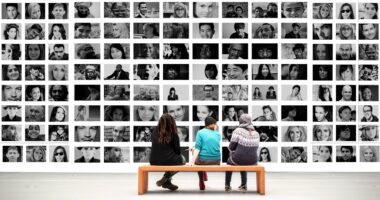
Curated photo galleries play a significant role in community building by helping to showcase a collective identity. Through images, various aspects of community life are highlighted, enabling members to express their values and share experiences. The visual representation of events, places, and people fosters engagement and drives connection among community members. This can lead to deeper relationships and understanding, as shared visuals become a common language. Furthermore, these galleries capture the essence of local culture, offering a window into traditions and practices that might otherwise be overlooked. This visibility helps to preserve the community’s history and encourages a sense of pride among its members. Moreover, the act of collecting and sharing images allows community members to take an active role in shaping their narrative. Users can contribute their own photographs, thus creating a diverse representation of their environment, backgrounds, and stories. These contributions amplify voices that might not be heard otherwise, enriching the community’s tapestry. As a result, curated galleries serve not only as a repository of memories but also as a platform for dialogue and storytelling, fostering inclusivity and participation in community affairs.
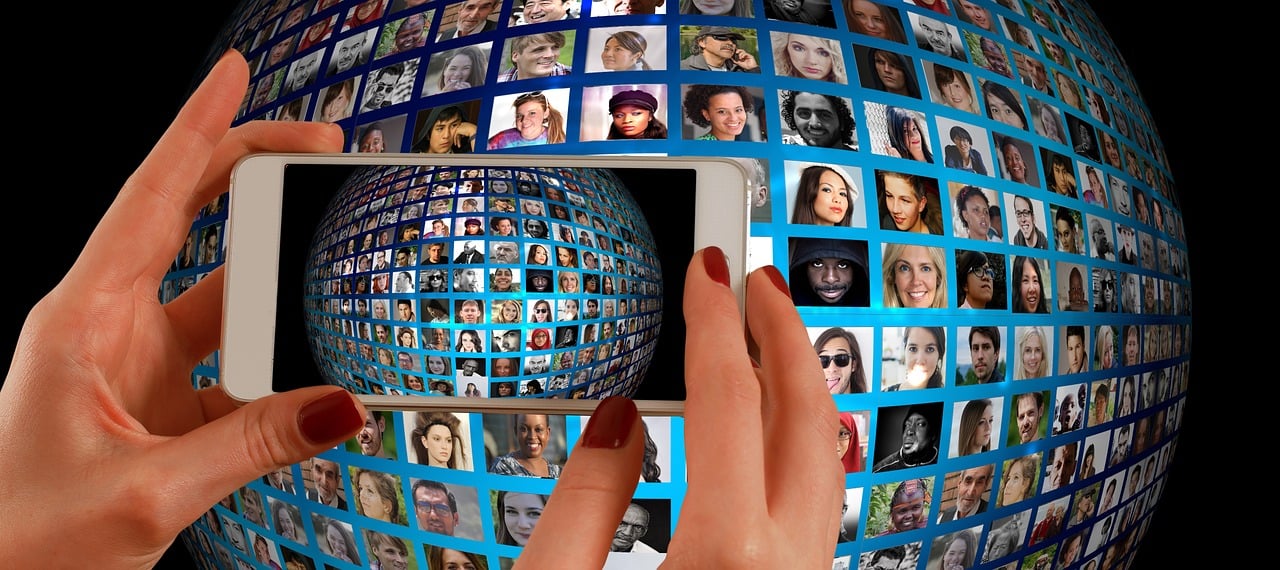
Curated photo galleries have evolved significantly with the rise of digital media and social platforms. The need for a cohesive visual story has driven many communities to adopt these galleries as a means to articulate their vision. Digital curation allows for a broader outreach, connecting with both local and global audiences. Community members can engage with the visuals online, making it easier for new visitors or potential members to explore and understand the community’s identity. These galleries often reflect critical moments, celebrations, and struggles within the community, directly influencing public perception and engagement. Additionally, curated galleries can inspire collaborations and initiatives, inviting artists and photographers to document their surroundings creatively. This collective effort fosters teamwork and collaboration among members, reinforcing communal bonds. Equally important, they are places of remembrance, cherishing milestones and remembering those who contributed significantly to the community’s development. This represents an important aspect of emotional connection, bolstering community spirit and traditions. As such, these galleries can be vital tools for advocacy, as they visually articulate the needs and aspirations of the community.
Emotional Connection through Imagery
No matter the medium, imagery serves as a powerful conduit for emotions, particularly within a community setting. Curated photo galleries provide an excellent opportunity for members to connect on an emotional level. By displaying photos that tell a story, these galleries can evoke nostalgia, pride, and a sense of belonging. This emotional resonance strengthens the ties within the community. Through shared memories captured in photographs, individuals can reminisce about significant events and places, amplifying their sense of identity. Emotional storytelling through images also creates empathy, as it allows others to see the world through varied perspectives. This emulation of experiences brings members closer, promoting respect and understanding. Furthermore, as members engage with these emotionally laden visuals, it can inspire action, motivating them to contribute positively to their community. Whether through volunteerism or attendance at events, the feelings stirred by powerful imagery can lead to profound community involvement. Overall, integrating emotional elements into curated galleries highlights the strength of human connection, thereby nurturing a robust, resilient community where individuals feel valued and understood, ultimately facilitating harmonious living.
With the rapid growth of technology, the accessibility and ease of creating curated photo galleries have become paramount for communities. Today, platforms such as social media and dedicated websites allow communities to showcase their galleries effortlessly. The incorporation of user-generated content empowers individuals to share their hard work and creativity without barriers. By providing simple tools for uploading and tagging images, these platforms enable more community members to get involved. Engaging community members through these platforms encourages collaboration and promotes creativity. Pictures may be shared faster, leading to the organic evolution of community-driven projects. Moreover, maximizing user participation ensures authentic representation, attracting both new members and visitors intrigued by the displayed creativity and cultural showcase. While the digitization of photo galleries has its perks, it is essential to emphasize the importance of curating these images thoughtfully. Ensuring quality over quantity guarantees a potent impact, transforming a simple collection into a compelling narrative. Additionally, promoting diversity in representation allows for more voices to be included, enriching the community’s identity. This thoughtful curation encourages empathy and connection, fostering belongingness within the community.
Fostering Inclusivity through Representation
Curated photo galleries also provide an essential platform for inclusivity within communities. By making a conscious effort to represent different groups and perspectives, galleries contribute to fostering a sense of belonging. Diverse communities often encompass individuals from varying backgrounds, cultures, and experiences, and their representation in galleries can elevate their voices. This fosters a sense of validation, as everyone recognizes their existence and significance within the community. Inclusive representation not only honors individual stories but also strengthens the community’s collective identity by blending unique elements into a unified visual narrative. This sense of belonging empowers members to share beyond the visual medium—leading to discussions that inspire action towards community issues. Inclusive galleries allow for constant dialogue surrounding themes of equity, providing a space for awareness and education. By actively seeking out and featuring marginalized voices, the community can address biases and dismantle stereotypes invariably. Furthermore, this inclusivity can create opportunities for collaboration between various groups, leading to increased understanding and shared goals. Ultimately, curated photo galleries can be transformative instruments for inclusion and unity within diverse communities, shaping their identity and future positively.
In addition to fostering inclusivity, curated photo galleries enhance community engagement through interactive experiences. This goes beyond passive viewing; they can promote active participation by organizing events such as photo walks, exhibitions, and competitions. By encouraging community members to contribute their work, these events create a sense of ownership over the gallery. Participation fosters connections among individuals with shared interests, generating opportunities for collaborations and community-driven projects. These experiences also facilitate networking, connecting artists, creators, and locals who may not have crossed paths. Furthermore, curated galleries can serve as a dynamic educational tool for community-led workshops and talks, where members can share skills and storytelling techniques. By melding visuals with narratives, community members deepen their appreciation for each other’s experiences. The gallery becomes a gathering place where stories and creative visions intersect, providing an environment where meaningful interactions flourish. This type of engagement ultimately enables stronger interpersonal relationships to develop, which is vital for the health of a community. Effective curation of these galleries fuels ongoing involvement, sprouting initiatives that resonate with community values.
Conclusion: Beyond A Collection of Photos
The importance of curated photo galleries extends far beyond mere collections of images. They represent powerful tools for community building, fostering connection, inclusivity, and engagement. By effectively harnessing visual storytelling, communities can articulate unique narratives and highlight essential themes, enabling deeper understandings of their members. The collaborative nature of photo galleries brings individuals together under the common goal of sharing their experiences, promoting pride and unity. These galleries allow communities to celebrate their culture, history, and values, providing a space where everyone can belong and feel acknowledged. In a world where community dynamics continue to shift, curated photo galleries can shape and redefine the connections individuals have with each other and their surroundings. As communities continue to thrive in an interconnected, diverse landscape, creating spaces for shared representation through images becomes a necessity. The role of these galleries is to go beyond documentation, acting as the heartbeat of communities. Ultimately, curated photo galleries empower individuals, serving to bridge differences and unify people within their surrounding communities as they embark on shared journeys of discovery and connection.
Curated photo galleries drive community spirit and a sense of belonging, representing a collective identity constructed through shared images. By displaying photos that reflect the community’s history, culture, and achievements, residents can find common ground and strengthen ties with one another. As the gallery grows, members can track changes and developments within the community over time, forging a sense of continuity and nostalgia. This visual documentation allows for self-reflection and the examination of collective values within the community. Recognizing their contributions and experiences through curated galleries can inspire pride among residents, motivating them to become more involved. Weaving these narratives together creates a rich tapestry of memories that serve as a foundation for future conversations and community-building efforts. Galleries not only focus on aesthetics but also embrace storytelling, bringing forth the voices and experiences of individuals. By prioritizing such authentic representation, communities can better understand their collective identity. Moreover, this shared understanding encourages respectful dialogues on challenges and aspirations, leading to cohesive plans that further support collaboration and unity. Curated photo galleries undeniably serve as valuable assets for community development, fostering connections, and inspiring meaningful actions.