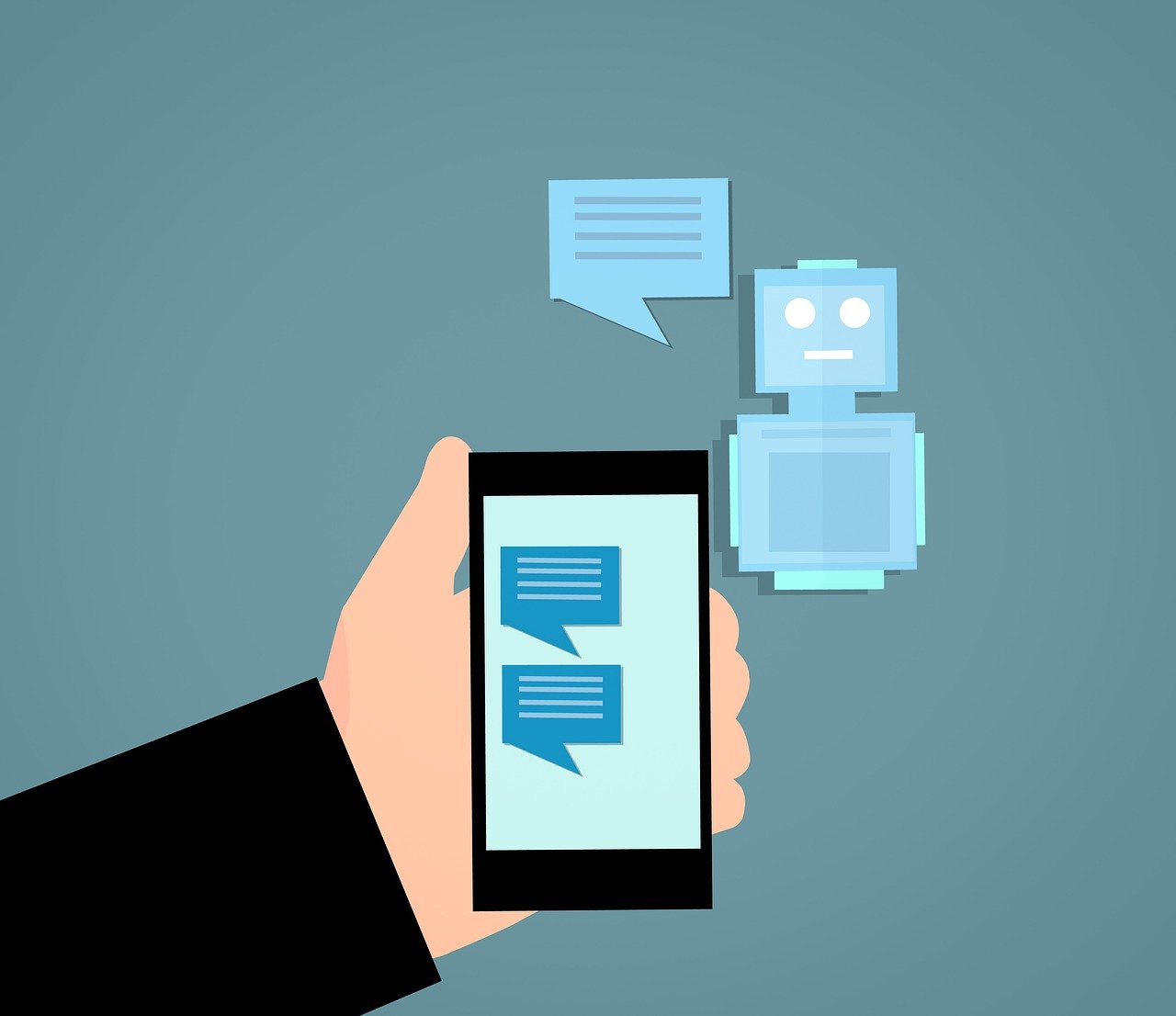

How Automation Influences Authenticity in Online Communities
In the digital landscape, automation plays a crucial role in shaping the dynamics of online communities. Many platforms utilize bots to manage user interactions, which can enhance user experiences but also challenge authenticity. The implementation of bots offers numerous benefits, including immediate responses and content curations. Bots can streamline various tasks, providing timely information and engaging with users efficiently. However, the presence of bots raises concerns about the nature of interactions in these communities. Authenticity is often questioned when users cannot distinguish between genuine human interaction and automated responses. Such uncertainty can lead to a diminished sense of trust among community members. Users may feel uneasy about engaging with a platform when they believe some interactions may not be authentic. Furthermore, the potential manipulation of information or sentiment through automated means complicates the conversation regarding ethics. Balancing automation with authenticity requires deliberate strategies to ensure user experience remains genuine while leveraging the power of automation. Addressing these issues will help uphold a community’s integrity and support healthy discussions. As we explore these themes further, it becomes apparent that a symbiotic relationship might be necessary.
Automation creates opportunities, but it also poses challenges to maintaining authenticity. When users engage with bots instead of real individuals, the fabric of community interaction alters significantly. Users might feel isolated or unvalued when they perceive their conversations as being with machines rather than fellow humans. Moreover, the rapid advancement of technology raises ethical considerations about the extent of automation acceptable in online communities. Developers must navigate their responsibilities carefully, ensuring that their bots enhance rather than detract from user experience. The line between helpful automation and overwhelming machine interaction is often thin. Misleading or non-transparent automation practices can erode trust, making it imperative to develop guidelines advocating for ethical use. Clear policies around the deployment of automation can provide necessary boundaries, encouraging platforms to remain vigilant about preserving human connections. To maintain authenticity, platforms should consider creating options for users to identify automated interactions readily. Transparency in this manner can foster trust and empower users. Additionally, educating users about the role of bots may help demystify automation and promote acceptance, leading to better community engagement.
The Ethical Considerations of Bots
When assessing the ethical use of bots, it is imperative to first define their intended purpose. Bots serve many functions, such as providing customer support, aggregating information, and automating repetitive tasks. However, unethical misuse can negatively affect community dynamics. For instance, bots that spread misinformation or manipulate opinions undermine the integrity of online discourse. Moreover, when conversations are heavily influenced by automated contributions, users may inadvertently disconnect from the emotional richness of human interactions. This disconnection further complicates individuals’ abilities to foster meaningful relationships. Ethically, developers should consider the potential consequences of their bots. An ethical framework guiding bot design and functionality could encourage responsibility among developers. This framework can include principles like transparency, accountability, and respect for user privacy. Users must feel confident that their personal information is being handled appropriately. Additionally, incorporating user feedback into bot development can sharpen the effectiveness of their functions and align them more closely with community needs.
The role of community guidelines is paramount in governing the ethical use of automation. Clear expectations surrounding automated interactions can set the tone for user engagement. Such guidelines should outline acceptable bot behavior and detail oversight mechanisms to address misuse. This transparency is beneficial for both the platform’s reputation and the user’s experience. Further, community leaders can play a vital role in advocating for ethical automation practices. Encouraging discussions around bot utilization can equip users with the knowledge necessary to identify appropriate uses within their interactions. Community members should feel empowered to question or report suspected automated interactions, creating an atmosphere of accountability. Additionally, providing educational resources focusing on the use of bots can assist users in navigating challenges surrounding authenticity. Workshops or informational posts could serve as effective tools to demystify bots and their functions within the community. Ultimately, these steps contribute to a healthier online environment ensuring that users feel heard, valued, and engaged.
Building Trust in Automated Environments
Trust is essential for maintaining a vibrant online community, especially in the presence of automation. Users should be able to rely on platforms to safeguard their experiences and interactions. As such, building trust requires transparency from developers and community leaders alike. By openly communicating the role of automation, platforms can help users understand the boundaries between human interactions and bots. Providing users with features to customize their interaction experiences also supports trust-building. For instance, options to filter or disable automated responses enhance the user experience by prioritizing human engagement. In cultivating trust, platforms should also focus on accountability mechanisms that penalize unethical bot behavior. Establishing these measures demonstrates the platform’s commitment to preserving authenticity. Furthermore, creating forums for user feedback regarding bots can foster a sense of community involvement in the regulation process. Users often value being part of formative discussions about their online environments. Incorporating this feedback into future bot developments can lead to improvements that align with community needs and expectations.
Social responsibility continues to be an expectation for digital platforms concerning the use of automation. Organizations must evaluate how effectively their automated systems serve their user base without jeopardizing authenticity. Continuous assessment of the impact of bots can highlight possible areas of tension between innovation and user satisfaction. This includes gathering analytics to understand user interactions and perceptions surrounding automated responses. Analytics serve as a valuable resource in determining whether users feel positively or negatively impacted by automation. Moreover, regular evaluations lead to informed decisions in managing bots effectively. Ensuring automation doesn’t outpace genuine interaction is crucial to preserving community health. Best practices for ethical automation can be shared between platforms, encouraging a collaborative approach to navigating these modern challenges. Knowledge-sharing initiatives would broaden perspectives and provide insights into navigating the complexities of bot use. Ultimately, fostering a culture of ethical bot utilization rests on the collective responsibility of everyone involved. Encouraging collaboration on solutions that enhance user experience without compromising authenticity allows communities to thrive in an automated age.
Conclusion and Future Considerations
In conclusion, the integration of automation in online communities presents a double-edged sword regarding authenticity. While bots can enhance user experience through efficiency, they risk creating barriers to genuine human interaction. Striking a balance relies on frameworks that prioritize ethics and transparency. Community involvement in shaping the guidelines for automated interactions will ensure authenticity remains integral to user experiences. As platforms evolve, they should strive to find innovative ways to employ automation responsibly, prioritizing user preferences and fostering a sense of trust. Future advancements may integrate artificial intelligence that adapts to user needs while respecting ethical boundaries. However, accountability must always remain at the forefront when considering the deployment of these technologies. As communities continue to react to changing online dynamics, ongoing discussions about the ethical use of bots will be vital. Collaborative efforts between developers, users, and researchers will provide critical insights into navigating these complexities. Online spaces can support both innovation and authenticity with thoughtful engagement. This commitment to ethical practices will help ensure thriving digital landscapes where genuine connections flourish.
The role of automation in online communities is constantly evolving. While bots and automated systems can streamline processes and enhance user experience, they present unique challenges to maintaining authenticity. It is essential for platforms to find innovative solutions that honor users’ need for genuine connections while benefiting from automation. The discussion around this balance reflects broader societal issues regarding trust and communication in the digital age, ultimately shaping the future of online interaction. Engaging with users in discussions around these ethics will ensure that automated solutions are acceptable and beneficial.