
Dealing with Event Promotion During Crisis Periods
Event promotion during challenging times requires an adaptable and sensitive approach. Various crises, such as pandemics or natural disasters, can drastically impact audience engagement and participation. Therefore, understanding your audience’s needs is crucial. You should research and recognize how they are affected by the crisis. Leverage robust data analysis tools like Google Analytics and social media insights to tailor your promotional strategies. Craft messages that resonate with the prevailing sentiments. Be transparent and communicate any changes to your event plans early. Consider shifting your events to virtual platforms, keeping essential engagement interactive through live sessions. Utilize creative and engaging online formats to attract your audience and avoid losing interest. Make use of social media channels, as they are highly effective during emergencies. Create content that is relevant and emotional, encouraging discussions among your audience. Engage influencers who align with your brand values to maximize your reach. Establish a sense of community, reminding participants that they are not alone in their experiences. Adapt your messaging frequently in response to ongoing developments.
Promoting events during a crisis demands stable messaging and an empathetic tone. Consistency is key in establishing trust with your audience. Utilize multiple communication channels, including email, social media, and websites to distribute your news. Be proactive in informing your audience about any changes, cancellations, or alterations to the event. While the priority is ensuring safety, do not overlook the promotional aspect. Create exciting content that highlights the positive aspects of attending your event, even if it is virtual. Use visually appealing graphics and engaging video snippets to capture attention. Explore partnerships with local charities to create CSR initiatives linked to your event. This not only enhances your brand image but also drives participation through shared values. Make it easy for attendees to share information about your event on their platforms. Encourage user-generated content by launching specific hashtags. This helps create excitement and increases visibility, especially during crises. Additionally, offer incentives like discounts or exclusive early access to sessions. Flexibility in your planning helps enhance response strategies, allowing for modifications based on feedback and engagement patterns.
Leveraging Social Media for Effective Promotion
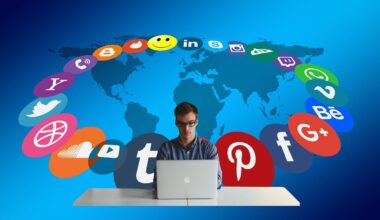
In crisis situations, social media serves as a vital tool for event promotion. The vast reach and interactive capabilities of platforms like Facebook, Instagram, and Twitter enable real-time communication with audiences. Create dedicated pages or event listings across these networks to mobilize your promotion. Utilize LinkedIn to tap into professional audiences, especially relevant for industry-specific events. Consistently share updates related to your event, including speaker announcements and session previews, to engage followers. Video content, such as behind-the-scenes footage or teaser trailers, is particularly effective at building excitement. Encourage participants to communicate their thoughts and feedback through comments and shares. This tactic not only boosts visibility but also fosters community around your event. Partner with prominent figures, industry experts, or advocates in your niche to amplify your reach. Their endorsement can enhance credibility and attract more participants. Furthermore, consider running ads targeting users most likely to engage based on demographics and interests. Set measurable goals and track performance during the event promotion phase to optimize future efforts. Stay attuned to social trends and discussions, adapting your messages accordingly.
Building a community around your event during a crisis can nurture long-term loyalty. Foster strong online engagement by encouraging discussions relevant to your event topics. Utilize community-building strategies like closed Facebook groups or dedicated hashtags to create an interactive forum for attendees. This approach allows participants to connect with one another, sharing experiences and insights. Gamify the experience by embedding challenges or competitions related to the event theme. This can include social media contests that positions your event as a centerpiece of valuable discussions. Addressing audience concerns directly by hosting live Q&A sessions can also enhance trust and transparent communication. Make attendees feel heard and involved by acknowledging their input. Your ability to respond to inquiries and feedback positively affects their perception and fosters engagement. Establishing ongoing communication, even post-event, can help retain connections formed during the promotional phase. Frequent updates about future events, relevant content, or collaborative opportunities would maintain interest. Additionally, consider post-event surveys to gather insights for improvements. Continuous engagement allows your brand to evolve and remain relevant in an ever-changing social landscape.
Utilizing Data Insights for Future Promotions
Understanding audience behaviors can be instrumental during crisis-driven event promotion. Data integrity allows for refined targeting and messaging frameworks. During your promotion phase, collect data across multiple channels to analyze trends and preferences. Utilize tools like SurveyMonkey or Google Forms to gather feedback before and after events. Analytics can reveal insights about which promotional strategies yield the best results, helping you fine-tune your approach. Observe social media metrics closely; engagement rates, shares, and comments can signify audience interest. Tracking email open and click-through rates will uncover how well your messages resonate. Adaptation based on these insights empowers your brand to shift accordingly, enhancing the overall effectiveness of your strategies. Regularly reviewing analytics helps you maintain a pulse on ongoing audience needs and expectations. Adjust marketing strategies not only during a crisis but also for future events, ensuring continued connection with your audience. Document changes and outcomes to refine your promotional planning. The data-driven approach supports more informed decision-making, contributing to successful event promotions beyond crisis periods and into stable conditions as well.
Promotional efforts during crisis periods should also prioritize mental health and well-being. Acknowledge the overwhelming feelings that crises can breed, such as anxiety or stress. When crafting promotional materials, frame the messaging to connect emotionally with potential attendees. Offer reminders that participating in your event may provide valuable insights and a sense of normalcy. Include elements of self-care throughout your promotional content, presenting your event as a supportive choice. Create collaborations with mental health professionals to facilitate workshops or discussions during the event. This aspect not only diversifies your content but also reinforces your commitment to attendee welfare. Promote the significance of creating safe spaces where individuals can share their thoughts. Furthermore, ensure promotional themes reflect unity and resilience, essential during tough times. This approach fosters a shared experience, helping participants feel supported and valued. Utilize visual elements such as encouraging quotes or uplifting infographics that resonate with the audience. Highlight benefits such as opportunities for social connection, personal growth, and professional development. Mental well-being integration within event promotion enhances the perceived value of attendance.
Conclusion: The Future of Event Promotion
In navigating event promotion during crises, flexibility, and empathy emerge as key themes. Companies need to be prepared to adapt quickly to evolving circumstances. Use past experiences as a foundation for enhancing future promotional strategies. The landscape of social media and crisis communication will likely continue evolving, meaning brands must stay informed about changes. Challenge your approaches and continually seek innovative ways to connect with audiences. Maintaining the balance between promotional activities and genuine concern for your audience is vital. Transparency in communication will always be favorable, enhancing audience loyalty in difficult times. As the world recovers from crises, individuals will appreciate brands that prioritized social engagement and community-building. Therefore, don’t view crises solely as obstacles but as opportunities for improvement and creativity. Each challenge faced may provide a platform for enhancement and showcases your resilience within the industry. Prepare for future events by implementing learnings gained from current practices. Trust and relationships with participants should remain at the forefront of your promotional efforts, ensuring ongoing community and brand prosperity. Ultimately, thoughtful event promotions will resonate deeply, ensuring greater impact and connection with audiences.
In conclusion, successfully promoting events during crisis periods necessitates a proactive, sensitive, and strategic approach. By utilizing effective communication channels and data-driven insights, you can engage your audience meaningfully. Creativity should guide promotions, ensuring they remain relevant and emotionally resonant. Understand your audience’s current state, adjust accordingly, and foster community through digital platforms. The focus on mental health during promotions showcases your commitment to attendee well-being. The lessons learned during challenging times will help you develop more effective strategies for future events. Embrace adaptability and empathy as you promote your events, positioning your brand as a reliable ally. As the world evolves, so too should your promotional efforts, ensuring lasting impact in stronger community connections. Actively seek feedback and continuously improve your strategies. This commitment to growth will build trust and loyalty, ultimately leading to increased attendance and engagement long after crises pass. Remember, successful promotions blend strategy, sensitivity, and genuine connection with audiences. This multifaceted approach not only addresses current challenges but also cultivates resilience in future endeavors. Keep evolving and listening to your audience’s needs, paving the way for more successful event promotions.