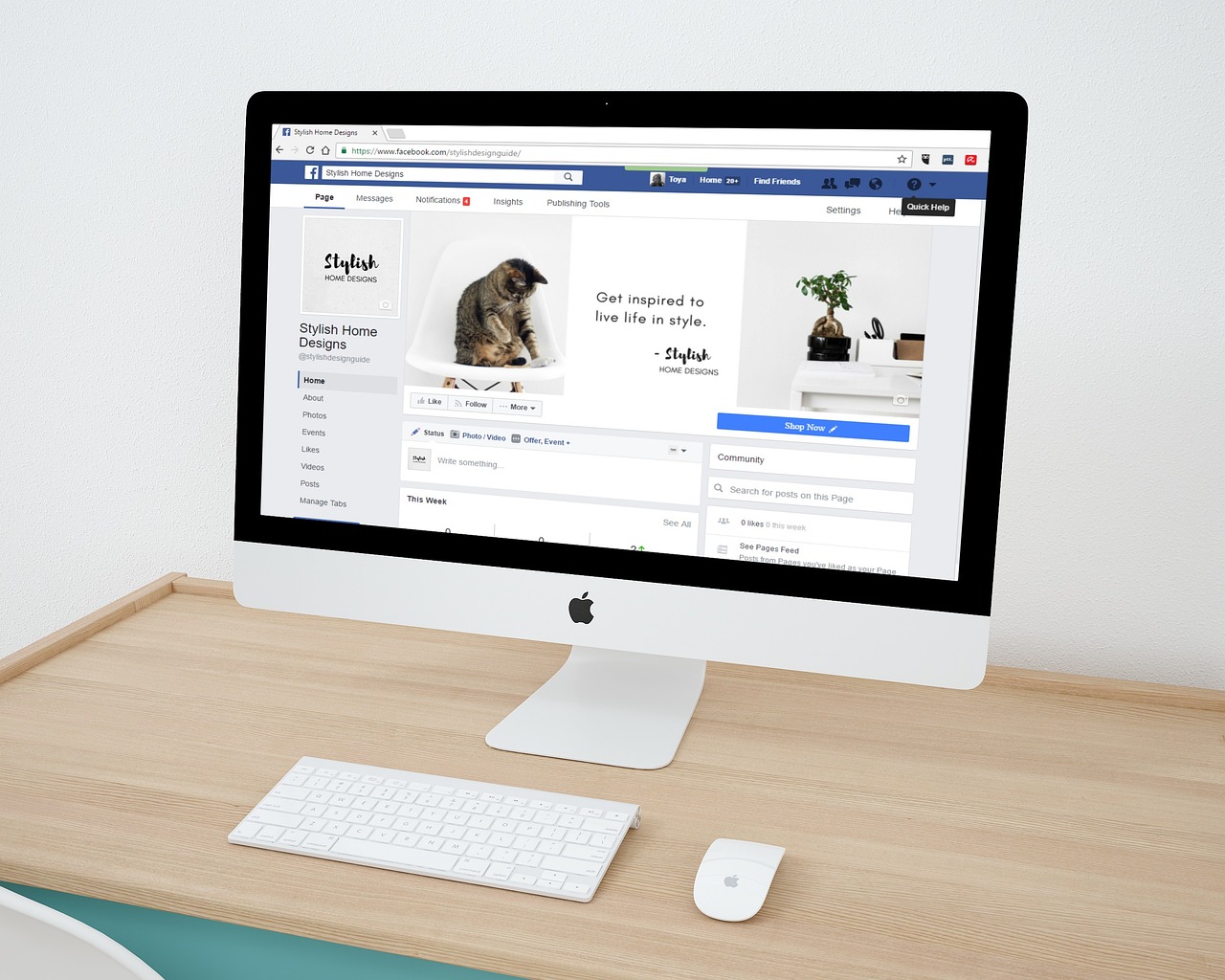

Optimizing Landing Pages for Facebook Seasonal Traffic
As businesses look to capitalize on seasonal traffic, optimizing landing pages for Facebook campaigns becomes crucial. A well-designed landing page tailored to seasonal promotions can significantly boost conversion rates. To begin with, it is imperative to align the landing page content with the Facebook ads. This ensures visitors experience continuity when they click through. Utilizing eye-catching images that resonate with the season helps capture the audience’s attention. Incorporate compelling headlines that evoke urgency, urging users to act quickly. Moreover, clear and concise calls to action (CTAs) can lead visitors to the next step seamlessly. Experimenting with different layouts and designs can also enhance user engagement. A/B testing various elements can determine which configurations yield the highest conversions. Additionally, considering the mobile experience is non-negotiable, as a significant amount of Facebook traffic comes from mobile devices. Therefore, the landing page should be responsive and optimized for mobile viewing. Lastly, integrating social proof, like testimonials or customer reviews, can build trust and persuade visitors to convert. Optimize landing pages consistently through updates based on performance metrics to ensure sustained effectiveness.
Understanding Your Target Audience
To truly optimize Facebook seasonal campaigns, understanding your target audience is essential. Knowing who your audience is will help tailor content that resonates with them during seasonal peaks. Utilize Facebook Insights to glean valuable information about demographics and user behavior. Once you gather this data, segment your audience into groups based on preferences and interactions. This understanding facilitates the creation of personalized landing pages that address specific needs or interests. For example, if your audience is predominantly young families, your seasonal content should reflect products or services that appeal to them. Use language that aligns with their values and seasonally relevant themes to engage them better. Engaging visuals are also key; ensure to use graphics that reflect their lifestyle. Furthermore, integrating surveys or polls on your landing page can provide additional insights into audience preferences, making it easier to adjust your approach. Crafting your messaging to reflect the aspirations of your seasonal audience can lead to increased engagement and conversions. Building relationship-focused content fosters loyalty, encouraging repeat visits. As seasons change, continuously evolving your strategy based on your audience’s changing dynamics will keep your campaigns fresh and effective.
Another crucial aspect of optimizing landing pages for seasonal Facebook traffic is the effective use of SEO techniques. While creating timely content, incorporating relevant keywords naturally throughout the landing page text is important. These keywords should reflect seasonal trends and the conversational phrases your audience may use when searching. Start by conducting keyword research tailored to seasonal campaigns, identifying high-traffic search terms that align with your offerings. Integrating these keywords into headings and content ensures that your landing page ranks well in search engine results. However, avoid keyword stuffing, as quality content should still remain a priority. Including alt text for images can help improve SEO and accessibility, effectively reaching a broader audience. Ensure the landing page loads quickly—slow page speeds can lead to high bounce rates, especially on mobile devices. Continually maintaining your SEO strategy ensures your content remains visible and relevant. Utilizing meta descriptions that are enticing yet informative can significantly impact click-through rates from search engine results. Overall, fostering an effective SEO presence enhances organic reach, driving sustained seasonal traffic to your landing pages. Maintain a balance between SEO tactics and engaging content to attract and convert effectively.
Integrating Facebook Pixel into your landing page is another invaluable strategy for optimizing seasonal traffic. The Facebook Pixel is a powerful analytics tool that tracks visitors’ actions on your landing page. By implementing this tool, you’ll gain insights into user behaviors, allowing data-driven decisions to further refine your campaigns. The pixel enables retargeting, allowing you to re-engage users who have previously interacted with your content. By showing tailored ads to these visitors, you can enhance the chances of conversion during peak seasonal periods. Moreover, tracking events like page views, add-to-cart actions, and purchases can help you optimize user journeys, resulting in higher conversions. Tailoring your ads based on the insights gained from the pixel makes your seasonal promotions even more effective. Additionally, it helps in understanding which landing page elements are performing well and which need adjustments. You may discover popular products or content types to feature during future campaigns. Consistently analyzing this data allows for timely modifications that align with audience behavior trends. Over time, data trends will inform you about user preferences, ultimately improving your return on investment during seasonal pushes.
A/B Testing Landing Page Elements
A/B testing is a critical process to optimize landing pages effectively for seasonal traffic. This method involves creating two versions of the landing page, each with a slight variation to measure performance differences. Start by selecting key elements for testing, such as headlines, CTA buttons, or image choices. Test one element at a time to accurately determine which modification drives better results. The results from these tests can reveal invaluable insights about your audience’s preferences and behaviors during specific seasons. Use analytics tools to monitor visitor interactions, analyzing metrics such as click-through rates and conversion rates. A/B testing can also shed light on the effectiveness of seasonal promotions, providing a basis for strategy refinement. It’s crucial to establish a sufficiently large sample size for your tests to ensure statistically significant results. Depending on the traffic to your landing pages, you may need to run tests for several days or even weeks. Once you identify the winning version, implement the changes to optimize the user experience, ultimately leading to improved conversion rates. This iterative process allows continuous learning and fine-tuning of your landing page strategies over time.
Incorporating seasonal special offers on landing pages can also effectively enhance conversions. Limited-time promotions, discounts, or exclusive seasonal products encourage urgency among website visitors. Highlighting these offers prominently on your landing page makes them impossible to miss. Use bold fonts or contrasting colors to draw attention to these offers, complemented by persuasive copy that emphasizes scarcity. Phrases like “only available this season” or “while supplies last” can evoke a sense of urgency, prompting visitors to act quickly. Additionally, bundling products or suggesting seasonal items based on user preferences can create increased perceived value. To further enhance engagement, incorporating countdown timers can remind users of the fleeting nature of the offer. Providing potential customers with incentives, such as free shipping or bonus gifts for purchases during a seasonal promotion, can also propel conversions. Furthermore, ensuring seamless navigation toward these offers on your landing page helps reduce friction. Ensuring that the entire experience feels special encourages visitors to explore more and increases their likelihood of completing a purchase. Each seasonal campaign should utilize these tactics, creating a memorable and valuable experience for users, which can lead to brand loyalty.
Lastly, it’s essential to encapsulate the results and continuously optimize your strategies post-campaign. Once your seasonal campaign concludes, analyzing performance is key to understanding what worked and what didn’t. Review metrics such as conversion rates, traffic sources, and overall engagement levels. Collect feedback from users through surveys to gauge their experiences and gather insights for future improvements. Evaluating competitor strategies can also provide valuable lessons, identifying potential pitfalls or areas where you can outshine rivals. Documenting findings creates a reference point for future campaigns, ensuring you become well-prepared for the next seasonal rush. It’s advisable to prepare a report outlining the successes and challenges faced during the campaign, allowing your team to refine processes continuously. Based on submitted metrics, develop an optimization plan proposed for the next season, incorporating insights gleaned from the detailed analysis. By adopting a strategic, data-driven approach to seasonal Facebook marketing, businesses cultivate an empowering cycle of growth and continuous improvement, ultimately increasing their market presence. This ongoing optimization ensures landing pages remain effective during upcoming seasonal campaigns.