
Creating Boundaries: Mobile Social Media Use and Mental Health Balance
In our increasingly digital world, mobile social media serves as a critical tool for connecting people. However, excessive use of social media can adversely affect mental health. Research indicates that constant connectivity often leads to anxiety, depression, and feelings of inadequacy. Setting healthy boundaries around mobile social media usage becomes essential to mitigate these risks. One way to do this is by designating specific hours for engagement. This can help individuals create a structured approach, allowing them to enjoy social media while protecting their mental well-being. Furthermore, consider limiting notifications to reduce distractions and interruptions throughout the day.
Moreover, self-reflection plays a vital role in managing social media consumption. Individuals should regularly assess their emotional state when engaging with these platforms. Taking a step back to notice how social media affects mood allows for informed adjustments. If scrolling through feeds leads to feelings of jealousy or loneliness, it may be time to rethink usage habits. By paying attention to emotional responses, users can make better choices for their mental health. Another effective strategy is curating content. Unfollowing accounts that promote negative vibes can enhance the overall experience. Seek out positive, uplifting content instead.
The Impact of Comparison Culture
Comparison culture, prevalent on social media, can severely impact mental health. Constantly viewing idealized lives and bodies can lead to detrimental effects on self-esteem and body image. It’s essential to recognize that these portrayals are often curated and do not represent everyday reality. Implementing boundaries in consuming such content can reduce negative feelings. Consider the insight that not all posts reflect true experiences, and remember that behind the glossy images, people have struggles too. Emphasizing self-worth based on personal achievements will foster a healthier mindset.
Engaging with mobile social media should not replace real-life connections. Maintaining relationships offline is vital for holistic well-being. A balanced approach, where social media complements rather than replaces face-to-face interactions, can lead to healthier mental states. Scheduling regular social outings can bolster emotional resilience and provide genuine support. Furthermore, setting specific time limits on social media applications can help curb overuse. Determining daily time allowances will encourage focusing on productive activities without generous time spent scrolling. Productivity tools can assist in monitoring usage and enforcing healthy limits.
Technology Management Tools
Many apps and tools exist to help manage mobile social media usage. These can track time spent on various platforms, encouraging reflection and adjustment. Building awareness around how much time is spent online can lead to necessary lifestyle changes. Learning to recognize triggers for excessive use is an important step towards healthier practices. Technology should be an empowering force rather than a source of stress. Consider blocking applications during work hours or activating focus settings to minimize distractions when striving for tasks. Such measures help maintain productivity throughout daily routines.
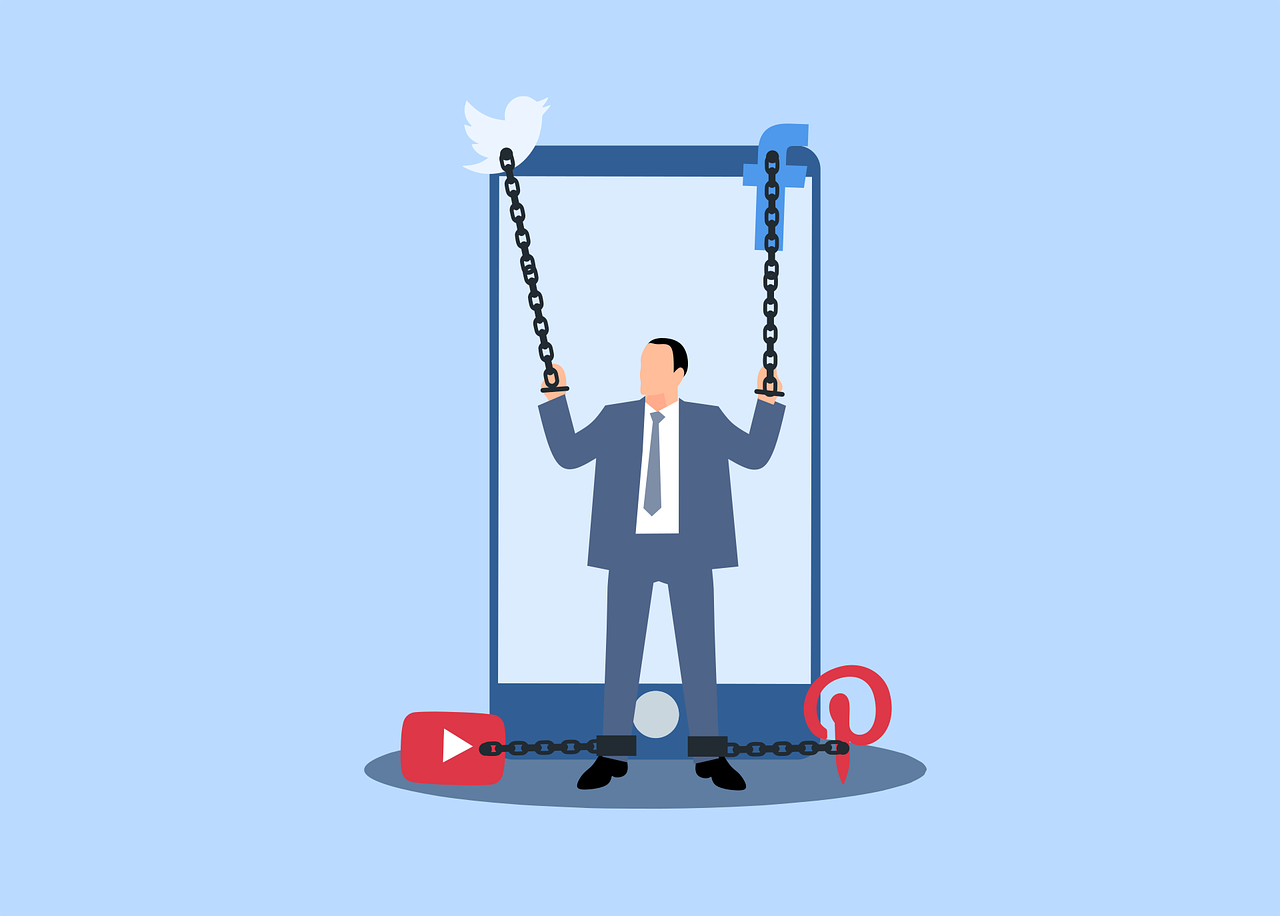
Understanding the implications of addiction to mobile social media is crucial. Compulsive checking and scrolling may indicate dependency on these platforms for emotional support. Establishing a healthier relation with technology involves seeking alternatives for emotional fulfillment. Activities like exercise, journaling, or spending time in nature can help break the cycle. Exploring creative outlets such as art or music also provides rewarding distractions. Finding joy outside of social media influences will cultivate a more balanced lifestyle. Surrounding oneself with supportive individuals can reinforce positive habits, making it an enjoyable journey.
Professional Help and Resources
If struggles with mental health symptoms linked to mobile social media persist, seeking professional support is advisable. Mental health professionals can provide guidance and coping strategies tailored to individual needs. Participating in group therapy or support groups allows for shared experiences and learning from others navigating similar challenges. Resources and workshops focusing specifically on social media mindfulness can also prove beneficial. Taking a proactive approach to mental health fosters resilience and overall emotional wellness, enhancing the quality of life significantly. Lifelong balance is achievable with consistent effort and awareness.
Ultimately, fostering a healthy relationship with mobile social media requires intentional strategies and a commitment to personal limits. By prioritizing mental well-being, individuals can continue to enjoy the benefits of social media. Understanding the damage of comparison culture, recognizing usage triggers, and embracing offline connections are key. Additionally, utilizing technology management tools and seeking help when necessary amplifies the journey towards a healthier lifestyle. Striking a balance will not only benefit mental health but also enrich real-world relationships. By establishing boundaries, users can navigate the digital landscape confidently and positively.