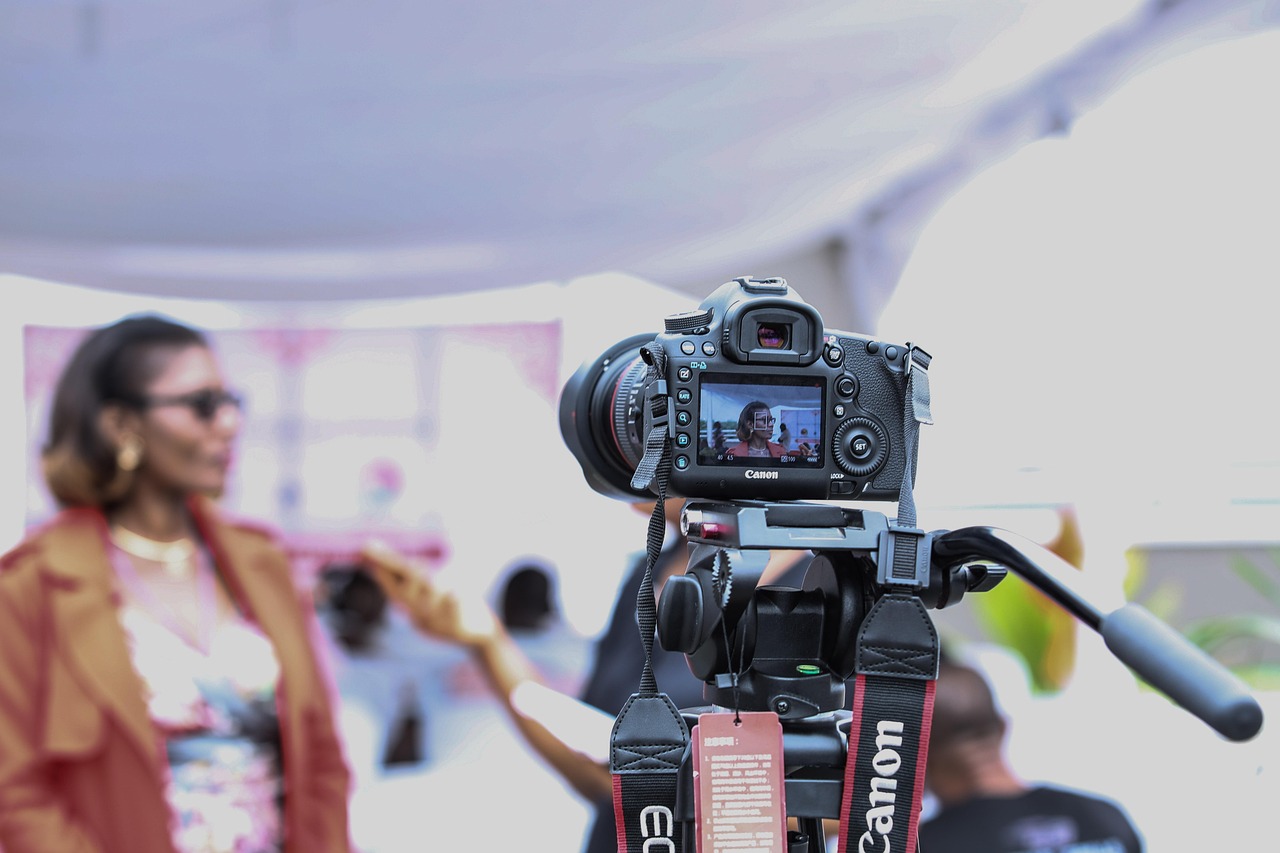

Podcasting Cameras and Visual Equipment for Video Podcasts
When it comes to video podcasts, choosing the right camera is paramount for capturing high-quality visuals that engage your audience. There are various options to consider, including DSLRs, mirrorless cameras, and dedicated video cameras. Each option has its benefits and optimal use cases. For example, DSLRs and mirrorless perform exceptionally well in low light but may require multiple lenses for different shooting perspectives. Additionally, you should consider the camera’s recording capabilities—many models offer full HD and even 4K recording, which greatly enhances the quality of your content. Furthermore, bear in mind that ease of use is essential, especially if you are just starting out. Some cameras may have complex interfaces that can be daunting. Investing in a camera with a user-friendly design will allow you to focus on content creation rather than technical settings. Finally, don’t forget about accessories like microphones and tripods, which are just as crucial in creating standout video podcasts, as they significantly impact the overall production value and presentation of your podcast.
Aside from cameras, lighting is another fundamental aspect that can significantly elevate your podcast’s quality. Proper lighting ensures your video is bright, clear, and professional-looking. There are various lighting options available, including ring lights and softboxes, which provide an even distribution of light. One popular choice among podcasters is the LED panel, which can be adjusted for brightness and color temperature, allowing better control over the mood of your video. When setting up lighting, always keep a three-point lighting setup in mind: key light, fill light, and back light. Key light illuminates your face, fill light softens shadows, and back light adds depth to your scene. This technique creates a well-rounded appearance, enhancing the overall aesthetics of your video podcast. Moreover, positioning the lights strategically enhances the visual engagement of your content. Consider your background as well; a well-lit backdrop helps focus attention on you and your message. It can highlight props, graphics, or branding elements that complement your podcast theme. Therefore, investing in good lighting should be a priority.
Microphones for Audio Quality
While visual quality is essential, audio should not be neglected either. For video podcasts, a good microphone can improve audio clarity significantly, minimizing background noise. Lavalier mics are a popular choice for their discreet design, allowing for mobility while recording. However, its performance can depend greatly on the distance from the source, which could impact sound quality. For those who prefer a more static setup, dynamic and condenser microphones are excellent alternatives, providing high-quality sound without much processing. Audio interfaces or mixers could be beneficial if you plan to use multiple microphones or use advanced audio effects and adjustments during recording. When selecting a microphone, always consider the pattern—cardioid mics are great for capturing voices in front of the microphone while excluding sound from the sides. Additionally, consider investing in a pop filter, which helps eliminate unwanted sounds from plosives. An external recorder can also add versatility, allowing you to record audio separately for higher quality control during editing. All these elements contribute to an enhanced listening experience.
Next, let’s discuss the importance of a reliable backdrop for your video podcast. A well-thought-out backdrop not only minimizes distractions but also serves as a visual extension of your podcast brand. Consider the aesthetics that reflect your content theme. It’s important to opt for a clean, uncluttered look that allows viewers to focus on the speaker. There are various styles you could employ, such as a simple solid color or a dynamic branded background. Customized backdrops can include logos or thematic elements that represent your podcast’s niche. Additionally, adding depth to your backdrop can significantly elevate the visual presentation, achieved through layering different elements that add interest without overwhelming the viewer. Natural backgrounds can also serve your purpose, adding a personal touch and contextual ambiance. Be mindful of lighting on your backdrop; shadows can detract from its impact. Experiment with multiple setups to discover which backdrop aligns with your podcast identity best. Remember, this subtle detail will contribute to the overall professionalism and appeal of your video podcast.
Editing Software for Video Enhancement
Utilizing quality editing software is vital, enabling you to create polished video podcasts that resonate with your audience. Numerous platforms offer a range of features, which enhance video clarity, add effects, and improve overall production quality. While some editors are simple and user-friendly, others provide advanced features suitable for professional settings. Consider software that offers color correction, audio enhancement, and multi-track editing capabilities. The right software can significantly elevate your podcast by adding graphics, transitions, and music that align with your podcast’s tone. Moreover, learning to use editing software effectively can be just as important as mastering the equipment you use. Online resources abound that provide tutorials for different editing software, allowing you to learn at your own pace. Additionally, not all video podcasts require extensive editing; sometimes, a clean edit with minimal cuts is visually appealing. Time invested in editing software can amplify viewer engagement, making the content more memorable. It’s advisable to choose software that you’re comfortable with and gradually incorporate new techniques as your skills develop.
Engaging with your audience visually is just as important as providing quality audio content. This means incorporating relevant props or visual aids that add another dimension to your video podcasts. For instance, charts, infographics, or on-screen text can emphasize key points, making the content more digestible. Using visuals helps to illustrate complex concepts and fosters an inclusive experience for your audience. Additionally, animations or slideshow presentations during segments can also create dynamic interaction, keeping viewers interested throughout the episode. It is crucial, however, to ensure that any visuals utilized are of high quality, as low-quality images can detract from your overall presentation. Maintaining a consistent branding theme through colors, fonts, and graphic styles across your visuals is paramount; it provides familiarity and professionalism to your series. Also, consider the pacing; too many visuals too quickly can overwhelm the audience. By effectively planning and integrating these elements within your video podcasts, you can create an immersive experience that engages viewers while delivering valuable content.
Conclusion: Building Your Video Podcast Studio
Creating a compelling video podcast involves more than just a camera and a microphone; it’s about building an environment where quality content can shine. Investing in the right equipment is crucial, but so is understanding how each component integrates into your setup. Your studio should reflect your podcast’s identity while maximizing comfort and productivity. Whether you choose to create a casual setting or a more professional studio, ensure that all elements work together seamlessly. Be open to experimentation; trying different setups can reveal the ideal configuration for your style and comfort. Also, as technology continues to progress, always keep an eye on emerging tools and trends in podcasting. By continually refining your approach and keeping your audience’s needs in mind, you can substantially enhance the quality of your video podcasts. Remember, it is the synergy between all aspects—from audio to visuals—that resonates with audiences and grows your brand. Ultimately, your dedication and attention to detail will set the stage for a successful video podcasting journey.
As your podcast evolves, it’s important to stay updated with the latest trends and technologies in equipment. Regularly assessing your gear will allow you to identify when upgrades are necessary for maintaining production quality. Regularly participating in podcasting communities can provide insights and suggestions on innovative equipment that could enhance your setup. Whether it’s a new camera, improved lighting, or advanced recording gear, staying ahead of the curve can greatly impact your production. In addition to hardware, be attentive to new software features and tools that may improve your editing and content creation. Countless options in terms of virtual studio effects or graphic overlays emerge, which can increase your podcast’s visual appeal. Attending conferences or webinars can also be a valuable experience, offering you a chance to connect with other professionals and learn from their journeys. Your commitment to staying informed and continuously learning will help you make informed decisions regarding your equipment, ensuring that your video podcast remains relevant and engaging. In this dynamic field, remaining flexible and adaptive is key to achieving long-term success.