
How to Maintain Consistency in Event-Driven Content Across Channels
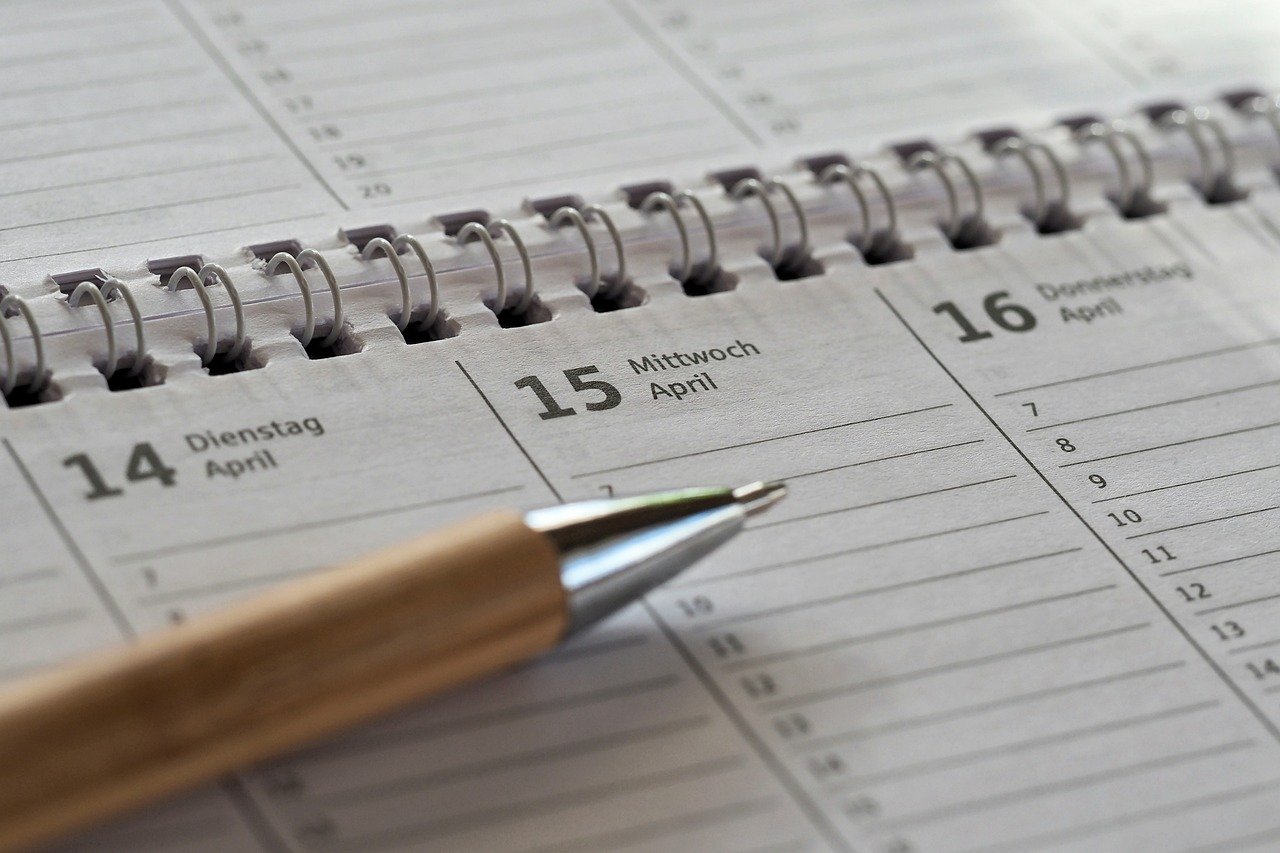
In the ever-evolving landscape of digital marketing, consistency remains paramount, especially when it comes to event-driven content scheduling. To build an engaged audience, businesses must provide cohesive messaging across all channels, including social media, email, and websites. Establishing a clear content calendar allows brands to plan ahead and prevents last-minute scrambles. Utilize platforms like Trello or Asana to visualize and track your scheduling efforts. This helps ensure that every asset is aligned with your event goals. A unified theme across all platforms encourages brand recognition and trust. Consistency encompasses not just design but also tone, language, and timing. Audiences should expect similar messages and visuals regardless of where they encounter the content. Tools that allow automated scheduling can streamline this process, ensuring timely posts without manual effort. Furthermore, regular analysis of engagement metrics is crucial. By reviewing what works and what doesn’t, brands can adjust their strategies for future events. Engaging visual content will attract more eyes, so invest in quality images and videos that resonate with your audience. Ultimately, maintaining consistency is about creating a reliable experience for your audience.
Another essential aspect of event-driven content scheduling is the alignment of your messaging with the target audience. Begin by developing audience personas to understand their preferences, interests, and pain points. Tailoring content to meet these insights increases the likelihood of engagement. For instance, marketing teams can create content that specifically addresses challenges faced by their audience during events. Incorporate various formats, such as blog posts, infographics, and videos, to diversify your messaging. Each format can be tailored to fit different channels while maintaining a consistent core message. Utilizing social media platforms effectively is another significant factor; different platforms may require unique approaches, but the essence of the message should remain the same. By sharing behind-the-scenes content or interactive polls on Instagram while posting detailed upcoming event information on LinkedIn, brands can create a dynamic content ecosystem. Don’t forget to maintain an engaging call-to-action (CTA) that guides the audience toward your goals. Engage users by prompting interactions, whether it’s attending the event or subscribing to updates. Consistent messaging helps reinforce familiarity and increases the likelihood of audience participation.
Utilizing Cross-Channel Strategies
Using cross-channel strategies effectively is vital in event-driven content scheduling. By integrating your messaging across platforms, brands can increase visibility and maximize reach. Consider repurposing content to cater to various platforms; content designed for a blog can be summarized for social media or expanded into an email series. This strategy ensures that users engaging with your content on different platforms receive coherent messaging. Strategic use of hashtags and keywords can also unify your content across channels, making it easier for audiences to find your materials. Each social platform has its unique user base, which means customization is essential. Crafting content that fits the tone and style of each platform while keeping brand identity intact not only attracts followers but also fosters interaction. Always keep your audience informed about events, share countdowns, teasers, and reminders on all channels leading up to significant dates. This builds anticipation and keeps your event top of mind. Users appreciate transparency; therefore, providing updates improves community engagement and trust. Lastly, always encourage user-generated content; this provides an authentic experience that resonates across channels, increasing visibility.
Another core component of maintaining consistency in event-driven content across channels is the importance of a strong visual identity. Consistent branding elements—including color schemes, logos, and typography—are essential for creating a recognized presence. For example, using the same logo and colors across promotional flyers, social media posts, and email newsletters creates a cohesive look that audiences can easily identify. Ensure that any promotional images or graphics reflect the event’s theme and tone, harmonizing with your brand identity. Utilizing a template can save time and create consistency across different pieces of content. Photos, videos, and graphics are more engaging when they adhere to the visual guidelines established by the brand. Choose a style that resonates with your target audience and communicates your brand story effectively. Additionally, high-quality visuals can capture attention and drive engagement in a crowded digital market. Always ensure that your visuals are optimized for each platform to enhance performance. Consider using tools like Canva or Adobe Creative Cloud to create visually appealing designs. Over time, consistency in visuals builds brand loyalty and trust, emphasizing the value of a unified visual strategy.
Adaptive Strategies for Changes
The ability to adapt is crucial in the realm of event-driven content scheduling, particularly when faced with changes that may arise unexpectedly. Situations such as last-minute venue changes, new sponsors, or even sudden shifts in audience sentiment can impact messaging. Here, having a flexible content strategy is essential for maintaining consistency. Build a buffer in your content calendar to allow for swift revisions should any unexpected situation arise. Waiting too long to respond can lead to confusion or negative perceptions of your brand. Monitor industry trends and audience feedback to identify when change may be necessary. For instance, tweaking messaging to align with current events or user interests shows your brand is attentive and relevant. If executing a sudden event rescheduling, communicate promptly through tailored messages across all channels. This demonstrates proactive customer service and cares for audience members’ experiences. Consistency in addressing those changes strengthens audience trust. Developing contingency plans in advance can help your team respond smoothly to any unexpected shifts while keeping the content engaging and relevant in the process.
Moreover, leveraging analytics is a powerful tool for maintaining consistency in event-driven content across channels. Understanding audience demographics and preferences allows businesses to hone their approaches effectively. Utilizing tools like Google Analytics and social media insights provides clarity on what content resonates most, where audiences engage, and when they are most active online. With this data-driven approach, brands can tailor their content to suit user interests while retaining the same core messaging. Regularly reviewing performance metrics can help identify successful strategies and areas needing improvement. By evaluating audience engagement in real-time, businesses can pivot their strategies on the fly, maximizing outreach and performance. A/B testing different content formats and messaging styles can reveal which resonates best across various platform audiences. This insight is invaluable in creating future event-driven content. When planning for upcoming events, factor in the lessons learned from past analytics. Over time, this iterative process ensures more sophisticated approaches, enhancing the effectiveness of your campaigns, leading to higher return on investment and more robust audience interaction.
Conclusion
In conclusion, maintaining consistency in event-driven content scheduling requires strategic planning, audience understanding, visual cohesion, and adaptability. By establishing a clear content calendar, brands can ensure their messages remain aligned across different channels. Embracing audience personas plays a vital role in crafting targeted and engaging content. Utilizing effective cross-channel strategies maximizes reach and drives participation in events. Visual consistency reinforces brand identity, while flexible strategies help brands adapt when unexpected situations arise. Moreover, leveraging analytics allows businesses to continually refine their approach and optimize performance. The focus should be on creating a seamless experience for the audience, cultivating trust through consistent messaging. Ultimately, when brands commit to delivering cohesive event-driven content, they build stronger connections with their audiences, leading to greater success in their marketing efforts. Whether it’s for launching a new product, hosting a webinar, or promoting a charity event, every element should work together towards a common goal. The more harmonized your messaging and visuals are, the more likely you are to achieve impactful results. Always remember that success lies in consistency, dedication, and adaptability.