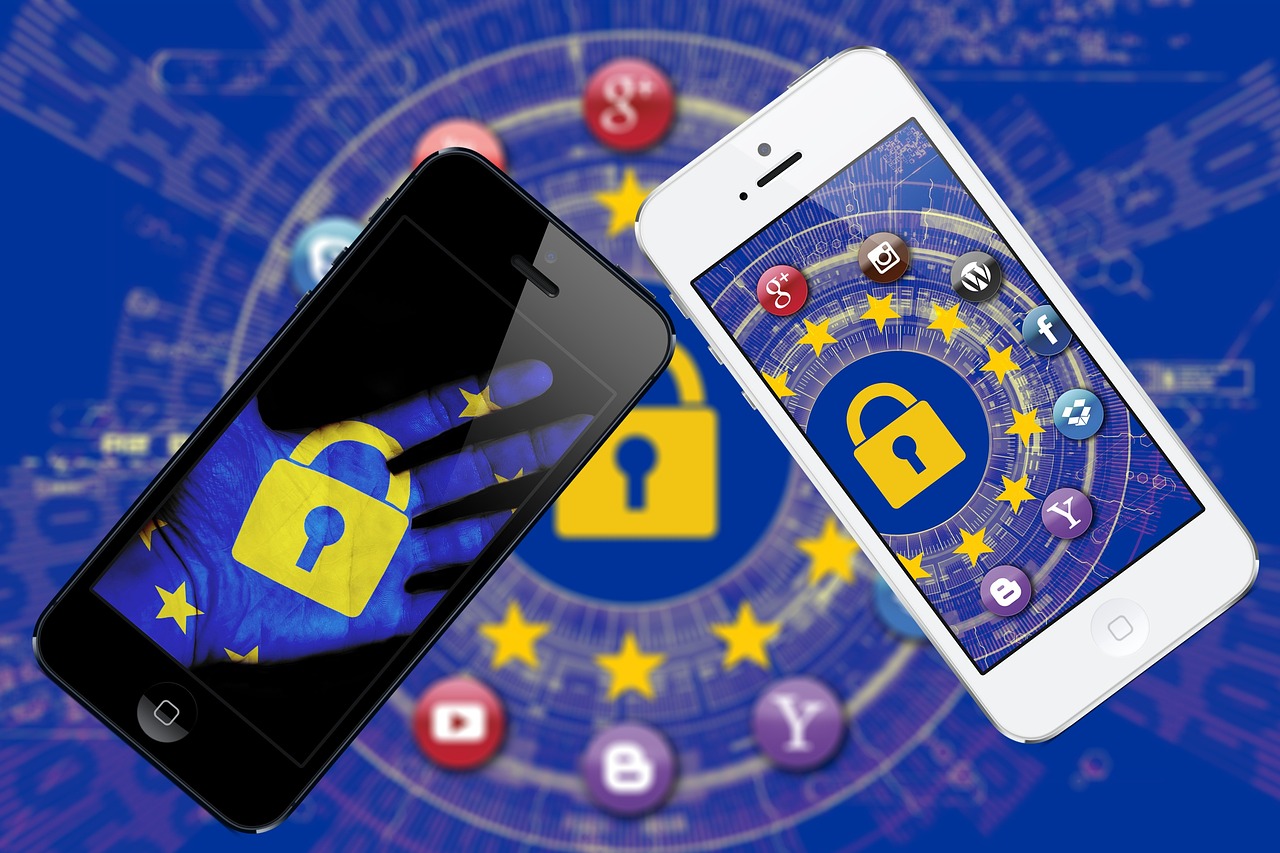

Personal Data Management in Mobile Social CRM Environments
Mobile Social CRM focuses on leveraging social media dynamics while maintaining customer relationships. Essential to this process is personal data management, which demands utmost care. Gathering vast amounts of data from mobile platforms can seem beneficial. However, handling this information requires a strategy that prioritizes user privacy and data security. An effective personal data management strategy not only fosters trust but also enhances user engagement. Users need assurance that their information is safe and will not be misused. The primary goal is to create a seamless experience that encourages customers to share information, which in return helps in personalizing services. Moreover, integrating data from various channels creates a unified customer view. This allows businesses to tailor their marketing efforts based on individual preferences. Engaging with customers in meaningful ways strengthens brand loyalty. Companies need to develop clear guidelines around data handling practices to build consumer confidence. Implementing robust security measures and being transparent about data use can make a significant difference. Thus, mobile social CRM environments thrive on effective personal data management strategies that cater to customer engagements while safeguarding individuals’ information.
In the era of ever-evolving technology, consumers seek control over their data. Consequently, personal data management in mobile social CRM has gained importance. Users expect to interact with brands that recognize and respect their data preferences and choices. Addressing these expectations opens doors for improved customer satisfaction. To achieve this, organizations must establish user-driven data policies. Involving customers in the data collection process fosters trust and illustrates commitment to their privacy. Additionally, providing users with clear choices about the data they wish to share strengthens the relationship between customers and businesses. Consequently, enhanced personalization becomes more effective. Brands can use collected data to craft individual interactions that are relevant and contextually appropriate. This represents a significant shift from generic marketing to tailored experiences. Moreover, effective personal data management ensures compliance with privacy regulations. Understanding and implementing GDPR guidelines, for example, builds credibility. Companies that thrive in Mobile Social CRM create transparent disclosures regarding data practices. By nurturing such an environment, they foster meaningful connections and drive loyalty, establishing themselves as leaders in their respective industries. Ultimately, mobilizing social strategies must include seamless data management to holistically engage consumers.
With increasing awareness surrounding data privacy, it is crucial for businesses engaging in mobile social CRM to prioritize best practices in personal data management. Consumers today actively seek companies that adopt ethical approaches to data handling. This includes ensuring transparency about how data is collected, used, and shared. Businesses that openly communicate their policies tend to build stronger relationships with their customers. They must regularly review and update their data management practices in accordance with regional and international privacy laws. Furthermore, companies should invest in robust data protection technologies that safeguard customer information. This can reduce the risk of data breaches and unauthorized access. Utilizing encryption and secure servers exemplifies a business’s commitment to data security. Similarly, organizations should conduct regular audits to identify any vulnerabilities in their data collection processes. Educating employees on effective personal data management is equally vital. Employees must understand the importance of protecting personal information and adhering to legal compliance requirements. Implementing a culture that prioritizes data integrity can help in fostering a trustworthy brand image. Ultimately, investing time and resources into personal data management will enhance customer relationships and contribute to the overall success of mobile social CRM initiatives.
Strategies for Effective Personal Data Management
The implementation of effective personal data management strategies is essential in mobile social CRM environments. Start by defining the objectives of data collection, ensuring that they align with customer expectations. This will set the foundation for practices that prioritize user consent and preferences. Establishing automated systems for data collection simplifies the operational processes. By employing data management software solutions, businesses can streamline how they gather, store, and utilize data. Continually analyze data to monitor trends and improve customer experiences. Personalization thrives on real-time data analysis, allowing businesses to adapt quickly to fluctuating customer needs. Implementing multi-channel strategies can ensure comprehensive data collection across platforms. Leveraging insights gained from data analytics can lead to improved service delivery tailored to customer preferences. Moreover, employing feedback mechanisms provides opportunities for direct customer input. This two-way communication solidifies relationships and offers insights into data privacy concerns. Additionally, developing responsive data management platforms allows users to directly access their information. Customers can update or delete their data, empowering them to take control. Thus, organizations must build flexible strategies that make data handling collaborative and user-focused, ultimately enhancing trust.
Another fundamental component of effective personal data management in mobile social CRM is the emphasis on data quality. Maintaining high data quality enhances the precision of customer insights and analytics. Poor data quality can lead to misguided strategies and decisions that are misaligned with customer needs. Regularly auditing data ensures that accuracy is prioritized. Eliminating duplicate, outdated, or incorrect data will enhance your customer database reliability. Furthermore, businesses should establish guidelines that dictate how data should be captured, processed, and utilized. Consistency across all touchpoints creates a unified customer profile, which further drives effective personalization efforts. This strategy provides a seamless experience that customers expect while interacting with brands. Training staff members on data quality standards will ensure compliance with best practices. They will learn the importance of collecting relevant data and how to avoid common pitfalls. As organizations integrate data from various social platforms, ensuring that it aligns with established quality standards becomes essential. Regularly cleaning and refreshing data prevents insights based on outdated information. Consequently, businesses can make informed decisions that benefit their customers, resulting in enhanced relationships and improved competitive advantage.
Challenges in Mobile Social CRM Data Management
In the realm of mobile social CRM, numerous challenges exist concerning personal data management. First, data siloing can become an obstacle when creating unified customer profiles. If data is stored in isolated systems, businesses miss opportunities for comprehensive customer insights. Ensuring data interconnectivity across various platforms becomes essential. Additionally, adapting to the constantly shifting landscape of regulations surrounding data privacy poses significant challenges. Companies must consistently stay informed about evolving laws, like GDPR, to ensure they remain compliant. Failure to adhere to these regulations can lead to substantial fines and a loss of consumer trust. Furthermore, technological challenges can impact data management efforts. Businesses need the right infrastructure and tools to handle increased data volumes. The rapid growth in data is accompanied by the necessity for scalable solutions. Companies must also deal with the increasing sophistication of cyber threats. As breaches continue to occur, prioritizing strong data security measures becomes paramount. Investing in data protection technologies is essential, as is cultivating a culture of privacy within the organization. Addressing these challenges head-on enables companies to build resilient mobile CRM strategies that foster client loyalty.
In conclusion, the importance of personal data management within mobile social CRM environments cannot be overstated. Businesses that successfully navigate the complexities surrounding data handling will likely witness an increase in customer loyalty and satisfaction. Creating tailored marketing efforts based on effective data management strengthens brand engagements and enhances user experiences. As consumers become increasingly aware of their data rights, brands must provide clear communication regarding their data practices. Promoting transparency fosters trust, yielding long-term benefits for businesses and customers alike. Investing in data management technologies and practices will lead to improved stakeholder relationships, especially in competitive markets. Additionally, ongoing training and education regarding data handling policies can empower staff members and fortify organizational practices. Ultimately, a proactive approach towards personal data management pays significant dividends. Companies engaging in mobile social CRM must recognize the inherent responsibilities associated with managing customer data. Balancing effective marketing strategies while safeguarding customer privacy is crucial. Thus, positioning personal data management as a central tenet of mobile social CRM initiatives will yield fruitful results, further establishing brands as leaders in consumer engagement.