
How Mobile Social Media Platforms Are Influencing Music and Art
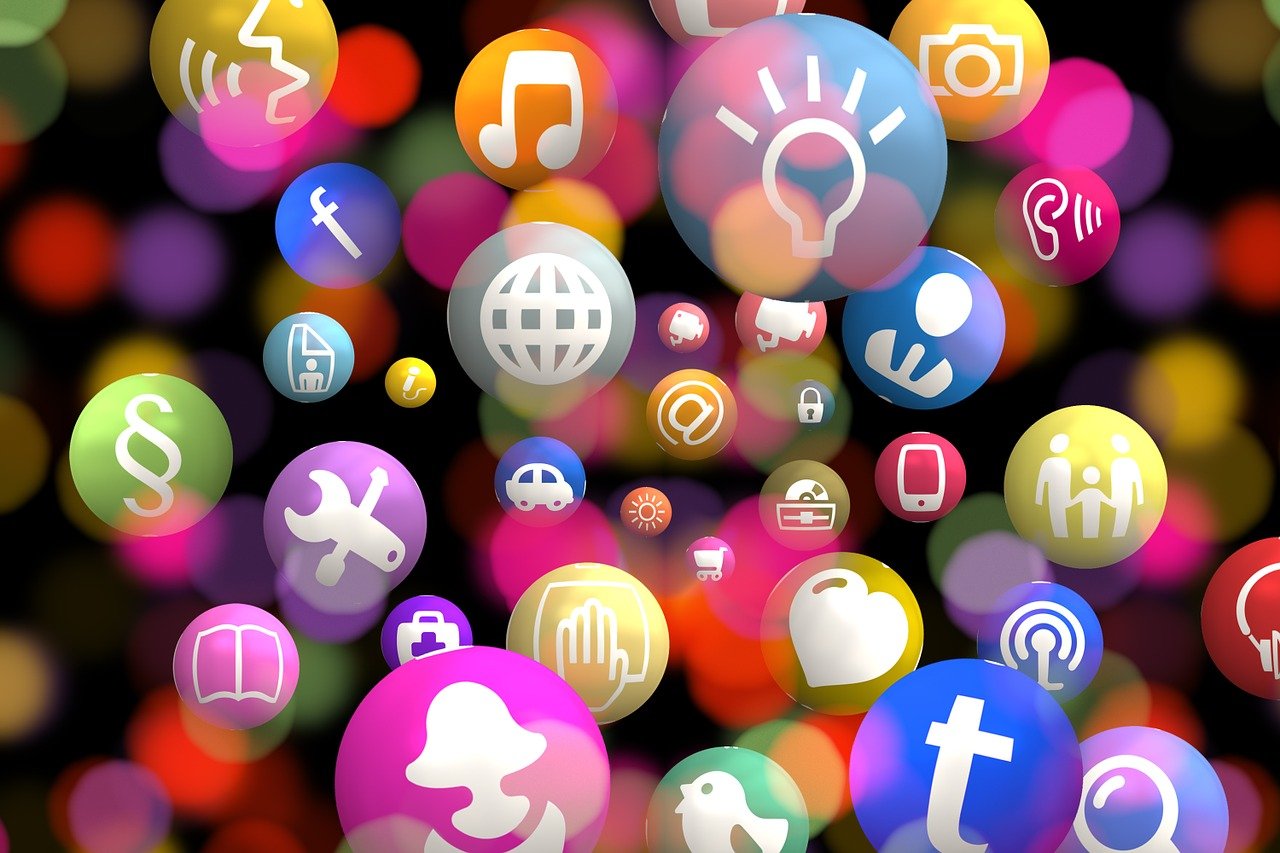
Mobile social media platforms play a crucial role in how music and art are consumed, shared, and created. Apps like Instagram, TikTok, and Twitter allow users to explore creative content in real time, fostering a global community of artists and musicians. These platforms enable artists to promote their work more effectively than traditional methods. Additionally, social media provides an interactive space where users can engage with content through likes, comments, and shares. This interactivity helps artists gauge their audience’s reactions and refine their craft accordingly. Enhanced visibility on these platforms often leads to new opportunities such as collaborations, performance gigs, or exhibitions. Furthermore, algorithms tailored for user interests ensure that the most relevant art and music is displayed prominently. Artists can use these analytics to adjust their strategies, tailoring their content to meet audience preferences. By facilitating communication between creators and fans, such media transform passive viewers into active participants in the cultural landscape. The influence of social media on music and art is undeniable, guiding trends and shaping artistic movements in innovative ways that resonate with diverse demographics.
One notable impact of mobile social media is the emergence of viral trends that dominate the music scene. Platforms like TikTok frequently spark dance challenges or memes that propel specific songs into the spotlight. Artists rapidly create content to align their music with these trends, often leading to unexpected chart-topping success. This phenomenon offers a unique method to engage with audiences, transforming traditional marketing approaches. As audiences respond to these trends, artists analyze feedback and user interactions to better align their next projects with listener preferences. As a result, an entirely new genre of music and art is born from collaborative challenges. Additionally, mobile social media empowers independent musicians and artists, providing a platform for visibility that was once only reserved for mainstream creators. Through regular updates and audience engagement, these creators can build an authentic fanbase. Moreover, the ease of sharing original works leads to more diverse expressions of creativity. Artists worldwide share their journeys and connect over shared experiences, showcasing how technology shapes their creative practices. In turn, these platforms cultivate a vibrant community, representing various styles and forms influenced by global culture.
The Democratization of Art and Music
Social media democratizes art and music by giving everyone the tools to share their creativity. It has lowered the barriers that previously limited access to professional platforms. This shift has allowed undiscovered talent to rise, gaining recognition through genuine interactions rather than formal endorsements. Apps like Instagram allow users to display their artwork, while SoundCloud lets musicians share their sounds without the need for record labels. Such accessibility broadens the array of artistic voices represented in today’s scene, encouraging diverse expressions that reflect contemporary issues and various cultures. Influencers and everyday users promote artists who resonate with them, boosting visibility and opportunities for collaboration. As global audiences can discover new art styles and musical genres, it contributes to a richer cultural fabric. Furthermore, crowd-funding initiatives driven through social media create opportunities for emerging talent by enabling them to finance projects directly through their support networks. This trend reveals a shift in power from traditional gatekeepers to the community, allowing organic grassroots movements to thrive. Overall, social media serves as a powerful stage for underrepresented artists to make their mark and share their work with the world.
Mobile social media platforms not only influence audiences but also transform the way artistic works are created. Many artists are increasingly using these platforms for inspiration, researching trends, and gaining insight into what resonates with their audiences. With the ability to instantly share prototypes and ideas, artists receive immediate feedback, allowing for greater creative experimentation. This iterative process of art-making reflects changing consumer tastes and behaviors. By observing others’ successes and failures, artists gain valuable lessons while refining their own aesthetics. New genres are often born from the cross-pollination of ideas present on social media. Musicians mix genres and styles shared by users around the globe, creating fresh sounds that captivate a young audience. Such collaborative creativity accelerates cultural exchange, resulting in innovative artistic expressions. The accessibility of tools and platforms enables experiments that might have been impractical or costly in more traditional contexts. Overall, as mobile social media continues to evolve, so too do the methods of creation, production, and audience engagement in both music and art, presenting exciting possibilities for the future of creative industries.
The Role of Influencers in the Art and Music Scene
Influencers have become significant players in promoting art and music through social media channels. By leveraging their large followings, they bridge the gap between creators and potential audiences. When influencers showcase artists’ work or recommend tracks, it can lead to exponential growth in visibility for those featured. This dynamic enables rising stars to gain recognition and build careers that might have taken decades to establish without this support. Many influencers enjoy collaborating with artists to design campaigns that showcase their creativity in visually engaging ways. Such partnerships can result in viral content that captures attention and interest. Audiences often trust influencer recommendations over traditional advertising, invigorating the relationship between consumers and creators. Furthermore, influencers often share their personal experiences with art or music, enhancing their authenticity. Such storytelling strengthens emotional connections with their audience, encouraging them to explore a particular artist or genre further. This symbiotic relationship fosters an environment where art and music can thrive, sparking interest across diverse demographics. Ultimately, influencers play a crucial role in reshaping how artistic works reach global communities.
Social media platforms serve as crucial spaces for artistic networking and collaboration. Artists can connect with like-minded individuals, discover potential collaborators, and forge partnerships that lead to transformative projects. The ability to directly communicate through direct messages fosters relationships that can change careers, enabling artists to expand their professional network efficiently. Online platforms often host virtual events that showcase talent across various artistic disciplines, allowing users to attend without geographical limitations. These events encourage interaction and collaboration across diverse communities, inspiring a rich cultural dialogue. More than ever, artists can share their processes in real time through live streams and behind-the-scenes content. This openness not only builds trust among fans, but also demystifies the artistic process. Engaging an audience during the creative journey allows fans to become invested in the end product. Collaborations resulting from these platforms often blend genres and challenge traditional definitions of art, leading to unique outcomes that reflect modern societal values. Through these interactions, mobile social media reinforces the notion that art and music can transcend barriers, creating a global artistic community united by shared experiences and innovations.
Conclusion: The Future of Art and Music in the Mobile Age
The continuous evolution of mobile social media platforms signifies a promising future for the music and art industries. As these platforms adapt and innovate, their influence is likely to grow even further, creating new opportunities for creators. With advancements in technology, artists will find more interactive ways to engage with their audiences. Virtual reality and augmented reality experiences may redefine the way fans experience art and music. The rise of blockchain technology could provide further protection for artists’ rights, enabling them to monetize their work transparently. As audiences become accustomed to engaging with artists regularly, the demand for authentic content will remain high. Artists who can skillfully navigate the complexities of social media and understand audience engagement will flourish. In addition, the focus on diverse representation will continue to shape the landscape of music and art, paving the way for future generations to contribute their voices. The relationship between mobile social media and creative expression is symbiotic, promising an exciting future filled with innovation, connection, and cultural impact that resonates with global communities.
As mobile social media platforms function as significant hubs for artists and musicians, they also underscore the importance of adaptability for success. The fast-paced nature of social media requires creators to continuously engage with evolving trends, which can act as a double-edged sword. Artists must stay relevant by experimenting with new ideas while remaining true to their unique styles. Therefore, balancing innovation with authenticity becomes crucial in an environment where visibility often dictates one’s success. The competitive landscape encourages individuals to cultivate their identity in ways that resonate. Simultaneously, building a loyal fanbase can be a rewarding journey. Mobile social media amplifies diverse voices, generating a platform with diverse expressions of creativity. The cycle of consuming, creating, and sharing fosters an ongoing dialogue, bridging the gap between artists and their audiences. As trends arise and fade, the potential for innovative work remains vast. New tools and technologies will continue to emerge, fostering new ways of creation. The marriage between artistry and technology will shape the cultural landscape, pushing boundaries and inviting audiences to engage in different manners. This evolving nature makes for a dynamic artistic community filled with possibility and growth.