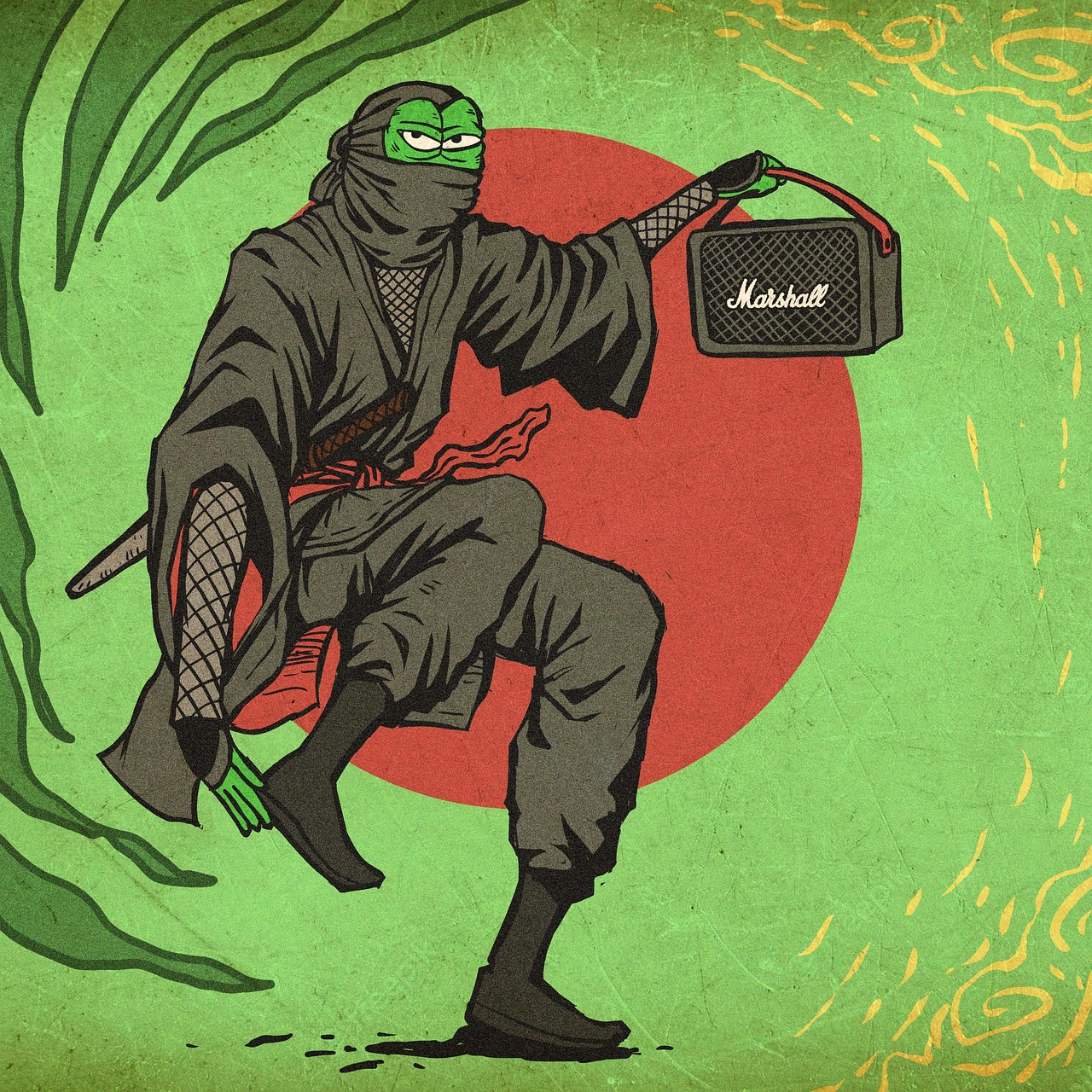

Understanding Cultural Context in Meme Marketing
In today’s digital landscape, memes have emerged as powerful tools for social media branding. They offer brands a unique opportunity to connect with their audience in a relatable way. Understanding cultural context is vital for effective meme marketing, as it allows brands to resonate with the sentiments and preferences of their target audience. Memes can encapsulate complex ideas through humor or irony, thereby providing a concise message that is easily shareable. Brands that successfully leverage memes often see increased engagement and brand loyalty. Additionally, memes evolve quickly, making it crucial for marketers to stay updated on current trends. This agility can help brands remain relevant in conversations, broadening their reach. Marketers should also remember that not every meme will suit every brand. Picking the right format and tone in creating memes is essential. Before launching a meme-based campaign, evaluating the potential audiences’ cultural sensitivities is necessary. Brands must align their meme content with their core values to maintain authenticity and trust. Overall, understanding cultural context significantly enhances the impact of meme marketing on brand awareness and consumer engagement.
A successful meme marketing strategy hinges on timing and relevance. Brands need to monitor popular trends and integrate them into their content strategy effectively. Being too late or too early in meme usage can lead to missed opportunities. Thus, it’s essential for marketers to maintain a pulse on social media platforms where trends are born and nurtured. Moreover, analyzing viral memes can guide brands in creating their unique iterations that match their audience’s taste. It’s also important to strike a balance between humor and professionalism. Memes can lighten serious subjects when done right, but they can also backfire if perceived inappropriately or insensitively. To maximize the impact of memes in social media branding, brands should focus on creating share-worthy content. Engaging visuals combined with humorous text can encourage users to share memes within their networks, increasing organic reach. Furthermore, collaboration with meme creators or influencers can amplify this process. These individuals often have deep insights into cultural subtleties, allowing for more nuanced and effective memes. As brands strive to be seen and heard, the right memes can bridge the gap between product offerings and consumer expectations.
Target Audience Considerations
Another critical aspect of meme marketing is understanding your target audience. Different demographics respond uniquely to specific types of humor and cultural references. For instance, millennials may favor memes that allude to pop culture, while Gen Z often engages more with internet-centric references. Researching these preferences can yield clues about the most effective types of content to use. Moreover, brands must remain flexible in their approaches, adapting memes to fit the evolving tastes and values of their audiences. Engaging directly with followers can also provide insights into what resonates best. Encouraging feedback or conducting polls can help tailor meme content more effectively. Furthermore, cultural nuances can vary widely across regions. Therefore, brands operating in multiple locations must be attentive to these differences to avoid cultural faux pas. Successful meme marketing often demonstrates an understanding of local trends and popular figures. This localized approach makes brands more relatable, fostering a sense of community. Overall, understanding audience preferences and cultural dynamics is critical for creating disruptive yet meaningful memes that will successfully capture attention and enhance engagement.
Analyzing competitor strategies can also provide valuable insights for effective meme marketing. By observing what other brands do well or poorly, marketers can refine their own meme strategies. Engaging with competitor-driven meme content can illuminate gaps in the market or highlight opportunities for unique commentary. Moreover, brands should undertake a comparative analysis of engagement levels among similar campaigns. Understanding these metrics can indicate which formats or themes yield better results. Experimentation is key; brands should not hesitate to test their meme effectiveness using various social media channels to gauge audience reactions. A/B testing can help determine which memes resonate best. However, marketers must remain cautious about copying competitors without adding unique value. Authenticity is paramount, particularly with memes, where originality often captures attention more effectively than familiar territory. Additionally, integrating storytelling techniques can add depth to memes, creating a more substantial brand message. By doing so, brands can elevate their presence from merely responding to cultural trends to being active contributors to those conversations.
Impact of Trends on Meme Creation
Trends heavily shape the sorts of memes that go viral. Social movements, news events, and popular culture often influence meme content. Brands engaging with ongoing trends exhibit cultural relevance and awareness. Understanding these factors is essential for brands aiming to create relatable memes. Marketers should monitor trending topics not just on their primary platforms but also through broader social media channels. Engaging with trending topics opens up conversation pathways that can lead to increased brand awareness. However, brands must tread carefully when commenting on sensitive subjects. Misinterpretation can have lasting negative effects on brand reputation. Therefore, establishing clear guidelines around meme content can help ensure consistent and appropriate messaging aligned with brand values. Utilizing tools like hashtag analyzers can streamline this process, aiding marketers in identifying trending themes. As trends evolve almost daily, agility is necessary. Brands should designate teams to stay ahead of trends, enabling prompt responses. Capitalizing on timely memes can place brands at the forefront of industry conversations, enhancing their visibility. Effective meme marketing combines creativity, cultural understanding, and strategic timing—all critical elements in establishing a successful presence for brands in the digital landscape.
While memes can be a fantastic tool for branding, the need for creativity cannot be overlooked. The best memes often stem from fresh, original ideas that diverge from existing content. Brands ought to encourage creative thinking within their teams, fostering an environment that welcomes out-of-the-box ideas. Collaboration can amplify creativity, allowing team members to share different perspectives and skills in meme production. Involving diverse voices can further enrich the meme-making process, leading to content that resonates across divisions. Simple and straightforward designs often perform well, but subtle complexity can add layers, inviting audience exploration. The tone is also a pivotal component; humor does not always equate to understanding. Misaligned humor can confuse audiences and damage a brand’s image. Therefore, before taking a creative leap, thorough testing with a focus group can enhance the effectiveness of memes. Investing time in brainstorming sessions and concept discussions can yield content that feels genuine and pertinent. Ultimately, striking the right balance between creativity and marketability forms the backbone of memorable and engaging meme marketing efforts.
Measuring Success and Impact
The success of meme marketing depends significantly on its measurement and analysis. Numerous metrics can indicate the effectiveness of a meme campaign, including engagement rates, shares, and overall reach. Social media insights often provide brands with valuable data regarding how well memes are performing. Evaluating this data helps marketers understand what works and where improvements may be necessary. Leveraging tools such as social listening can further aid this process by tracking audience sentiment and discussions surrounding memes. Positive engagement reflects the success of a campaign, while negative feedback can help identify missteps. Implementing a feedback loop where results inform future strategies can yield impressive improvements in subsequent campaigns. Additionally, integrating qualitative data, such as customer testimonials, can provide anecdotal evidence of a meme’s impact. By actively soliciting audience responses, brands can gauge emotional connections formed through memes. Evaluating these metrics allows brands to refine their approaches, leading to more impactful meme marketing in the future. In the end, understanding how memes affect audience perception strengthens brand-consumer relationships, ultimately driving loyalty and engagement in a competitive market.
In summary, embracing cultural context in meme marketing is key to building a successful social media brand. Brands need to blend relevance, creativity, and audience insights to generate impactful memes. With the dynamic nature of social media, staying attuned to cultural trends and audience preferences sets brands apart. By leveraging the power of memes strategically, brands can effectively foster engagement and awareness. Through analysis of trends, thorough audience understanding, and creative execution, brands can carve a unique presence in social media realms. Moreover, successful meme marketing humanizes brands, making them relatable and approachable. This relatability builds trust, enhancing brand loyalty, and often leading to increased sales. Additionally, brands that take calculated risks with their meme strategies may discover new audience segments. Therefore, the relevance and cultural connection of memes should not be underestimated in their branding efforts. As social media continues to evolve, the effective use of memes in marketing will remain a relevant strategy for engaging audiences. Those who adapt to cultural shifts will lead the way in crafting unforgettable brand narratives that resonate widely.