
The Rise of Augmented Reality Filters Among Social Media Influencers
In recent years, augmented reality (AR) filters have surged in popularity among social media influencers, transforming how they engage with their audiences. These digital tools offer a unique way to create immersive experiences, capturing attention through visually captivating effects that enhance images and videos. Users can interact with these filters, which range from subtle enhancements to outrageous transformations. Particularly on platforms like Instagram and Snapchat, AR filters add an engaging layer to storytelling, allowing influencers to create content that resonates. As consumers increasingly gravitate towards authenticity, influencers who utilize these filters can showcase their creativity while also remaining relatable. The playful and interactive nature of AR filters contributes to their promise of virality, encouraging audiences to share content with their social circles. With emerging technologies fueling innovation, influencer marketing strategies must adapt to keep pace and stand out in a crowded landscape. Overall, AR filters are not just a tool; they are redefining how influencers interact with their communities, attracting new followers while strengthening relationships with existing ones.
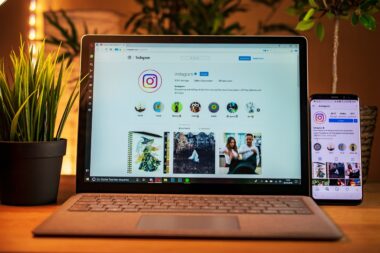
The development of AR filters is not only about aesthetic appeal; it signifies a shift toward hyper-personalization. Influencers leverage these tools to align with their audience’s preferences, creating tailored experiences. By crafting personalized content using AR, influencers can increase engagement rates, provoking responses that amplify their brand message. Moreover, the ease of access to filter creation tools has democratized this technology, enabling virtually anyone with a smartphone to join the trend. Platforms like Instagram provide user-friendly interfaces to design, deploy, and test new filters, meaning influencers can frequently update their content to match trending styles. This ease encourages diversity in content, allowing influencers from all niches to explore and experiment with various aesthetics and themes. Furthermore, augmented reality promotes a playful interaction with followers as users want to try filters themselves, creating a shared experience that forms community bonds. This can lead to brand partnerships, where companies collaborate with influencers to promote unique filters that highlight products. As influencers shift toward community-driven content, AR filters will likely be a critical component of digital marketing in the future.
The Impact on Brand Collaborations
As augmented reality filters gain traction, the dynamics of brand collaborations are evolving. Influencers can now partner with brands to create unique AR experiences that not only promote products but also engage users in a captivating way. Brands recognize the potential of these filters, as they facilitate memorable interactions between products and consumers. Custom-branded filters can enhance consumer engagement, driving traffic to campaigns by offering something interactive and shareable. This trend showcases the importance of innovative marketing approaches, pushing brands to think outside traditional advertising frameworks. Collaborative filters can transform product launches into events that generate buzz online, leading to tangible increases in sales. For instance, beauty brands often collaborate with influencers to create filters that allow users to virtually try on makeup products. This fosters a sense of trust and authenticity, as users can see how products look on themselves before making purchase decisions. The synergy between influencers and brands through AR filters enhances brand loyalty and strengthens online communities, fostering long-term relationships built on trust and authenticity.
This shift in advertising paradigms reflects broader changes in consumer behavior, driven by an appetite for interactive and engaging experiences. Influencers are becoming creative directors, curating the type of content that not only showcases their individual styles but also aligns with their followers’ tastes. Augmented reality filters enhance this creative process, giving influencers powerful storytelling tools that can evoke emotions and generate responses. Consumers today are drawn to content that provides value, whether in entertainment or educational forms. Thus, AR filters that tell compelling stories about a product or service can significantly boost user engagement. Importantly, AR content is inherently shareable, extending its reach beyond the initial audience through social sharing. When followers enjoy an AR experience, they are likely to share it, amplifying its presence across various networks. Thus, employing AR filters can boost both organic reach and brand awareness for an influencer’s partnerships. The ability of an influencer to create a viral moment using AR technology is a testament to their creative prowess and understanding of their audience. This can elevate their status in the crowded influencer market.
Cultural Relevance and Trends
The embrace of AR filters among influencers also highlights changing cultural landscapes and societal trends. As the lines between reality and digital augmentations blur, consumers are becoming more receptive to digital expressions of identity. Influencers use AR filters to reflect contemporary cultural phenomena, adapting them to suit relevant narratives and engage followers meaningfully. These filters often embody principles of inclusivity and diversity, allowing influencers from various backgrounds to create content that resonates with a wider audience. The viral nature of popular filters encourages users to participate actively, often leading to challenges that can gain traction on social media. Influencers strategically incorporate trending filters into their content to stay relevant, maintain visibility, and attract new followers. The culturally sensitive design of filters ensures that they do not alienate users, fostering a community of acceptance and accountability among influencers. As trends continue to evolve, the capacity to create timely content using AR filters will be key in maintaining influence and authority within social media spheres.
Moreover, the fascination with AR filters represents a blend of technology, art, and user experience design. As influencer platforms mature, we can expect more sophisticated designs and features that provide richer interactive experiences. The technological advancements in AR tools drive creativity, allowing influencers to develop filters that extend beyond mere visual transformations. Future possibilities may see filters integrating with e-commerce solutions, enabling smoother shopping experiences directly through social media interfaces. Imagine a scenario wherein followers can interact with a filter that not only displays an outfit but also provides an embedded link to purchase the items displayed. The synthesis of AR and e-commerce is poised to revolutionize influencer marketing, closing the loop between inspiration and acquisition. Influencers will become more than just content creators; they will transform into brand ambassadors equipped with tools that enhance the shopping experience. This evolving landscape indicates that AR filters will become an essential part of future marketing strategies, further embedding influencers in the e-commerce space.
Conclusion: The Future of Augmented Reality in Influencer Marketing
To conclude, the rise of augmented reality filters signifies a promising future for social media influencers. These innovative tools facilitate rich engagement and provide platforms for creativity that resonate with audiences. Influencers utilizing AR are quickly adapting to the increasingly digitized consumer landscape, finding unique ways to present engaging content while driving their follower’s interests. As brands recognize the power of collaboration with influencers, there will be further opportunities for immersive experiences that reflect both brand personalities and influencer styles. In the coming years, the synergy between AR technology and influencer marketing will continue to flourish, determining how brands and influencers navigate an ever-changing digital ecosystem. Moreover, the demand for more personalized and interactive content will push the boundaries of what AR filters can achieve. We can only project that the cultural and commercial implications are profound, marking a significant shift in the influencer marketing paradigm. Those who embrace and innovate within this space will remain ahead, using AR filters as a tool for deeper connections with their communities.
In summary, augmented reality filters are no longer just a passing trend; rather, they are essential components of social media strategies for influencers and brands alike. As the landscape continues to evolve, staying atop innovations in AR technology will be crucial for influencer success. With new functionalities constantly emerging, the capacity to engage audiences will expand, helping creators craft unforgettable digital experiences. Looking ahead, the role of AR filters in influencer marketing is set to increase, illustrating the importance of adaptability in this fast-paced realm. As technologies progress and societal norms shift, influencers must navigate these waters with agility, ensuring their content remains relevant and impactful. It will be intriguing to observe how influencer marketing evolves alongside advancements in AR in the future. By combining creativity with emerging tech, influencers can truly enhance their storytelling capabilities, making their content not only visually stunning but also meaningful. Businesses and influencers that seize these opportunities will find themselves at the forefront of a transformative wave in digital engagement, shaping the future of how brands connect with consumers in this digital age.