
The Role of Memes in Twitter Hashtag Campaigns
In the vibrant space of Twitter, hashtags serve as a pivotal tool for drawing attention to campaigns. They help consolidate conversations within diverse communities. When executed effectively, these campaigns can help brands amplify their visibility, engage with users, and foster community interaction. One engaging method to enhance these hashtag campaigns is by incorporating memes and GIFs. Memes add humor and relatability, reflecting cultural moments and social experiences. Twitter, being a fast-paced platform, is ideal for memes, as content that is easily digestible often spreads rapidly. Using memes not only catches the eye but also encourages shares and retweets by appealing to humor and creativity. Users then use memes to express emotions or concepts with minimal text, allowing for quick engagement. This leads to increased discussion around a hashtag, giving the campaign broader reach. Therefore, adopting this strategy aligns with increasing engagement, forming connections across different demographics. As this becomes more evident, brands increasingly seek ways to integrate GIFs and memes to heighten interaction and foster discussions around their campaigns.
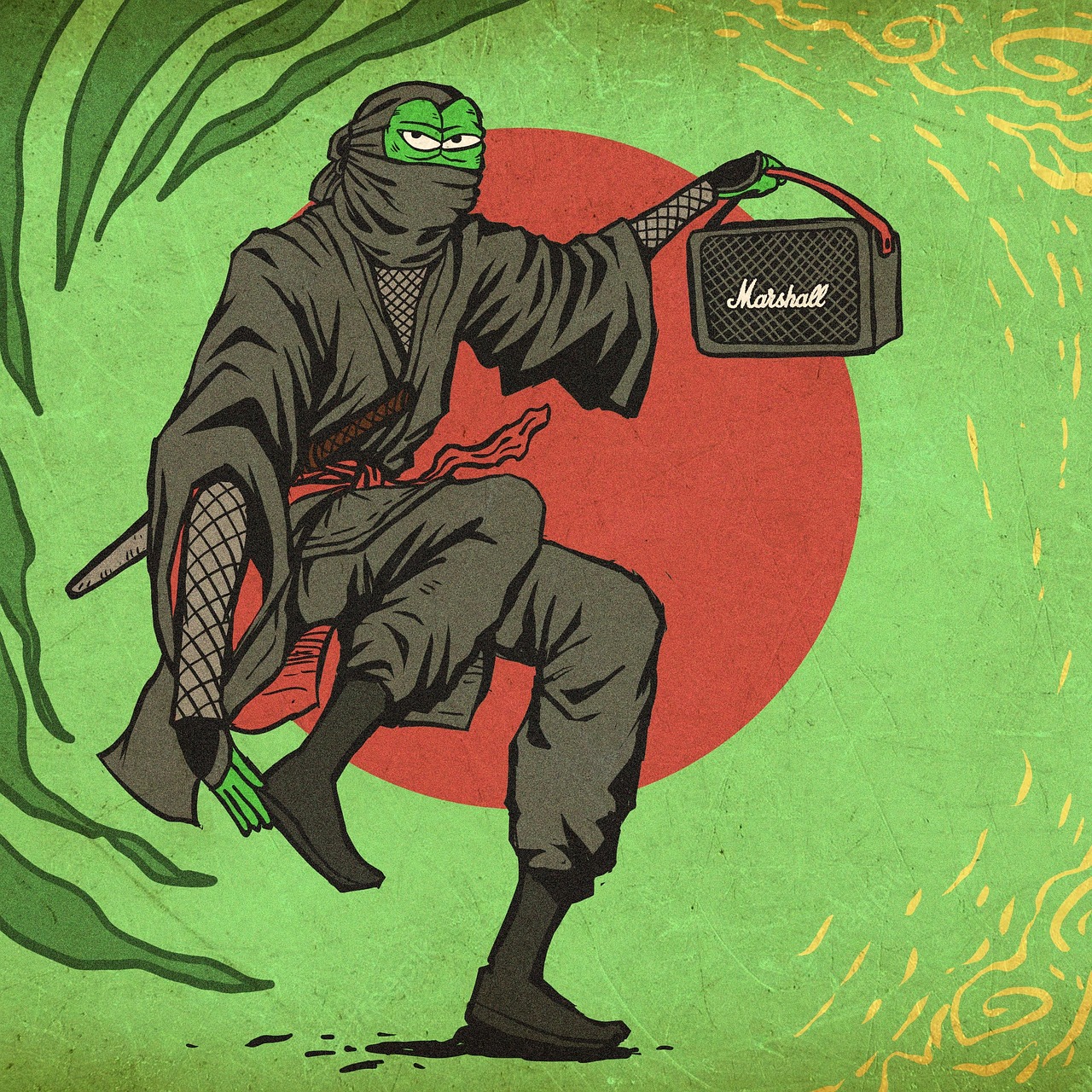
Among the most successful campaigns employing memes, several stand out due to their inventive approaches. One example is the use of the “Distracted Boyfriend” meme, which brilliantly captures sentiments in unexpected ways. By adapting well-known memes, brands can resonate with audiences by sharing relatable content that reflects real-life scenarios. Utilizing popular culture references engages users more profoundly and encourages them to contribute their versions, further expanding the campaign’s reach. Additionally, combining humor with clever messaging solidifies a brand’s identity while prompting discussions related to the campaign’s central theme. Memes are particularly potent when addressing trending topics or events, as they can distill complex ideas into simple, shareable visuals. Furthermore, authenticity matters; when brands embrace the spontaneity of meme culture authentically, they build trust with their audience. Successful integration of memes can drive user-generated content, encouraging followers to participate creatively in the conversation. This reciprocation enhances community bonds and gives a human touch to the brands involved. Ultimately, integrating memes creates a dynamic interaction space that transcends traditional advertising.
Visual Storytelling through GIFs
GIFs serve as another powerful tool in the arsenal of Twitter marketing, effectively combining visual storytelling with emotional impact. They allow brands to convey intricate ideas quickly, often vivifying messages that text alone cannot communicate. For example, a well-placed GIF can instantaneously elicit a reaction, whether it’s laughter, nostalgia, or excitement. This immediacy is particularly crucial in the fast-moving ecosystem of Twitter, where capturing attention is paramount. The art of selecting the right GIFs that align with the brand’s message is essential. It requires a keen understanding of audience sentiment and current trends. Brands that successfully utilize GIFs often see a notable uplift in engagement metrics, as followers are likely to share content that resonates with them deeply. Furthermore, GIFs can encapsulate highlights from events or moments within a campaign, allowing ongoing conversations in fun and accessible formats. They promote sharing and reinterpretation, enabling discussions that extend beyond the initial viewer. In short, when brands harness GIFs’ charm, it adds depth to their Twitter hashtags, enhancing the overall impact of their campaigns.
Audience engagement on Twitter thrives on interactivity, and incorporating memes and GIFs introduces an element of playfulness. Tweets with emotional resonance crafted through humor often lead to higher engagement rates, as users delight in sharing humorous content. Importantly, brands must strike a balance between crafted messages and adding spontaneity into their communication. It’s vital to resonate with audience moods and form a genuine connection, ensuring that content remains relatable and timely. Engaging directly with users by responding with well-placed GIFs or memes can cultivate community spirit, making followers feel appreciated. As the digital landscape grows, traditional advertising does not elicit the same responses as authentic interactions. This interplay encourages the audience to see brands not merely as sellers but as contributors to a larger conversation. Additionally, the viral nature of GIFs and memes helps campaigns reach audiences beyond the initial followers. This organic spread contributes to the brand narrative while attracting new followers, creating an engaging loop of interaction. Adapting memes and GIFs not only boosts Twitter campaigns but can redefine how a brand interacts with its audience, leading to sustained engagement.
Case Studies of Successful Campaigns
Several campaigns have successfully utilized memes and GIFs to enhance their visibility and, consequently, their engagement rates. For instance, brands like Wendy’s have gained notoriety for their clever memes and savagely funny tweets that resonate with their audience. Their often humorous take on current trends showcases how to wield memes adeptly to build rapport. Another example is the campaign initiated by Netflix around popular shows. By generating GIFs related to key scenes, they encourage sharing among fans, sparking conversations and driving traffic. Users frequently engage with such content, further propagating the associated hashtags. These campaigns utilize memes and GIFs to encourage audience participation better, turning consumers into brand advocates. Treating social media as a two-way channel creates an authentic dynamic, where users feel their voices matter. Furthermore, the playful nature of GIFs and memes enhances the community’s emotional connection to the brand, thus increasing loyalty. Brands must analyze successful strategies that use humorous and relatable content to create campaigns tailored to their audiences’ preferences.
Memes and GIFs offer unique opportunities for brands to explore trending topics creatively and engagingly. As Twitter discussions often revolve around real-time events and news, brands strategically inserting themselves into these conversations can enhance their visibility significantly. When a meme captures a current situation or viral moment, brands can seize that cultural tide to relate their messaging effectively. This cleverness not only garners attention but demonstrates relevance to the audience in a dynamic way. Brands that participate in trending conversations not only showcase insight into follower sentiments but become perceived as in-touch and responsive. In essence, embracing meme culture can position brands as culturally aware entities, thereby enhancing engagement. However, authenticity remains crucial; brands must align their messaging genuinely with their identity while leveraging trends. The line between opportunistic engagement and inventive marketing can be thin, and brands must tread carefully to avoid backlash. Furthermore, utilizing data analytics to monitor audience responses provides invaluable insights into effective engagement strategies using memes and GIFs. Social listening tools can assist brands in understanding which content resonates best, driving future content creation.
The Future of Engagement Strategies
As social media platforms continue to evolve, the future of engagement strategies will increasingly include innovative uses of memes and GIFs. The continuous growth of visual content consumption indicates a preference for quick, meaningful interactions over lengthy texts. Brands must adapt their strategies according to these user preferences, focusing on creativity and relatability. Future campaigns might involve more user-generated content, where audiences contribute memes or GIFs to the conversation. This fosters community while allowing brands to promote authentic, consumer-inspired narratives. Moving forward, brands that successfully embrace this two-way communication model will likely outperform competitors. Exploring collaborations with meme creators and influencers may also broaden their reach. Incorporating visual storytelling into engaging formats, such as polls or quizzes featuring memes, can captivate followers proactively. Moreover, streaming promotions and event highlights interactively shared through GIFs can drive sustained discussions. Ultimately, the integration of memes and GIFs within Twitter hashtag campaigns stands poised to redefine how brands connect with their audiences. By emphasizing creativity, humor, and relevance, brands will ensure their campaigns resonate authentically in this dynamic digital landscape.
The use of memes and GIFs on Twitter not only enhances audience engagement but fosters brand loyalty through shared experiences and entertainment. As the landscape continues to evolve, an emphasis on creativity will dictate successful strategies for brands participating in ongoing conversations. Additionally, the element of humor through memes allows brands to downplay marketing pressures while engaging followers more meaningfully. As brands continue navigating this vibrant community, adaptability and understanding audience sentiments will be crucial. Ultimately, Twitter remains a unique space where humor, information-sharing, and culture collide, and those who embrace this truth will maximize their engagement.